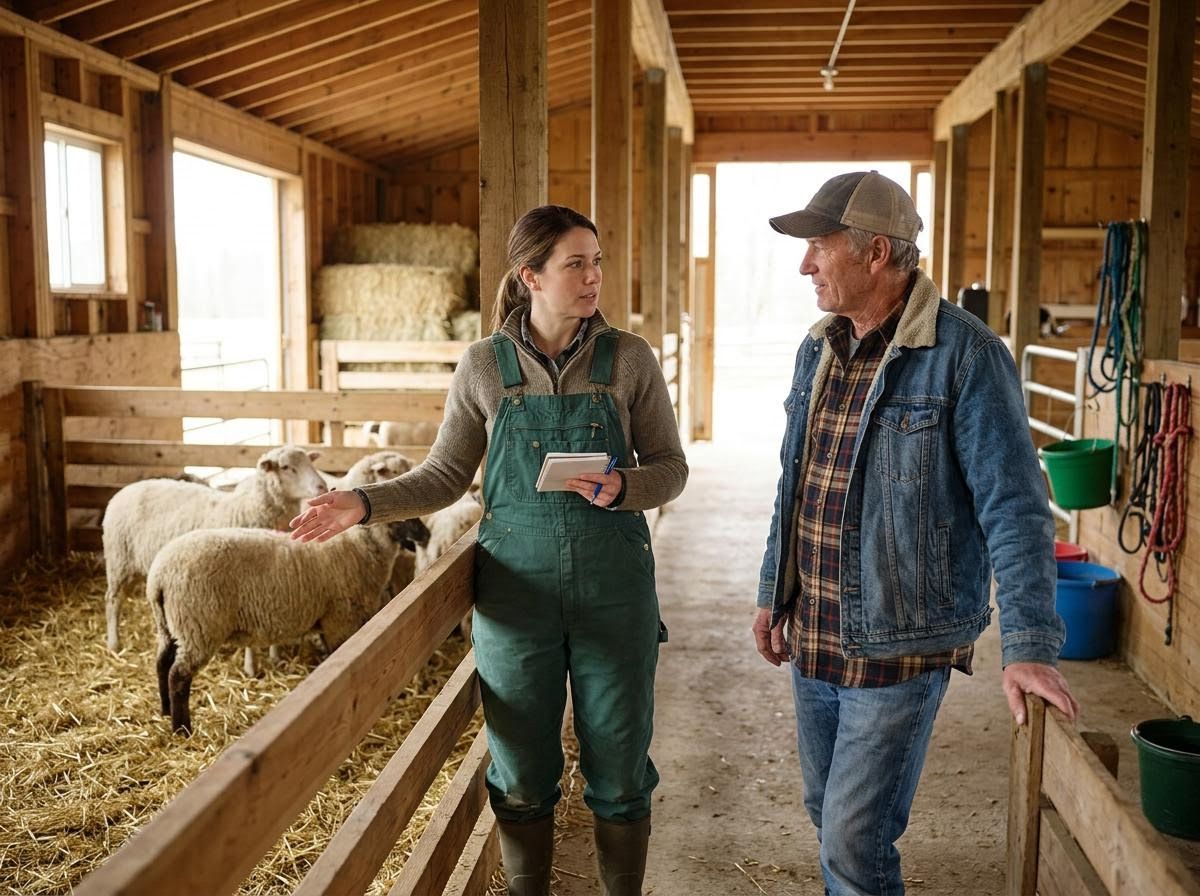
Effective parasite control is a cornerstone of maintaining the health and productivity of your livestock, protecting your animals from a range of debilitating issues. At Carter Veterinary Services, we understand that a proactive approach to parasite management is crucial for the well-being of individual animals and the herd as a whole. This understanding helps ensure that your livestock thrive, contributing to their overall vitality and your operational success.
The Threat of Internal Parasites
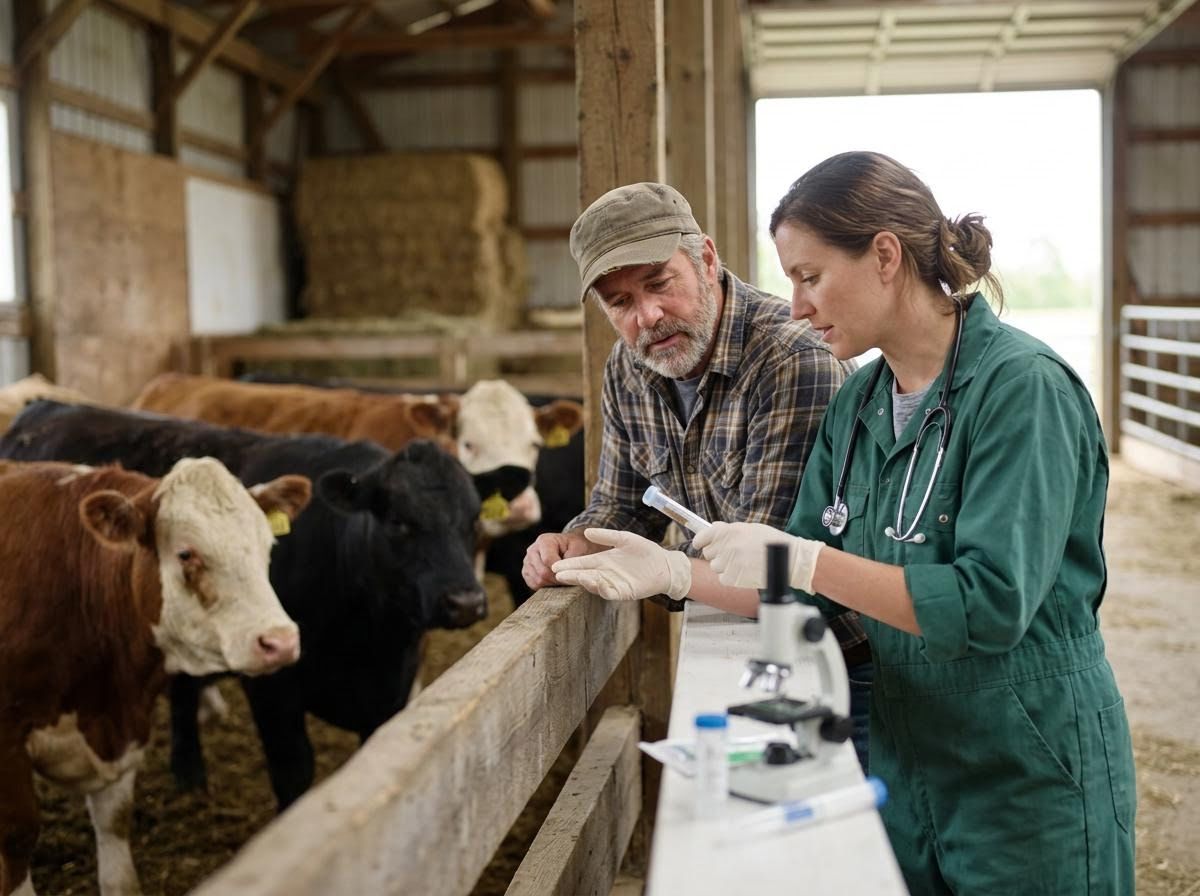
Internal parasites, often microscopic, can silently wreak havoc within your livestock, affecting their digestive system, nutrient absorption, and overall vitality. Common culprits include various species of worms (gastrointestinal nematodes, lungworms, tapeworms) and protozoa. These parasites can lead to weight loss, reduced feed efficiency, anemia, diarrhea, and decreased immunity, making animals more susceptible to other diseases. Effective control strategies often involve regular fecal examinations to identify specific parasites and determine appropriate deworming protocols. A well-planned approach, guided by a large animal vet, considers factors like animal age, grazing practices, and regional parasite resistance patterns to optimize treatment and prevention.
Battling External Parasites
External parasites, such as ticks, fleas, lice, and mites, pose another significant challenge to livestock health. These pests not only cause intense discomfort, leading to scratching, rubbing, and self-inflicted wounds, but they can also transmit a variety of diseases. Ticks, for example, are notorious vectors for conditions like anaplasmosis and Lyme disease, while biting flies can spread infectious anemia. Control methods range from topical treatments and pour-ons to dips and environmental management, including pasture rotation. Integrating these methods into a comprehensive program, often recommended by a horse veterinarian, is key to minimizing infestation and protecting your animals from the associated health risks.
Integrated Parasite Management Strategies
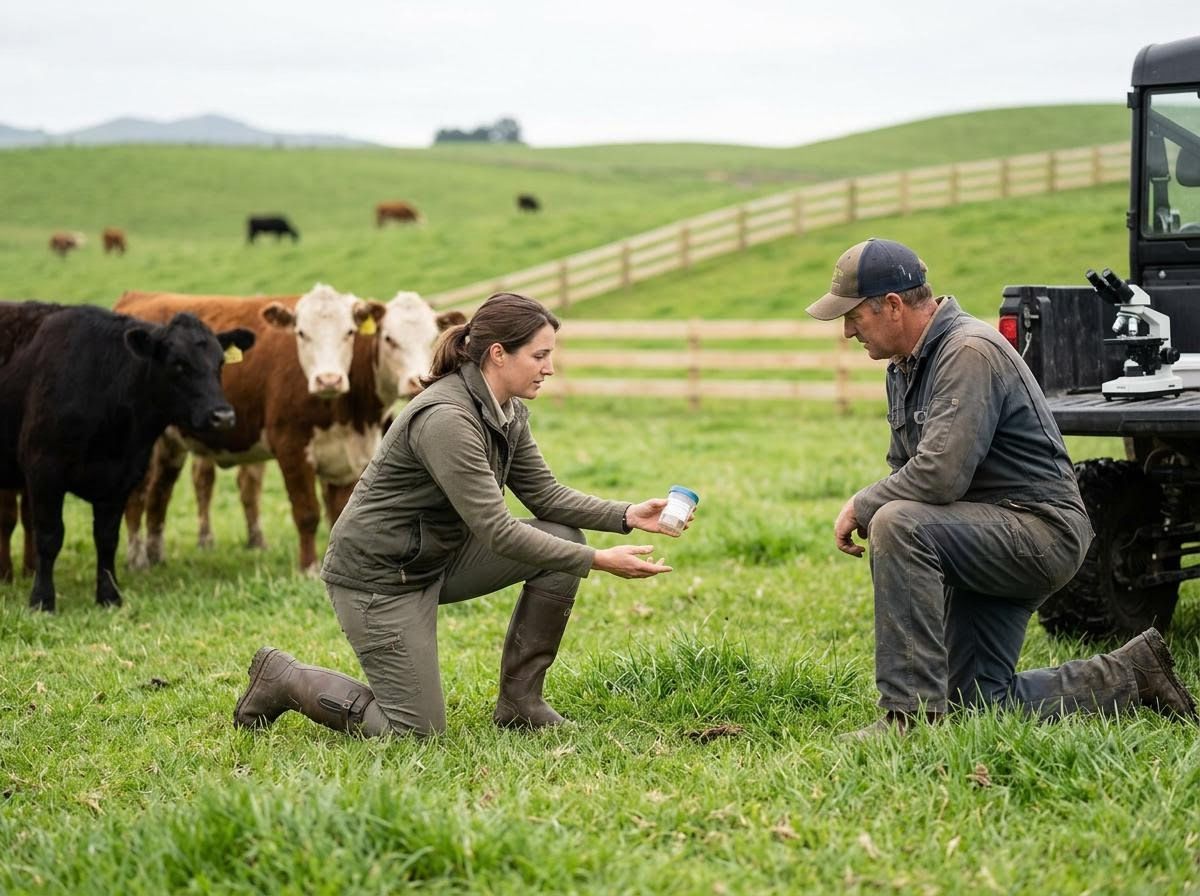
A holistic and sustainable approach to parasite control goes beyond just treating infestations; it focuses on preventing them and reducing the reliance on chemical treatments alone. Integrated Parasite Management (IPM) incorporates several key elements: strategic deworming based on diagnostic testing, pasture management techniques to reduce parasite load, nutritional support to boost animal immunity, and careful monitoring of your herd. For instance, understanding parasite life cycles and rotating pastures can break these cycles, naturally reducing exposure. For those with horses, proper equine disease prevention is vital, which includes understanding their specific parasite challenges and implementing tailored equine veterinary services. This comprehensive strategy, often refined through consultation, helps manage resistance to anthelmintics and ensures long-term effectiveness.
The Role of Preventative Health and Veterinary Care
Preventative health care is paramount in livestock management, and effective parasite control is a cornerstone of this philosophy. Regular veterinary check-ups allow for early detection of potential parasite issues and the development of customized prevention plans. This includes not only internal and external parasite management but also aspects like ensuring good nutrition and considering specific needs such as equine dental care, which indirectly supports overall health and resilience. Working closely with a dedicated large animal vet ensures that your parasite control program is effective, humane, and tailored to the unique needs of your farm and animals, promoting their health and productivity year-round.
Maintaining robust parasite control is essential for the health and productivity of your livestock, requiring a thoughtful and consistent approach. By understanding the common threats and implementing integrated management strategies, you can protect your animals from debilitating diseases and discomfort. Carter Veterinary Services is committed to partnering with you to develop and refine effective parasite control protocols tailored to your specific needs. For more information on optimizing your livestock's health and wellness, please reach out to our team of experts.