
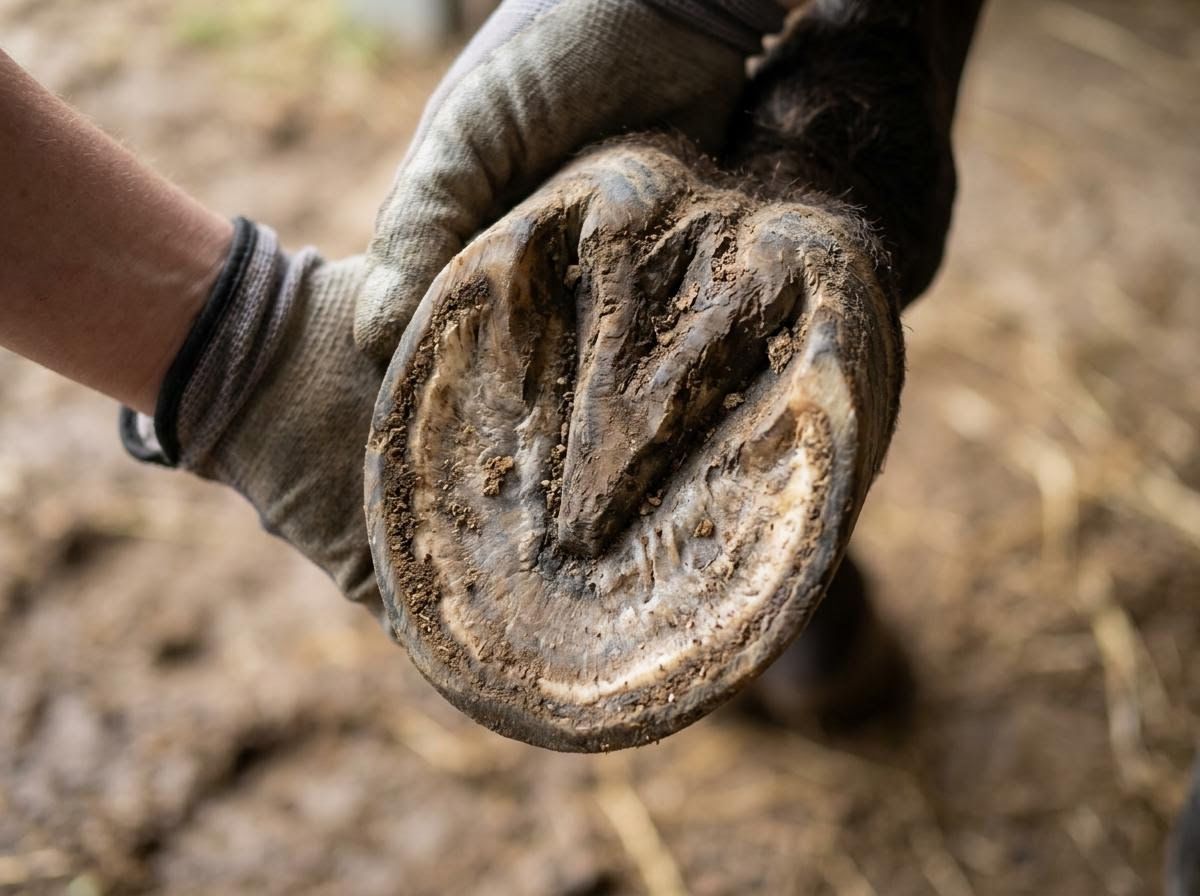
The health of a horse's hooves is fundamental to their overall well-being and performance, acting as the foundation for their entire body. Neglecting hoof care can lead to significant discomfort, lameness, and even serious health complications. At Carter Veterinary Services, we understand the critical role sound hooves play in a horse's life and are dedicated to helping owners maintain optimal hoof health through informed care and proactive management.
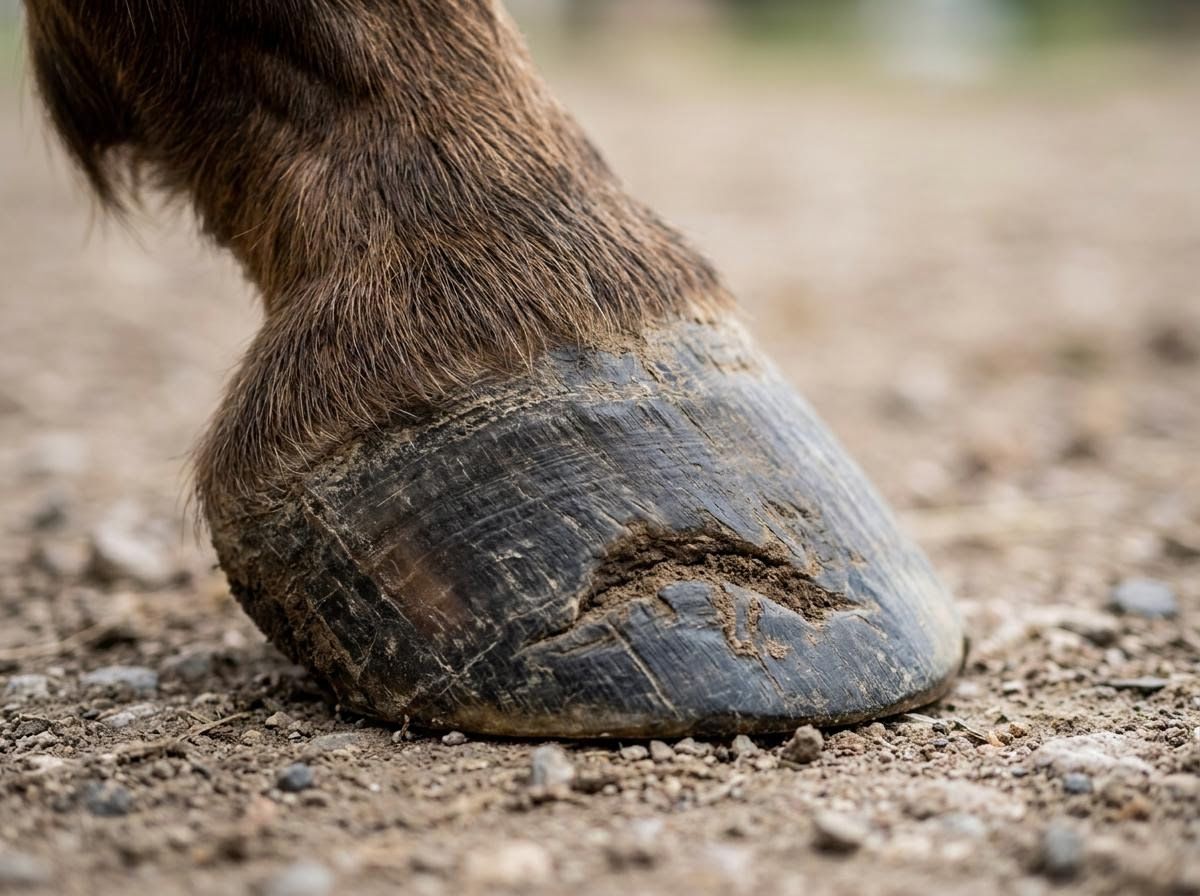
The Foundation: Understanding Hoof Anatomy and Function
A horse's hoof is a marvel of natural engineering, designed to bear immense weight, absorb shock, and provide traction. It comprises several crucial structures, including the hoof wall, sole, frog, and internal structures like the coffin bone, navicular bone, and various soft tissues. Each component works synergistically to support the horse's weight and allow for movement. When any part of this intricate system is compromised, it can lead to pain and impaired mobility. Regular inspections and proper hoof care are essential to identify potential issues early and prevent minor problems from escalating into chronic conditions.
Common Hoof Ailments and Their Impact
Horses are susceptible to a variety of hoof problems, often stemming from environmental factors, genetics, or inadequate care. Laminitis, for example, is a serious and painful condition involving inflammation of the sensitive laminae inside the hoof, which can lead to coffin bone rotation or sinking. Thrush, a bacterial infection, commonly affects the frog and is often associated with moist, unsanitary conditions. Hoof abscesses are another frequent issue, caused by bacteria entering the hoof through cracks or punctures, resulting in localized pus accumulation and severe lameness. Recognizing the early signs of these conditions, such as lameness, hoof heat, or changes in gait, is crucial for timely intervention by a horse veterinarian.
Proactive Hoof Care and Prevention Strategies
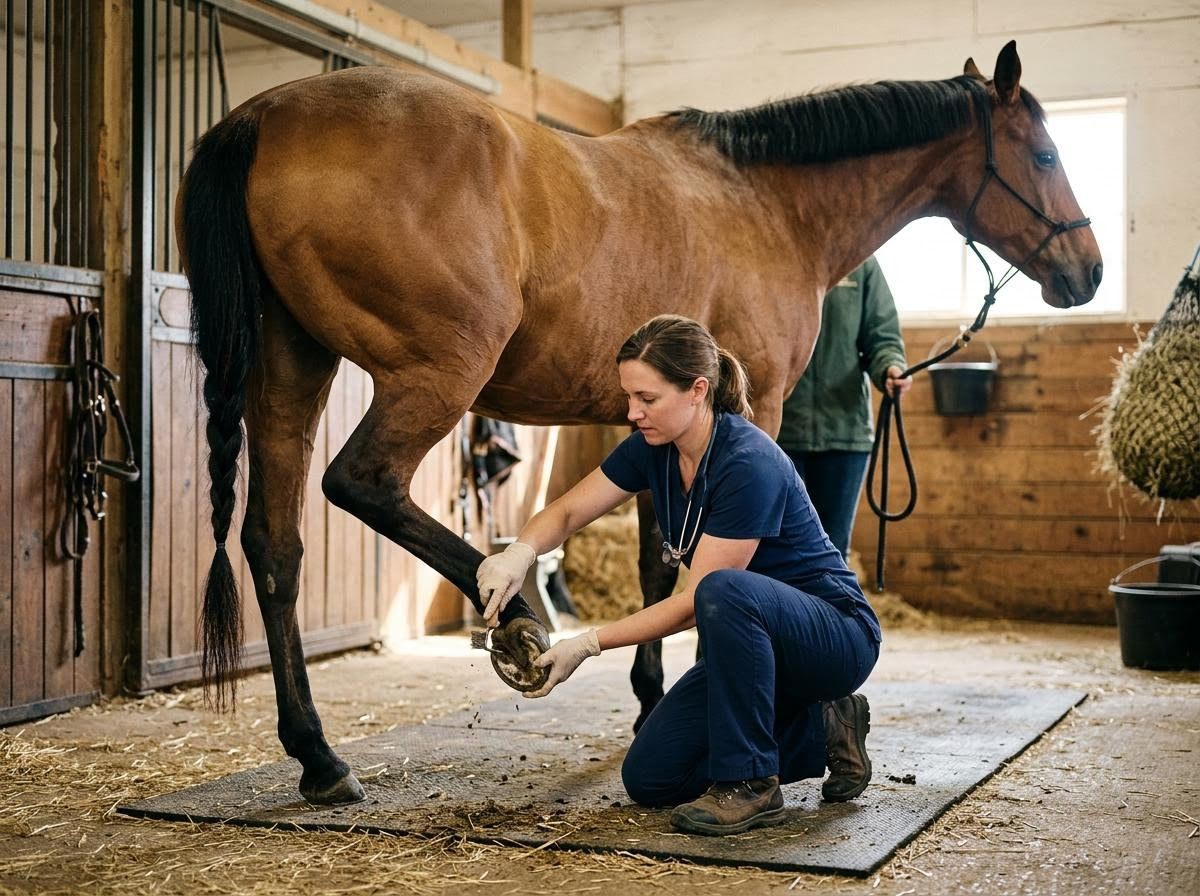
Preventing hoof problems is far more effective than treating them. A comprehensive approach involves several key practices. Regular farrier care, typically every 4-8 weeks, ensures proper trimming and balance, essential for distributing weight evenly and preventing undue stress on hoof structures. Maintaining a clean and dry environment helps deter bacterial and fungal infections. A balanced diet, rich in essential vitamins and minerals like biotin and zinc, supports strong hoof growth. Furthermore, incorporating regular exercise appropriate for your horse's condition promotes healthy circulation within the hooves. These practices are integral to effective equine disease prevention.
Partnering for Optimal Hoof Health
Maintaining healthy hooves requires a vigilant eye and a commitment to consistent care. When concerns arise, or for routine preventative assessments, consulting with a trusted large animal vet is paramount. Our team provides comprehensive equine veterinary services, from routine check-ups to advanced diagnostics and treatment plans for complex hoof conditions. We believe in a holistic approach to your horse's health, understanding that hoof care is just one piece of the puzzle, alongside considerations like equine dental care and overall wellness.
Ensuring your horse's hooves are healthy and sound is a continuous process that safeguards their comfort and longevity. By understanding the anatomy, recognizing common issues, and implementing proactive care strategies, you can significantly contribute to their well-being. For more detailed guidance on maintaining optimal hoof health and to explore our full range of equine veterinary services, please contact with Carter Veterinary Services to schedule a consultation with our experienced team.