
Maintaining the health and well-being of your horse is a paramount responsibility, and often, issues that seem minor can have significant impacts. One critical aspect of equine health that sometimes goes overlooked is dental care. At Carter Veterinary Services, we understand that understanding the subtle signs of dental problems can prevent discomfort and more serious conditions for your equine companion. Recognizing these indicators early is key to ensuring your horse leads a comfortable and productive life.
Behavioral Clues at Mealtime
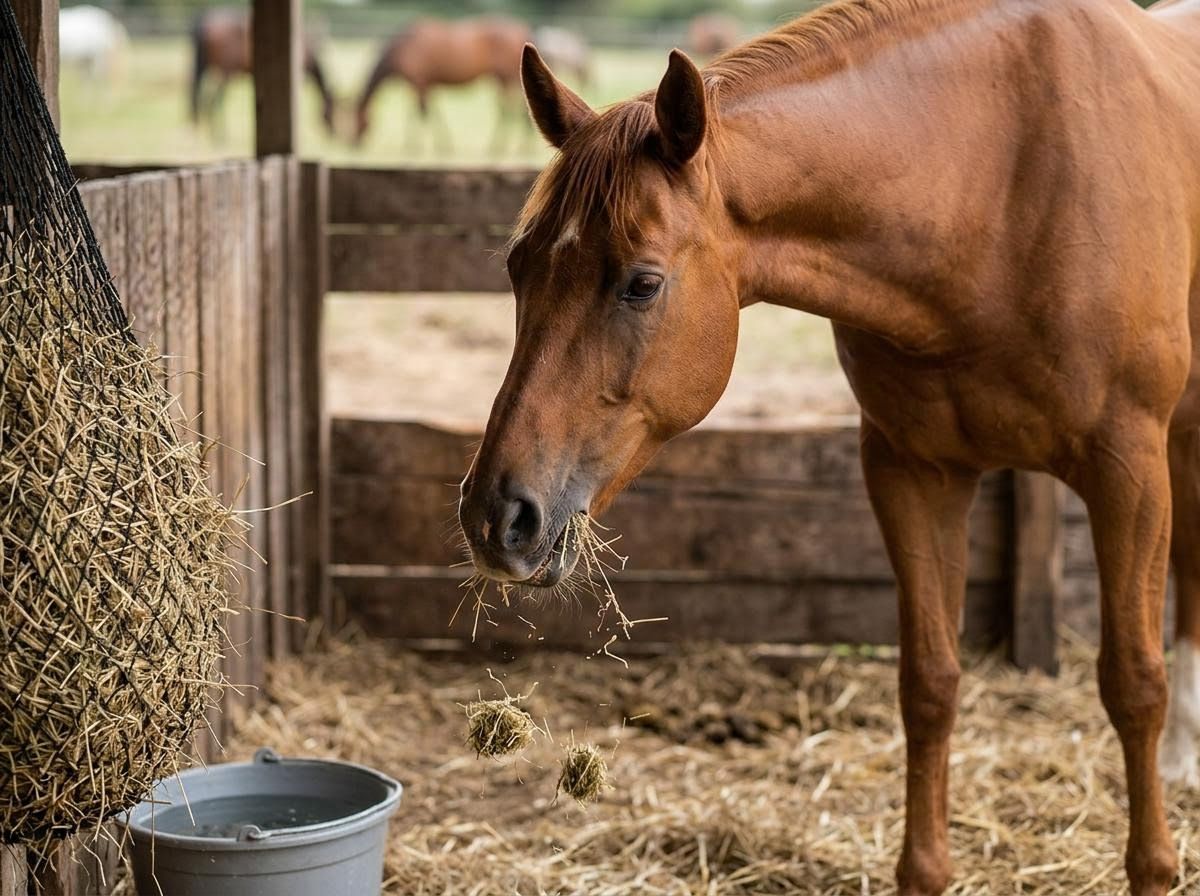
One of the most common places to observe signs of dental issues is during feeding. If your horse is experiencing pain in their mouth, they might show reluctance to eat or chew slowly. You might notice them dropping feed (also known as quidding), chewing on one side of their mouth more than the other, or tilting their head while eating. Additionally, a horse with dental pain might dunk their hay in water to soften it, or selectively eat softer feeds while avoiding harder grains or forage. These behaviors are often direct indicators that chewing is uncomfortable.
Performance and Temperament Changes
Dental pain isn't just about eating; it can significantly affect your horse's overall demeanor and performance. If your horse suddenly develops resistance under saddle, head-tossing, or becomes difficult to bridle, a dental examination should be a priority. Bit-related issues or discomfort from sharp enamel points can lead to evasive behaviors and a general unwillingness to cooperate. A normally calm horse might become irritable or withdrawn if they are experiencing chronic pain. These performance and behavioral changes often signal underlying discomfort that requires attention from an experienced horse veterinarian.
Physical Indicators and Oral Health
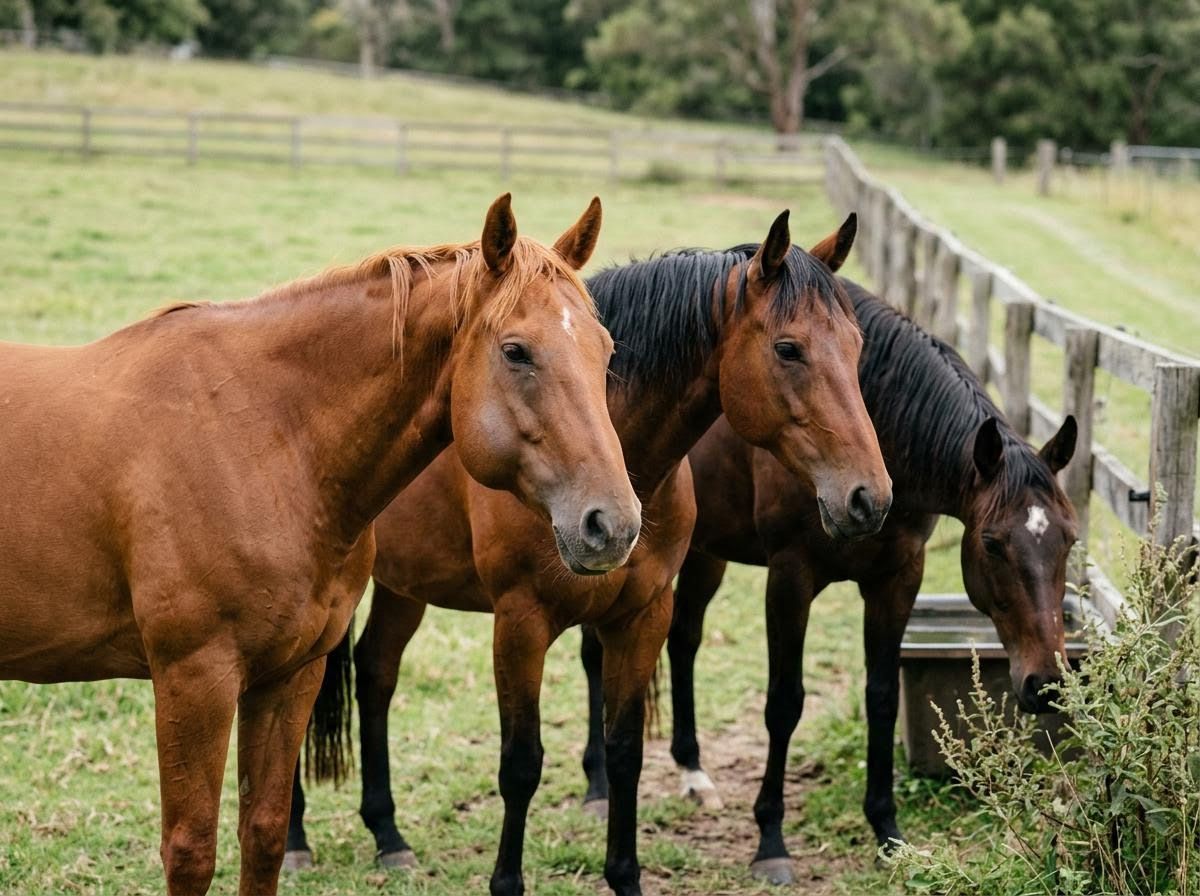
Beyond behavioral observations, several physical signs can indicate the need for equine dental care. Look for weight loss or a dull hair coat, as difficulty chewing can lead to inadequate nutrient absorption. Foul odor from the mouth or nostrils, excessive drooling, or discharge from the nose or eyes can also indicate dental problems, such as an abscess or infection. Swelling on the face, particularly around the jaw, is a clear sign that a dental issue may be present and warrants immediate attention from a large animal vet. Regular visual inspections of your horse's mouth and gums can also reveal abnormalities.
The Broader Impact on Health
Unaddressed dental problems can have far-reaching consequences beyond just the mouth. Chronic dental pain can lead to stress, which can suppress the immune system and make your horse more susceptible to other illnesses. Poor digestion due to inadequate chewing can result in colic or other gastrointestinal issues. Furthermore, without proper equine dental care, sharp enamel points can cause lacerations to the cheeks and tongue, leading to painful sores and potential infections. Proactive equine disease prevention, including regular dental check-ups, is essential for maintaining your horse's long-term health and vitality.
Recognizing the subtle and overt signs that your horse needs dental attention is a crucial part of responsible horse ownership. Early detection and intervention can prevent significant pain and more complex health issues, contributing to your horse's overall well-being and longevity. If you observe any of these signs, don't hesitate to seek expert advice. For a comprehensive assessment and professional equine veterinary services, we encourage you to contact the dedicated team at Carter Veterinary Services to discuss your horse's specific needs.