
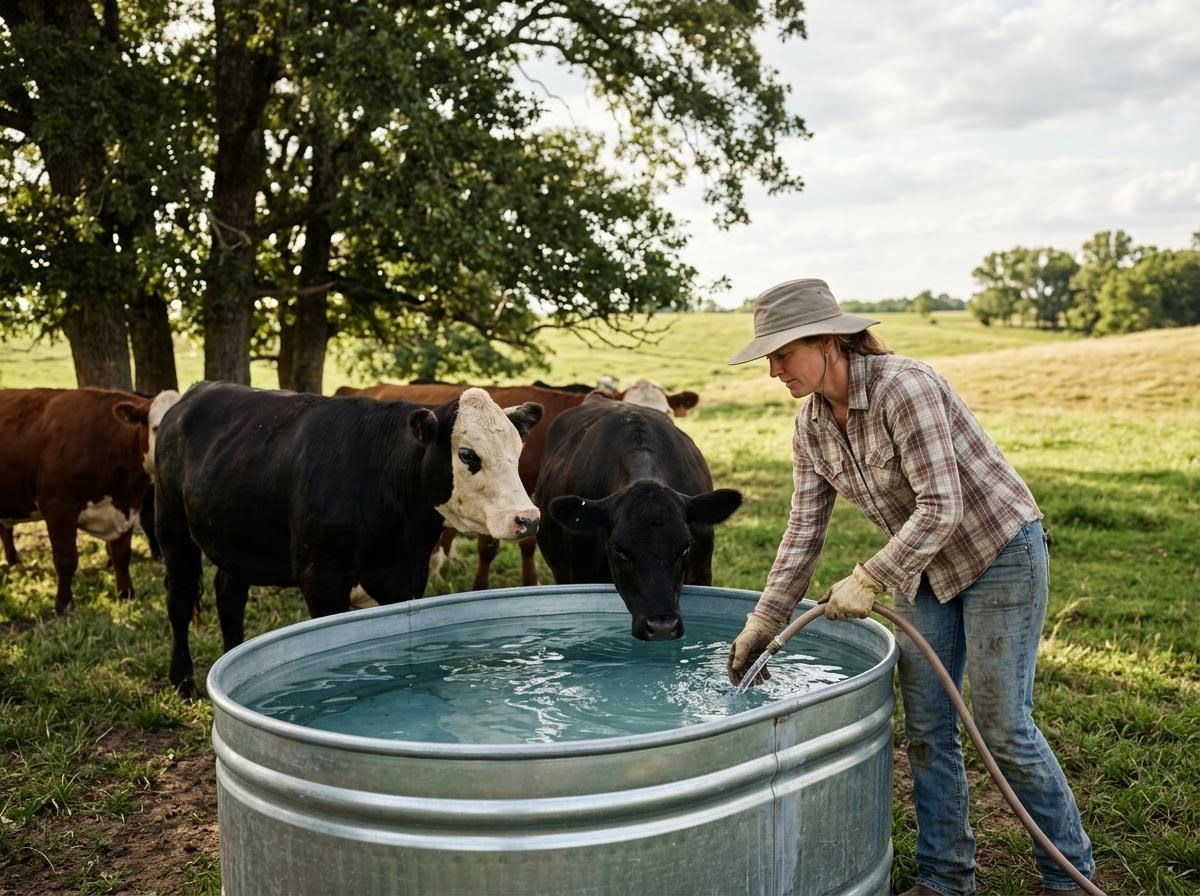
Summer brings warmth and sunshine, but for livestock, it also presents the significant challenge of heat stress, which can severely impact their health and productivity. At Carter Veterinary Services, we understand the critical importance of maintaining optimal conditions for your animals, especially as temperatures rise. Proactive management and a keen eye for early signs are essential to ensuring their comfort and well-being throughout the hotter months. Our goal is to empower you with the knowledge to safeguard your livestock against the potential dangers of summer heat.
Understanding the Impact of Heat Stress
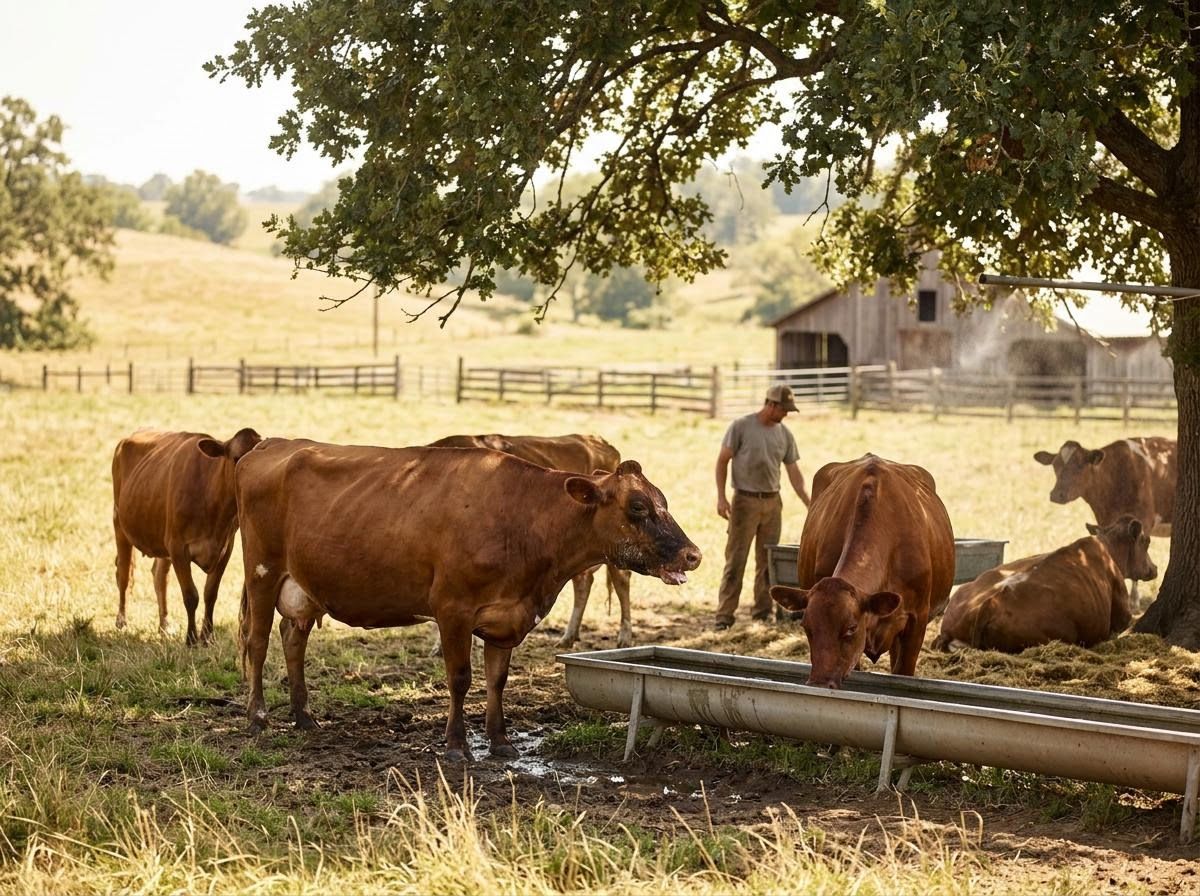
Heat stress occurs when an animal's body can no longer effectively dissipate the heat it generates, leading to a rise in core body temperature. This condition can manifest through several observable signs, including increased panting, lethargy, reduced feed intake, and more aggressive shade-seeking. The consequences extend beyond discomfort, potentially causing decreased milk production, compromised immune function, fertility issues, and, in severe cases, even fatality. Recognizing these signs early is crucial for prompt intervention and preventing more serious health complications.
Essential Strategies for Heat Mitigation
Providing access to abundant fresh water is perhaps the most critical step in preventing heat stress. Ensure water sources are clean, cool, and easily accessible, with multiple stations to prevent competition. Shade is another non-negotiable element; whether natural from trees or artificial structures, it offers a vital refuge from direct sunlight. In confined spaces, adequate ventilation and airflow, possibly augmented by fans, can significantly reduce ambient temperatures. For operations where livestock density is higher, misters or sprinklers can offer additional cooling, but care must be taken to manage humidity levels. Adjusting daily routines, such as moving animals or performing chores during the cooler parts of the day, also contributes significantly to their comfort.
Nutritional Adjustments and Proactive Monitoring
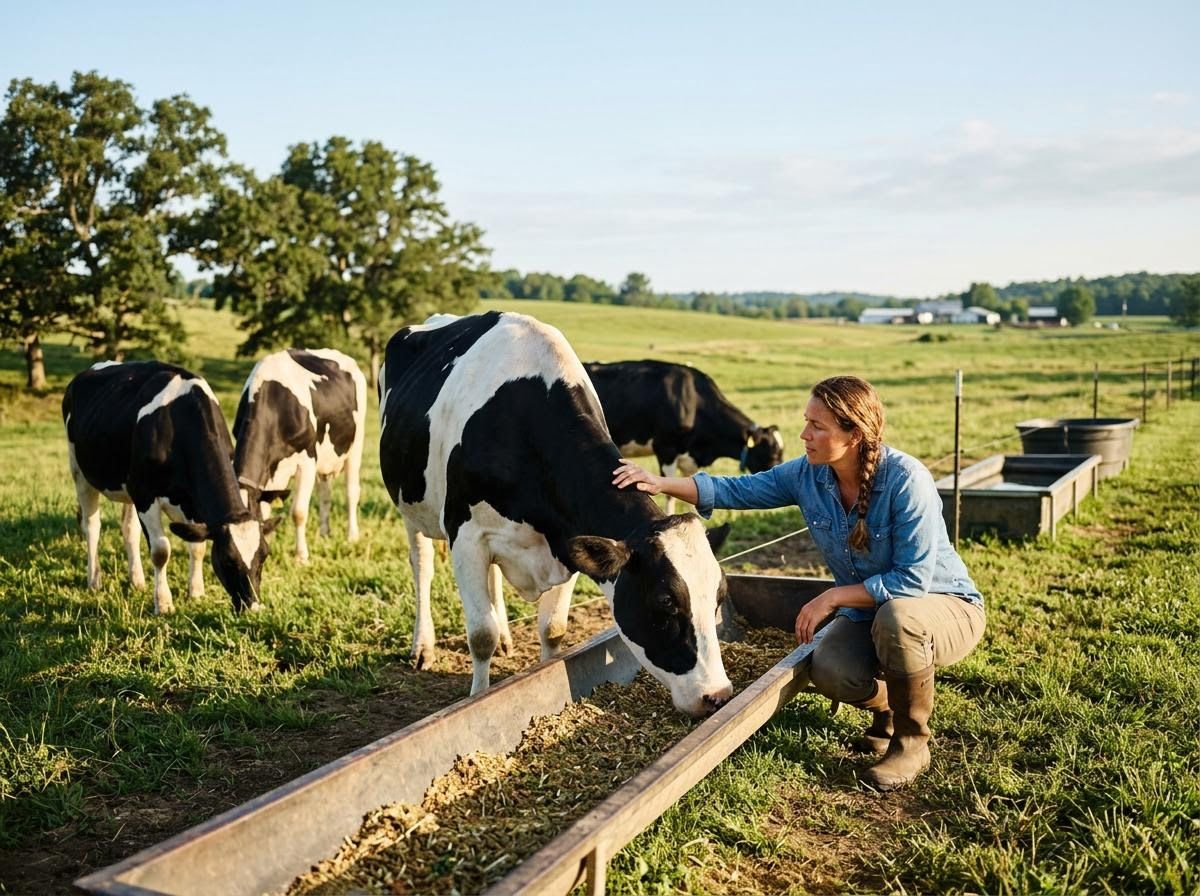
Dietary management plays a key role in reducing internal heat production. Consider adjusting feeding times to cooler hours, and consult with a large animal vet about feed formulations that generate less metabolic heat during digestion. Supplementation with electrolytes can help replenish minerals lost through sweating and maintain hydration balance. Regular and diligent monitoring of your animals is paramount; observe their behavior closely and learn to identify subtle changes that might indicate stress. Daily checks for signs of distress, especially during peak heat, allow for timely intervention and adjustment of management practices.
Specific Considerations for Equine Health
Horses, with their robust athletic build, are particularly susceptible to heat stress, making focused equine veterinary services indispensable during summer. Reducing the intensity and timing of exercise to cooler parts of the day is crucial. Proper hydration management, alongside a comprehensive equine dental care program, ensures they can consume feed and water efficiently, maintaining their energy and fluid balance. Furthermore, a stressed immune system can make horses more vulnerable to illness, so implementing a robust equine disease prevention strategy, including regular check-ups with your horse veterinarian, becomes even more important. Proactive care ensures not only their comfort but also their long-term health and performance.
Implementing these proactive measures is vital for safeguarding your livestock from the perils of summer heat. From ensuring ample hydration and shade to making appropriate nutritional adjustments and considering specific needs like equine dental care, a comprehensive approach is always best. Remember, consistent monitoring and timely intervention are paramount to their health and comfort. For personalized advice and to develop a tailored heat stress prevention plan for your animals, we invite you to reach out to the expert team at Carter Veterinary Services to discuss how we can support your livestock's well-being this summer.