
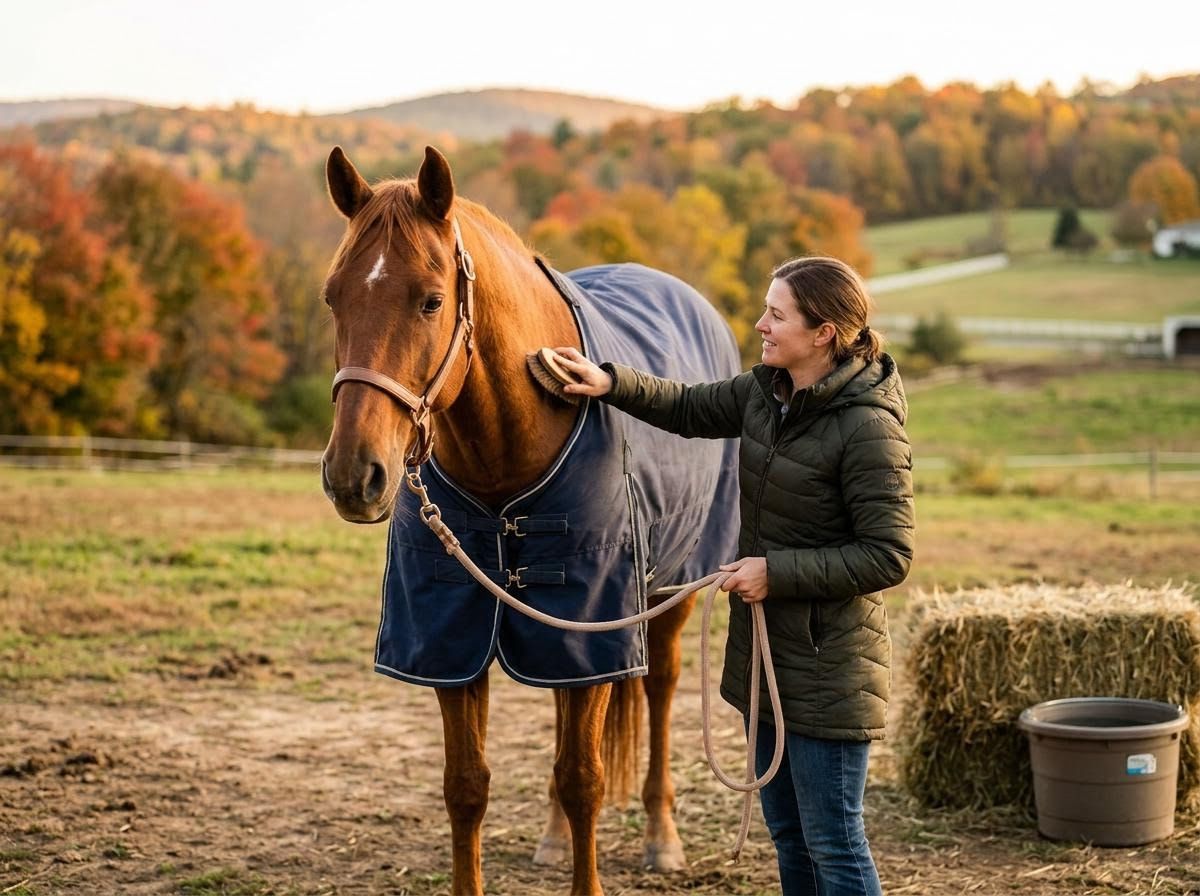
As the vibrant hues of summer gradually fade into the crisp air of autumn, the changing seasons bring a unique set of considerations for horse owners. Ensuring your equine companion is well-prepared for cooler temperatures, diminished pasture, and increased indoor time is crucial for their continued health and happiness. At Carter Veterinary Services, we understand the dedication involved in equine care and are here to guide you through these seasonal transitions, ensuring your horse thrives.
Nutritional Adjustments for the Changing Season
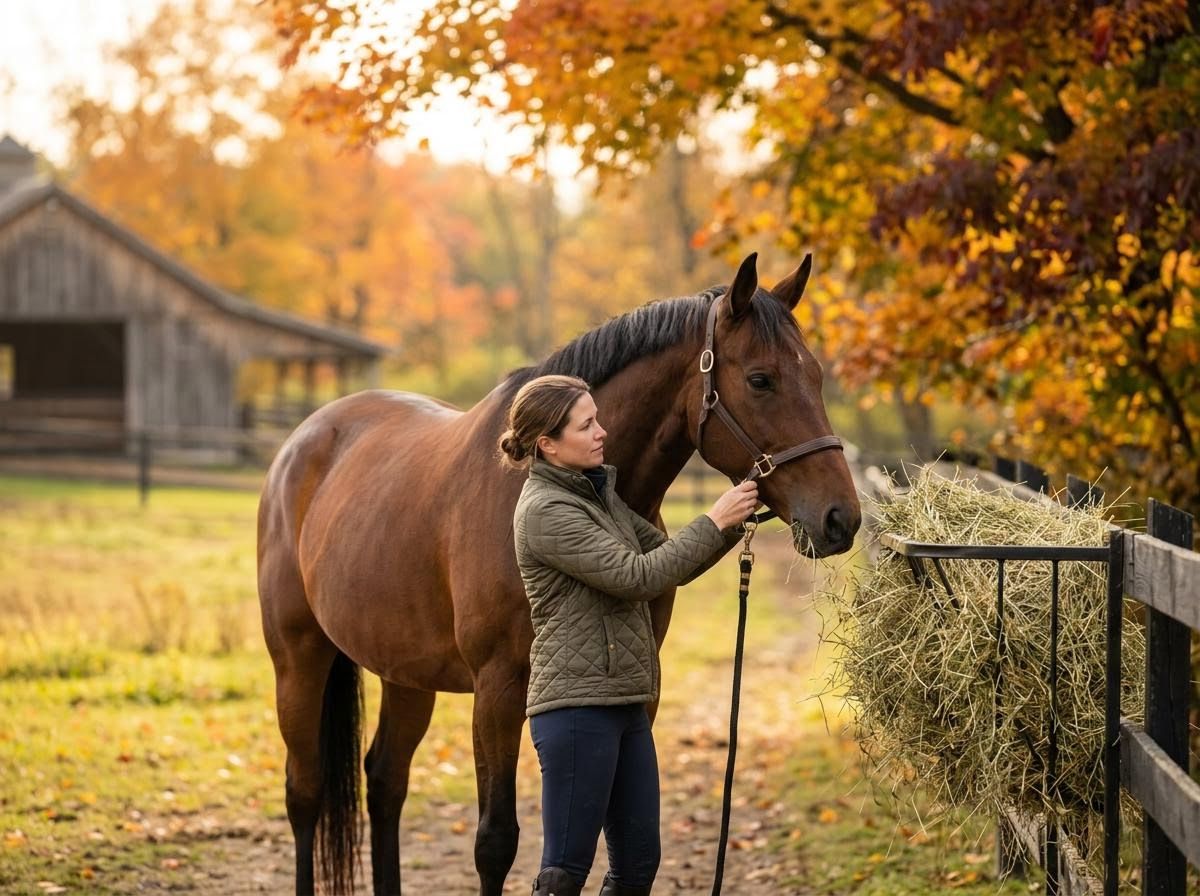
Fall often brings a decline in the quality and quantity of pasture forage, which can significantly impact your horse’s nutritional intake. As the weather cools, a horse's energy requirements can increase to maintain body temperature. It's essential to assess your horse's diet and make necessary adjustments, potentially increasing hay intake or supplementing with concentrates to ensure they receive adequate calories and nutrients. Monitoring their body condition score regularly will help you identify any changes early, allowing for timely dietary modifications. Hydration remains critical, so ensure fresh, unfrozen water is always accessible, especially as water intake can sometimes decrease in colder weather.
Proactive Health and Disease Prevention
Autumn is an opportune time to review your horse's vaccination schedule and parasite control program. Certain diseases, like West Nile Virus and Eastern/Western Equine Encephalomyelitis, have seasonal prevalence, and boosters may be recommended. Consulting with your large animal vet to tailor a vaccination plan is a key part of equine disease prevention. Additionally, reviewing your deworming strategy is vital as horses may be more prone to internal parasites during periods of stable confinement. A comprehensive approach to health, including regular fecal egg count tests, can help keep your horse resilient throughout the colder months.
Maintaining Hoof Health and Coat Care
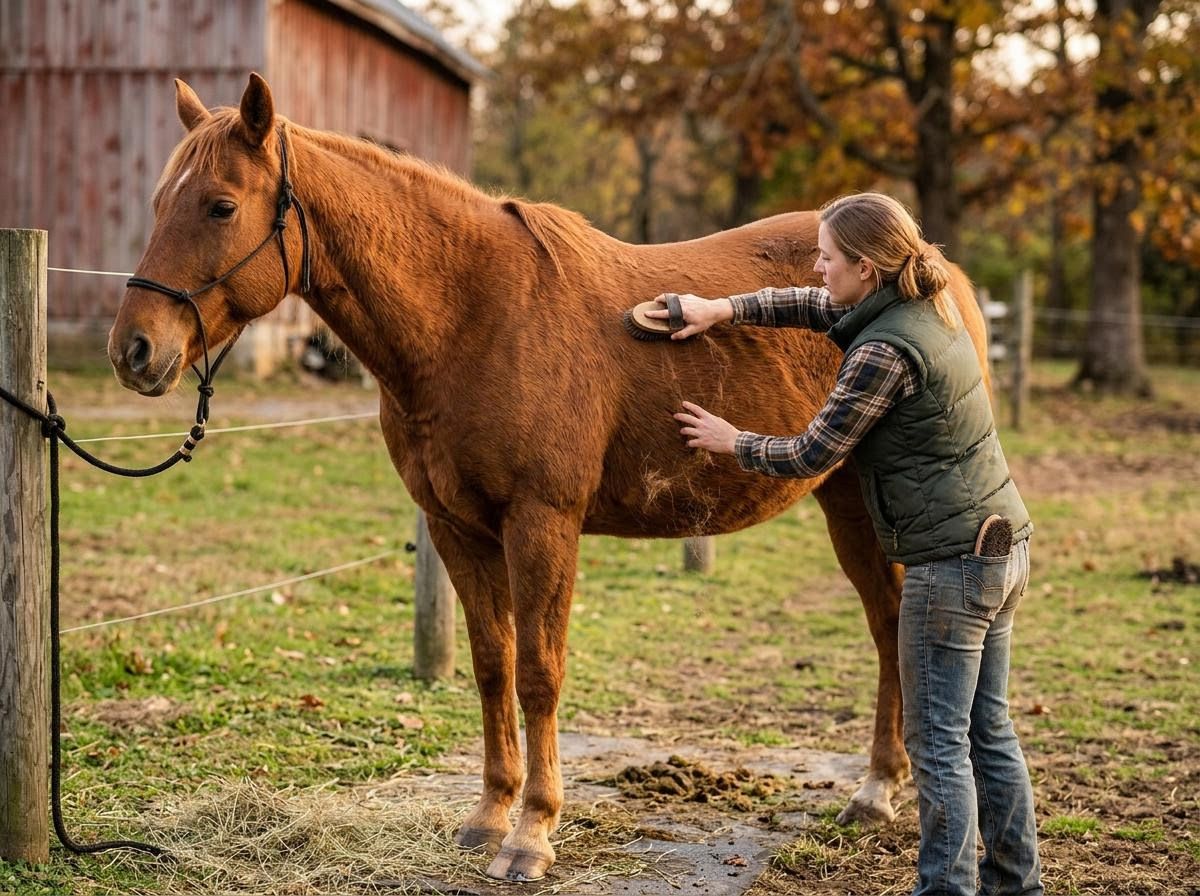
The fluctuating moisture levels and colder temperatures of fall can present challenges for hoof health. Increased rain or snow can soften hooves, making them more susceptible to issues, while dry spells can lead to cracks. Regular farrier visits are essential to address these changes and maintain proper hoof balance. As your horse begins to grow its winter coat, diligent grooming becomes important. Removing loose hair and dirt helps keep the skin healthy and allows the coat to insulate effectively. Blanketing decisions should be made based on your horse's individual needs, breed, coat thickness, and environmental conditions, ensuring they remain comfortable without overheating.
The Importance of Routine Veterinary Examinations
As part of seasonal preparation, scheduling a comprehensive physical examination with your horse veterinarian is highly recommended. This allows for a thorough assessment of their overall health, including their heart, lungs, and musculoskeletal system. It's also an excellent opportunity to focus on equine dental care, as dental issues can significantly impact a horse's ability to chew and digest feed, especially when transitioning to a hay-based diet. Early detection and treatment of any underlying health concerns through professional equine veterinary services can prevent minor issues from becoming major problems down the line.
Preparing for a Healthy and Comfortable Fall
Preparing your horse for the fall season involves a holistic, proactive approach that addresses everything from nutrition and preventive health to hoof and coat care. By understanding the unique demands of this transitional period, you can ensure your equine partner remains healthy, comfortable, and ready for the cooler months ahead. Carter Veterinary Services is dedicated to supporting your horse’s well-being with expert guidance and comprehensive care. For personalized advice on autumn preparations or to schedule a wellness check-up for your horse, please contact our team.