

Maintaining a healthy herd involves a comprehensive approach to parasite control. As a responsible horse owner in the Lowcountry, understanding and implementing effective deworming practices is crucial for the well-being of your animals. This post outlines key strategies for equine deworming to ensure your horses stay healthy and thrive.
Understanding the Importance of Equine Deworming
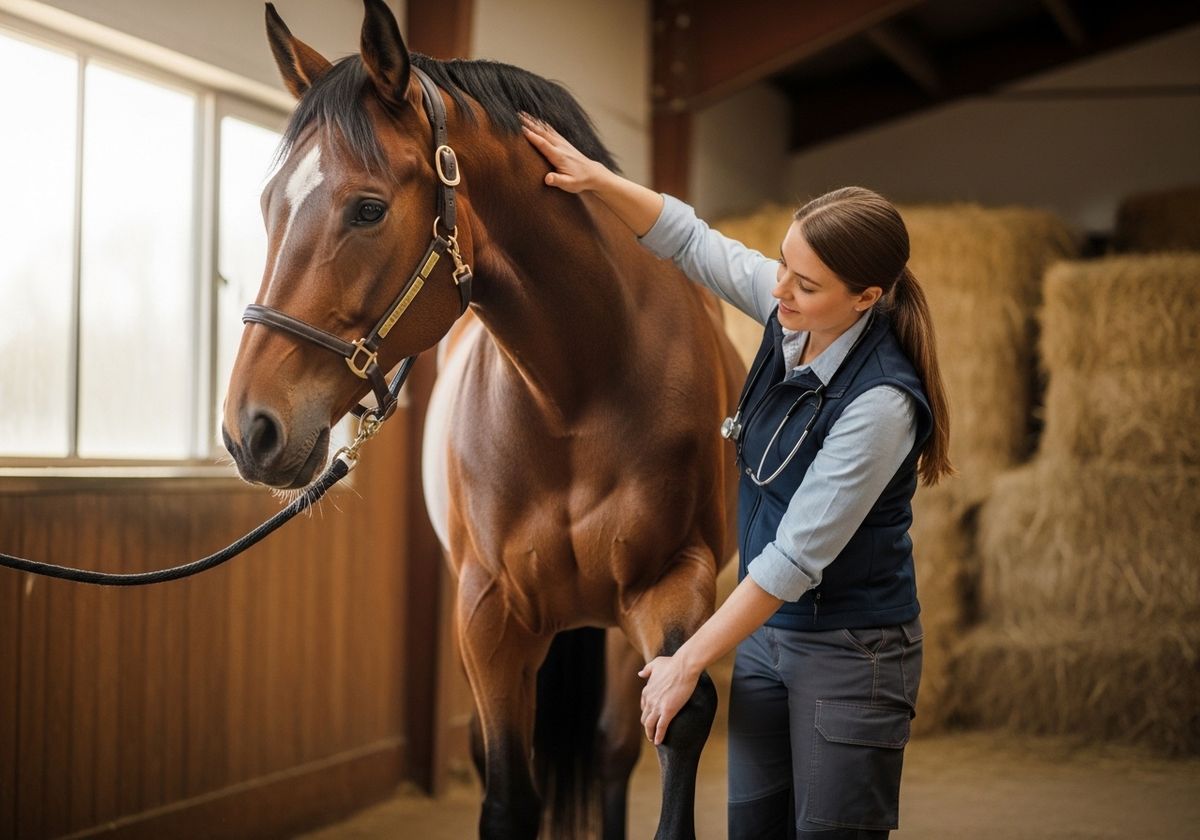
Parasites can cause a range of health issues in horses, from mild discomfort to severe conditions like colic and weight loss. Regular deworming, combined with strategic management practices, helps minimize the parasite load and supports your horse's overall health. A knowledgeable large animal veterinarian can help you create a deworming schedule that is right for your horse.
Best Practices for Equine Deworming
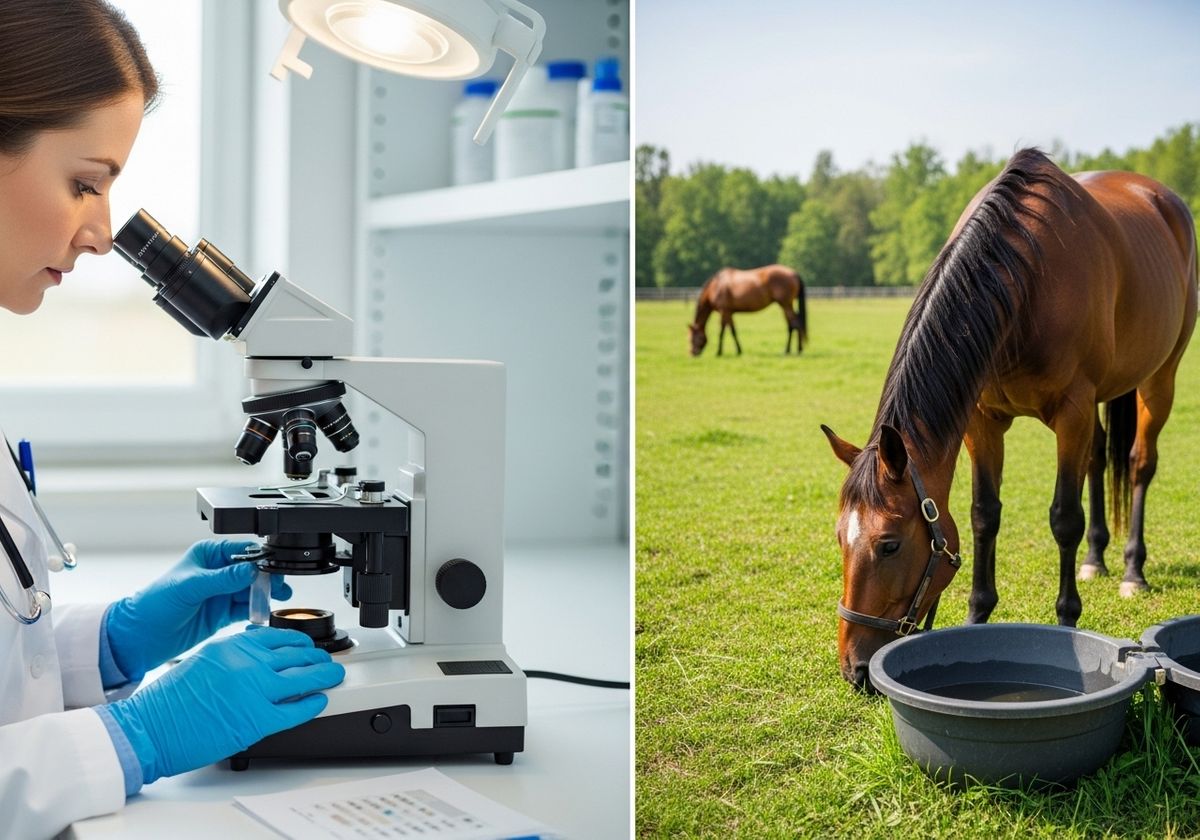
Fecal Egg Counts (FEC): Work with your equine vet in Savannah to perform regular FEC tests. These tests determine the number of parasite eggs in your horse's feces, helping you target deworming treatments effectively. FEC testing helps prevent overuse of deworming medications, which can lead to resistance.
Strategic Deworming: Develop a deworming schedule based on FEC results and your veterinarian's recommendations. Consider factors like your horse's age, health status, and environmental conditions. Strategic deworming targets specific parasites at the most effective times of the year.
Use Effective Deworming Medications: Consult with your veterinarian to choose the right deworming medications. Rotate dewormers periodically to prevent parasite resistance. Always follow the manufacturer's instructions and administer the correct dosage based on your horse's weight.
Pasture Management: Implement good pasture management practices to minimize parasite exposure. Regularly remove manure from pastures, as it is a breeding ground for parasites. Rotate pastures to allow grazing areas to rest and reduce parasite contamination. Harrowing pastures can also help break up manure and expose parasite eggs to the sun, killing them.
Maintain a Clean Environment: Keep stalls and feeding areas clean to prevent parasite transmission. Regularly clean and disinfect water troughs and feed buckets. Avoid feeding horses on the ground, as this increases their risk of ingesting parasites.
Quarantine New Horses: When introducing new horses to your herd, quarantine them for several weeks and perform FEC tests. Deworm them based on the test results before integrating them with the rest of the herd. This prevents the introduction of new parasites to your existing horses.

The Role of Nutrition and Overall Health
A horse's overall health and nutrition play a significant role in its ability to resist parasites. Ensure your horses receive a balanced diet with adequate vitamins and minerals. Healthy horses are better equipped to fight off parasite infections and maintain a strong immune system.
Seasonal Considerations for Deworming
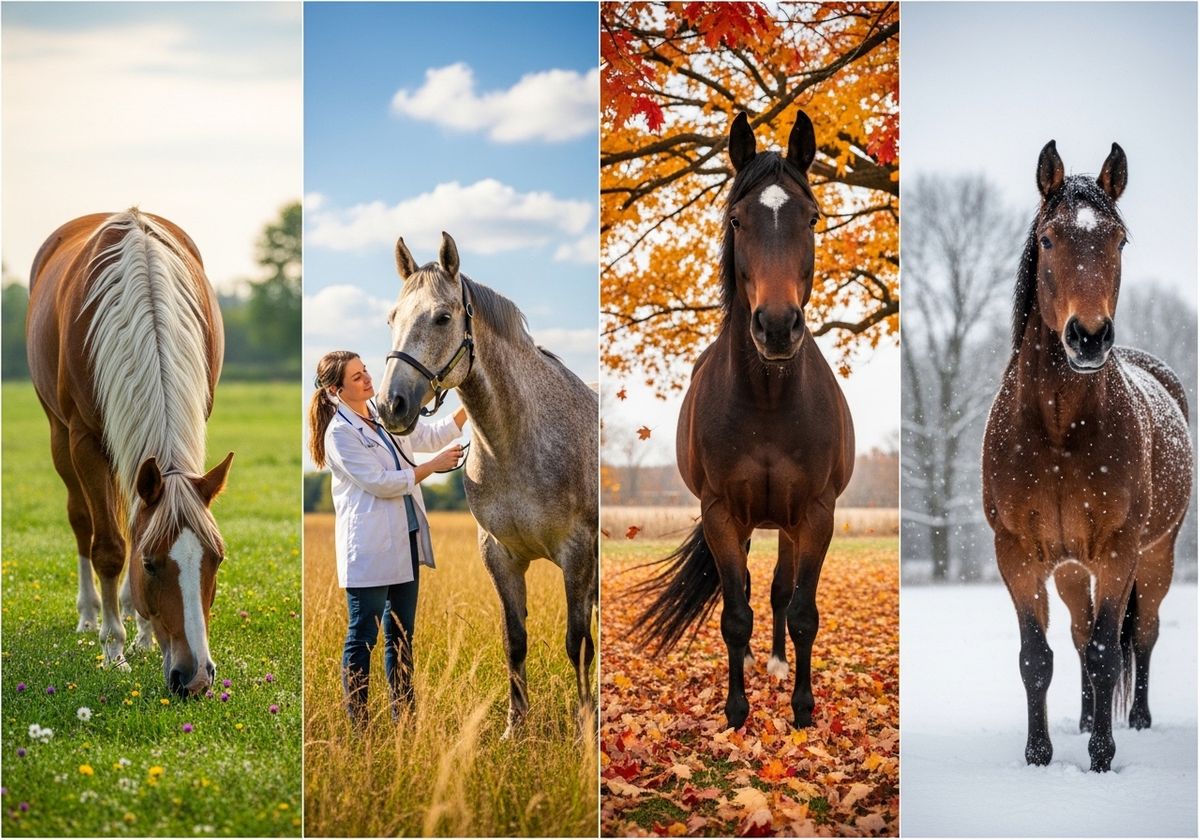
Spring: Focus on targeting encysted small strongyles, which can emerge from the intestinal walls during this time.
Summer: Monitor parasite levels and deworm as needed based on FEC results.
Fall: Deworm to reduce parasite burdens before winter.
Winter: Consider using a dewormer effective against bots and tapeworms.
By understanding the importance of equine deworming and implementing these best practices, you can protect your horses from the harmful effects of parasites. Regular FEC testing, strategic deworming, proper pasture management, and maintaining a clean environment are all essential components of a comprehensive parasite control program. Prioritizing equine disease prevention and working closely with your veterinarian will ensure the health and well-being of your herd. Contact us today to learn more about our comprehensive veterinary services and how we can help you maintain a healthy herd.