Understanding equine dental health is crucial for your horse's overall well-being. Dental floating is a fundamental part of maintaining a horse's oral hygiene, directly impacting their comfort, digestion, and performance. At Carter Veterinary Services, we believe that informed owners are the best advocates for their animals' health. This guide will demystify dental floating, explaining its importance and what every horse owner should know to ensure their equine companion thrives.
What is Dental Floating and Why is it Essential?
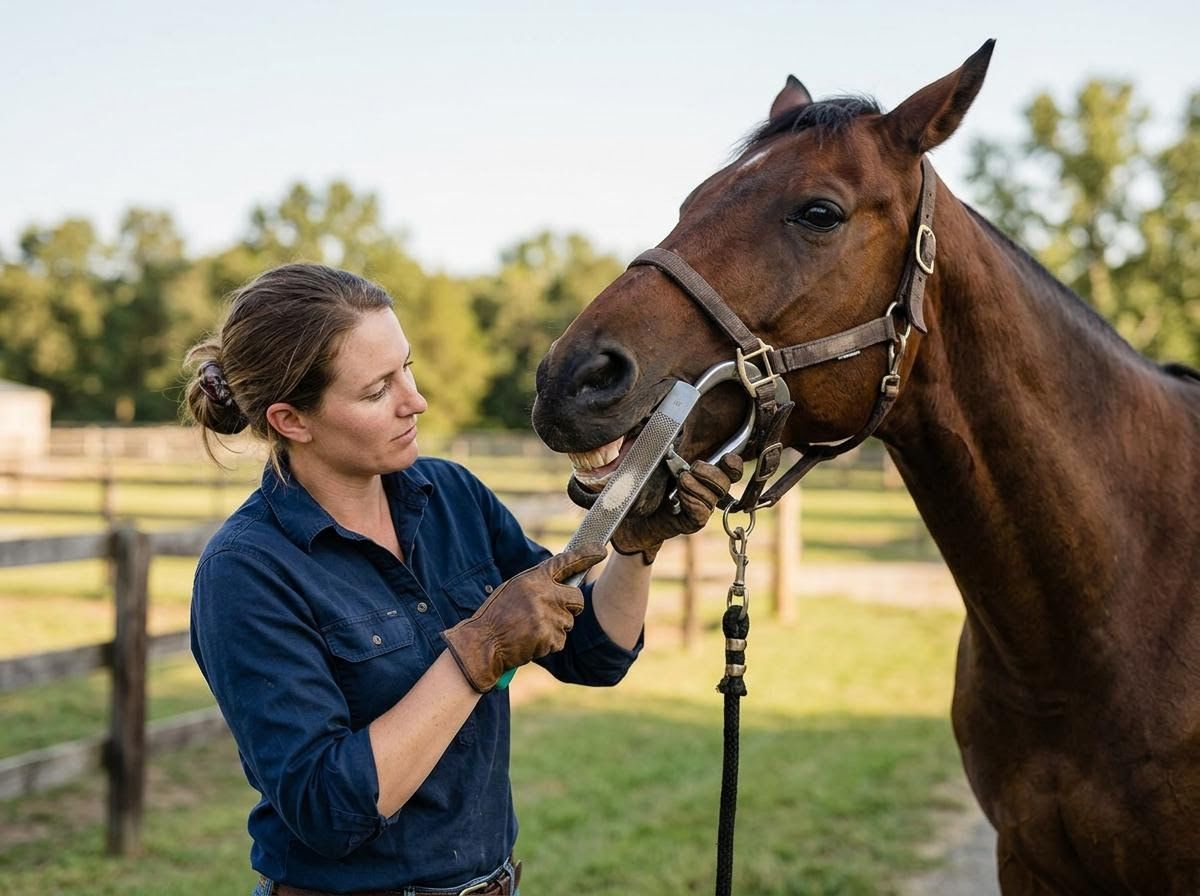
Horses' teeth are uniquely designed to continuously erupt throughout their lives, a characteristic known as hypsodonty. As they chew, the grinding motion wears down the surfaces of their teeth. However, due to natural jaw movement and differences in tooth density, this wear often isn't perfectly even. Over time, sharp enamel points can form, particularly on the outside edges of the upper molars and the inside edges of the lower molars. These sharp points can cause painful ulcers and lacerations on the cheeks and tongue, leading to discomfort, difficulty eating, and behavioral issues. Dental floating is the process of filing down these sharp points to create a smooth, comfortable chewing surface, which is vital for proper digestion and overall health.
Recognizing the Signs Your Horse Needs Dental Attention
As a horse owner, being observant of your animal's behavior is key to proactive equine dental care. While regular veterinary check-ups are paramount, several signs can indicate your horse is experiencing dental discomfort. These include dropping feed (quidding), excessive salivation, difficulty chewing, head tossing or resistance to the bit, weight loss, bad breath, or even changes in temperament. Some horses may also show signs of colic or choke if they are unable to properly chew their food. Early detection and intervention can prevent minor issues from escalating into more serious health problems, so it is important to contact a professional if you notice any of these indicators.
The Professional Floating Process
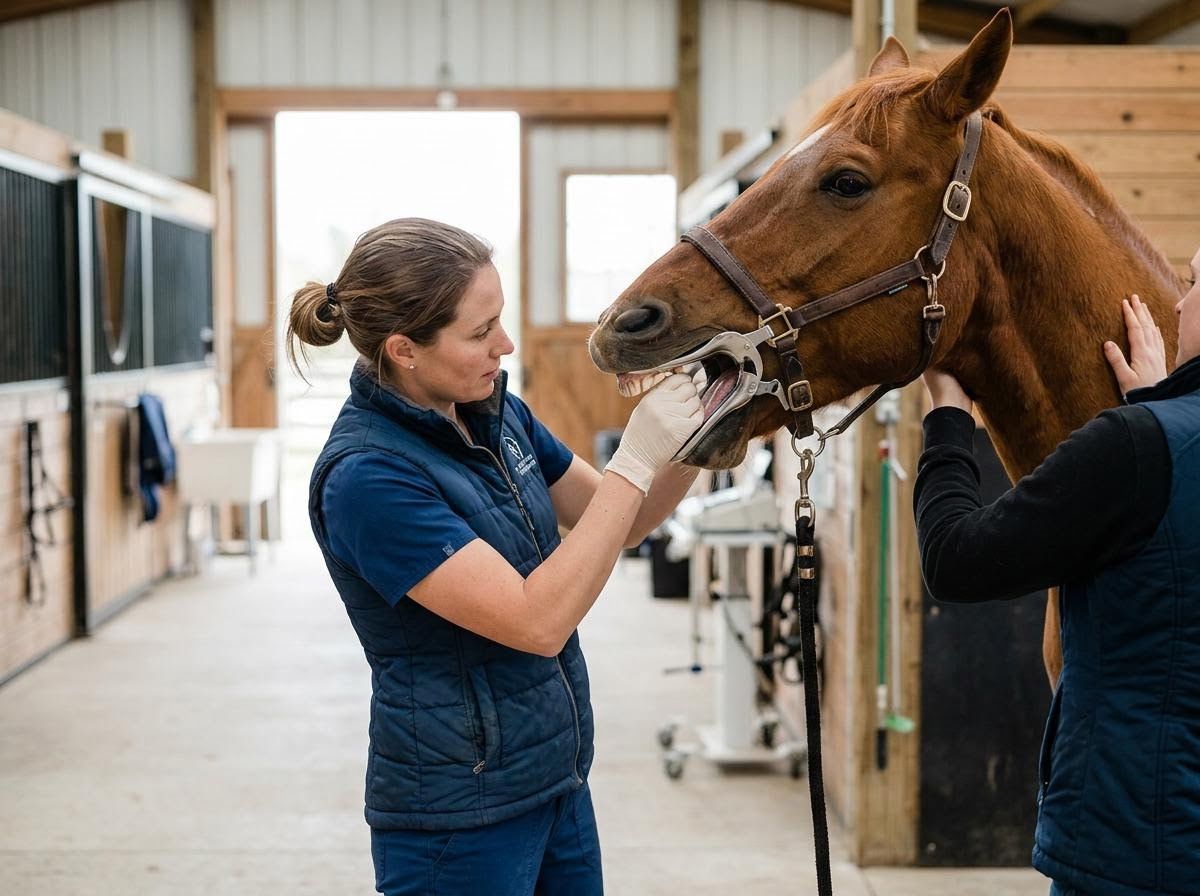
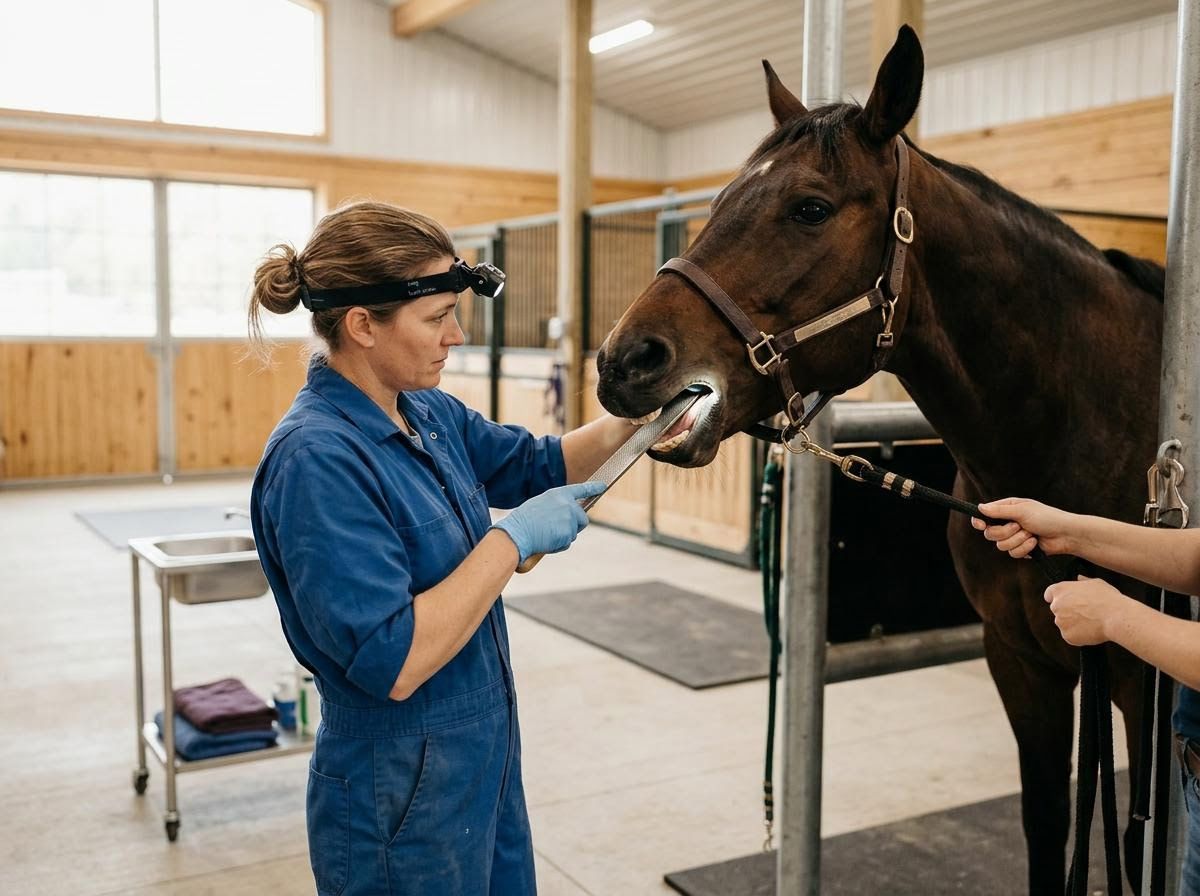
When you bring your horse in for a dental examination, a skilled large animal vet will conduct a thorough oral assessment, often with the horse lightly sedated for comfort and safety. A speculum is used to hold the horse's mouth open, allowing for a complete visual and manual inspection of every tooth, as well as the soft tissues of the mouth. The actual "floating" can be performed using manual hand floats or power floats. Both methods aim to remove sharp points, correct imbalances, and address any other dental abnormalities. This precise procedure ensures that your horse can chew efficiently and comfortably, contributing significantly to their well-being. A qualified horse veterinarian has the specialized knowledge and equipment to perform this delicate procedure safely and effectively.
Holistic Equine Dental Care and Prevention
Effective equine dental care extends beyond just floating teeth when problems arise; it's a critical component of comprehensive equine disease prevention. Regular dental examinations, typically once or twice a year depending on the horse's age and specific needs, allow for early identification and correction of issues before they become severe. Beyond professional interventions, maintaining a balanced diet with appropriate forage can support natural tooth wear. Owners should also pay attention to their horse's eating habits and overall demeanor. A holistic approach to equine health, including consistent dental maintenance, helps ensure your horse remains in optimal condition and can live a long, healthy, and comfortable life.
Ensuring Your Horse's Continued Comfort
Regular, professional equine dental care is not just about comfort; it's a cornerstone of your horse's long-term health and vitality. By understanding the importance of dental floating and recognizing the signs of dental issues, you play an active role in your horse's well-being. At Carter Veterinary Services, our dedicated team is committed to providing comprehensive equine veterinary services, ensuring your horse receives the best possible oral health support. We encourage you to reach out to our clinic to discuss your horse's specific dental needs and schedule a comprehensive oral examination.