When you walk into the pasture and notice your horse holding one eye partially shut, it is easy to assume they just have a bit of dust in it or a minor irritation from the wind. However, in the world of equine medicine, a "squint" is one of the most deceptive clinical signs an owner can encounter. Because of the horse’s unique anatomy, what looks like minor discomfort can escalate into permanent vision loss within hours. As a leading emergency equine vet in the Lowcountry, Carter Veterinary Services prioritizes these cases because we know that time is the most critical factor in saving a horse’s sight.
Equine Ophthalmology: Why Every "Squint" is an Emergency
Equine Ophthalmology: Why Every "Squint" is an Emergency
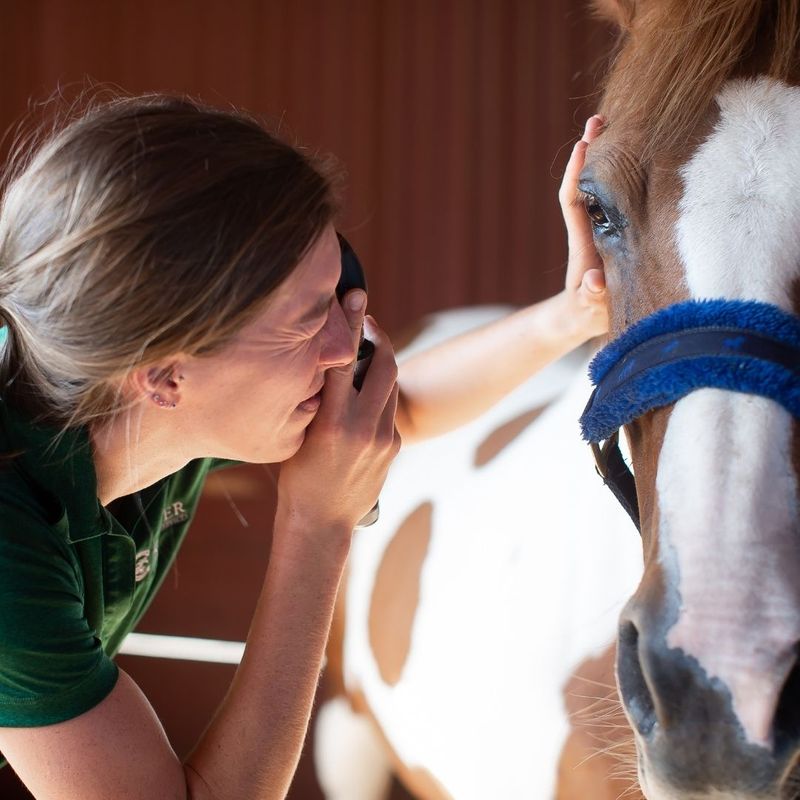
The Danger of Corneal Ulcers
A simple scratch on the eye, known as a corneal ulcer, is a leading cause of a horse eye emergency in South Carolina. These painful lesions often start small but can quickly become infected by bacteria or fungi common in our humid environment. Without immediate professional intervention, a superficial scratch can turn into a "melting" ulcer that dissolves the corneal tissue. We specialize in equine corneal ulcer treatment, utilizing specialized staining techniques to identify these hidden threats early and start aggressive therapy before the structural integrity of the eye is permanently compromised.
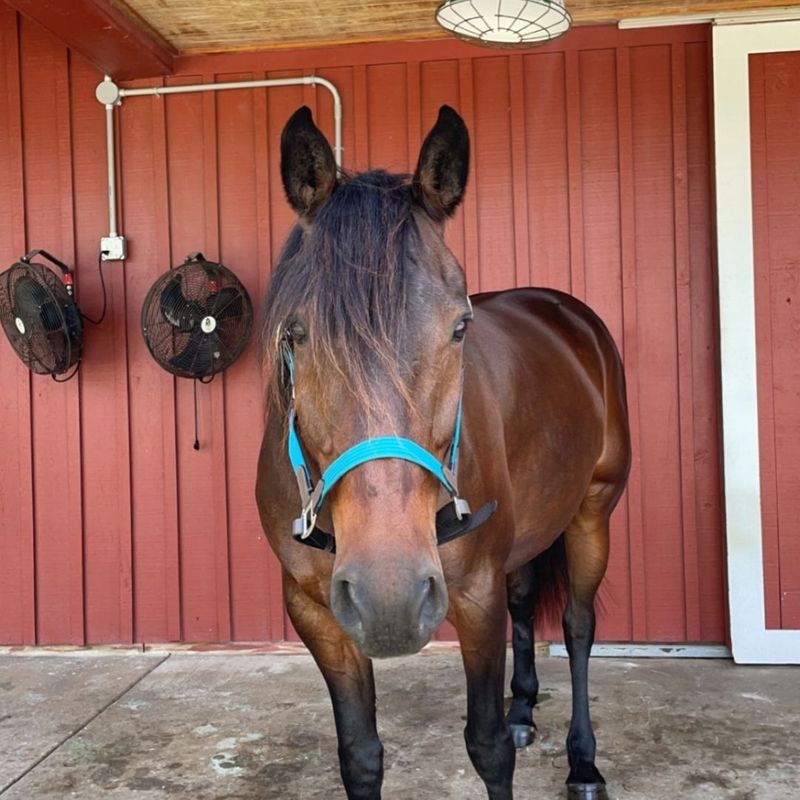
Understanding Equine Recurrent Uveitis
Commonly referred to as "Moon Blindness," Equine Recurrent Uveitis (ERU) is a leading cause of blindness in horses worldwide. This condition involves painful, internal inflammation of the eye that may flare up and then seem to disappear, leading some owners to believe the issue has resolved itself. Unfortunately, each episode causes cumulative, irreversible damage to the internal structures. Our team focuses on managing this inflammation through targeted therapies to preserve the delicate tissues of the eye and extend your horse’s visual lifespan.
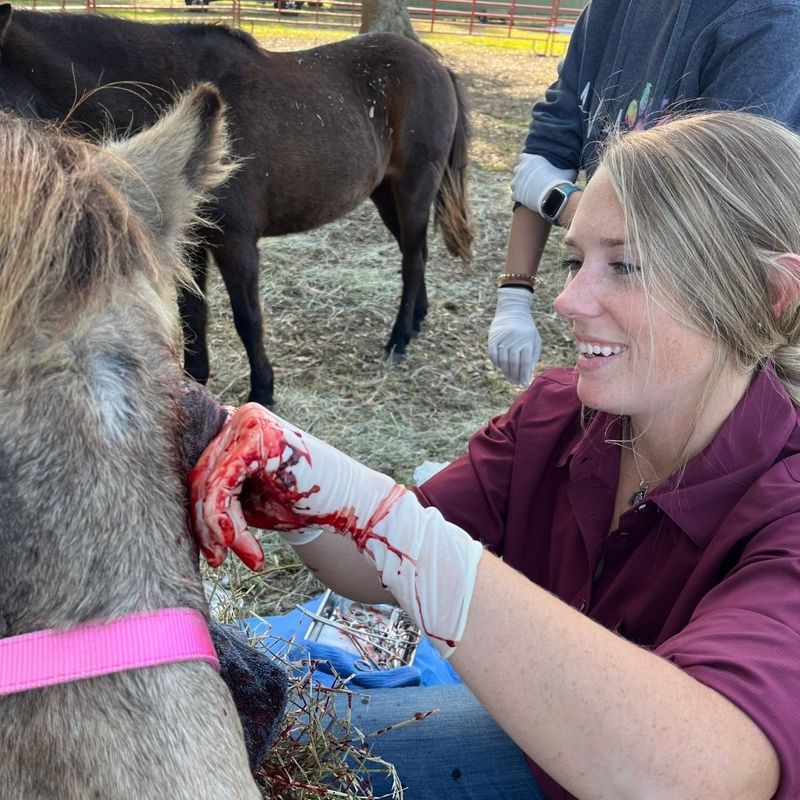
Eyelid Lacerations and Structural Trauma
Due to their inquisitive nature and the design of their stalls and fences, horses are frequently prone to eyelid lacerations. While these may look like simple skin wounds, they are actually ophthalmic emergencies because the eyelid is essential for distributing the tear film that protects the cornea. We emphasize the importance of surgical repair by a veterinarian to ensure the eyelid margin is perfectly realigned. Proper reconstruction prevents chronic irritation and secondary ulceration, maintaining the long-term health of the globe and the horse's overall comfort.
The Risks of Home Treatment
One of the most dangerous mistakes a well-meaning owner can make is applying a leftover eye ointment without a veterinary exam. Many common ointments contain steroids, which are excellent for inflammation but catastrophic if an ulcer is present. Applying steroids to an undiagnosed ulcer can lead to a rapid rupture of the eye. We strongly advise against any "wait and see" approach. As your 24/7 equine vet in Hardeeville, we provide the immediate exams necessary to ensure your horse receives the safe, effective medication they need to recover properly.
Equine eye issues are high-stakes situations that require rapid, expert diagnosis to prevent permanent blindness or the need for surgical removal. We are dedicated to providing the highest level of care for our equine patients across the Lowcountry, ensuring that your horse receives the specialized attention their vision deserves. If you notice any tearing, cloudiness, or squinting, please contact Carter Veterinary Services immediately at (843) 258-3875. We are available 24/7 to provide the emergency equine vet services and ophthalmology expertise needed to protect your horse’s health and your peace of mind.