
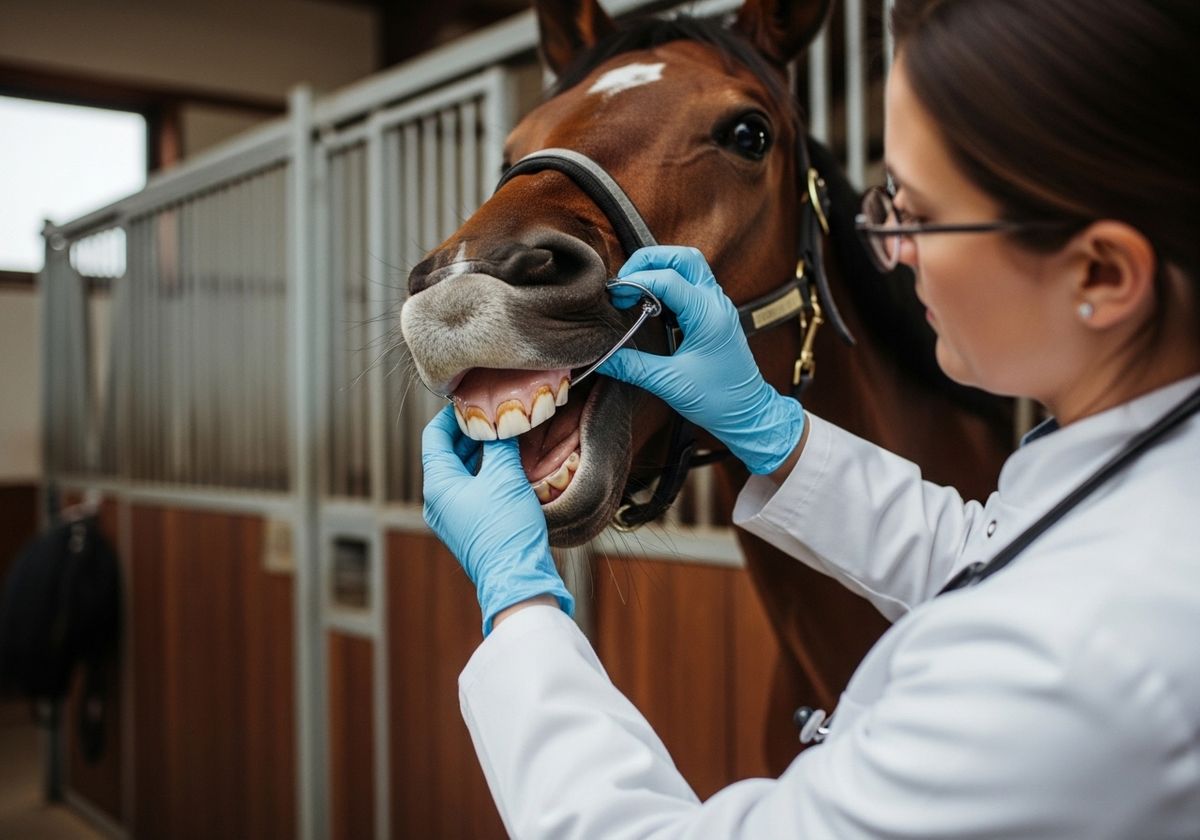
At Carter Veterinary Services, we understand the importance of ensuring the comfort and optimal performance of your equine companions. As a dedicated team of equine and large animal veterinary specialists serving the Lowcountry region, we're committed to providing comprehensive care tailored to their individual needs. That's why we're here to shed light on a common dental issue in horses: wolf teeth and their extraction.
Understanding Wolf Teeth
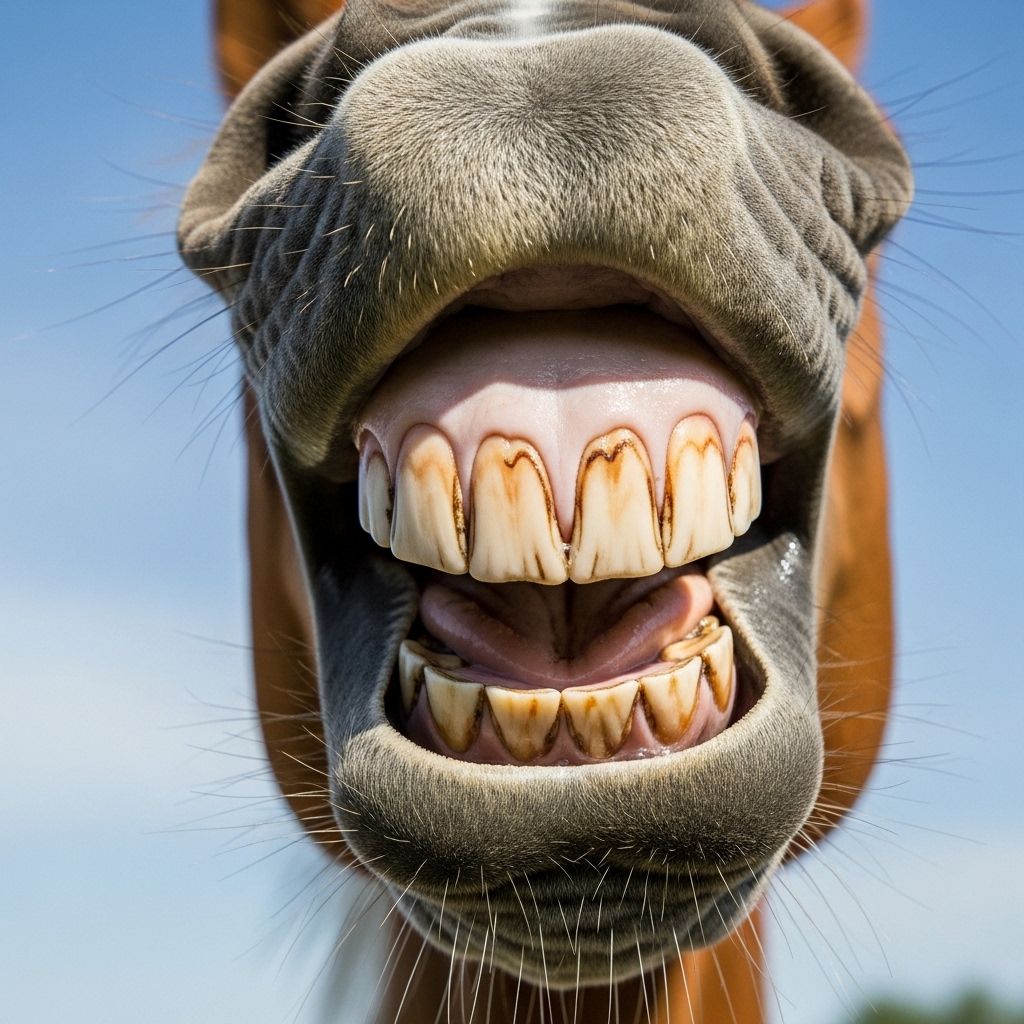
Wolf teeth, also known as premolar 1, are small, vestigial teeth that are present in some horses, typically located in the upper jaw, in front of the cheek teeth. While not all horses develop wolf teeth, those that do may experience discomfort or interference with the bit, potentially impacting performance and well-being.
Why Extract Wolf Teeth?
There are several reasons why the extraction of wolf teeth may be recommended by your vet in Savannah:
Bit Interference: Wolf teeth can interfere with the proper seating and function of the bit, causing discomfort and resistance during riding.
Pain and Sensitivity: Some horses experience pain or sensitivity associated with wolf teeth, leading to behavioral issues or reluctance to accept the bit.
Performance Issues: Discomfort caused by wolf teeth can affect a horse's ability to perform optimally, impacting training and competition.
Preventative Measures: Even if wolf teeth are not currently causing issues, extraction may be recommended as a preventative measure to avoid potential problems in the future.
The Extraction Process
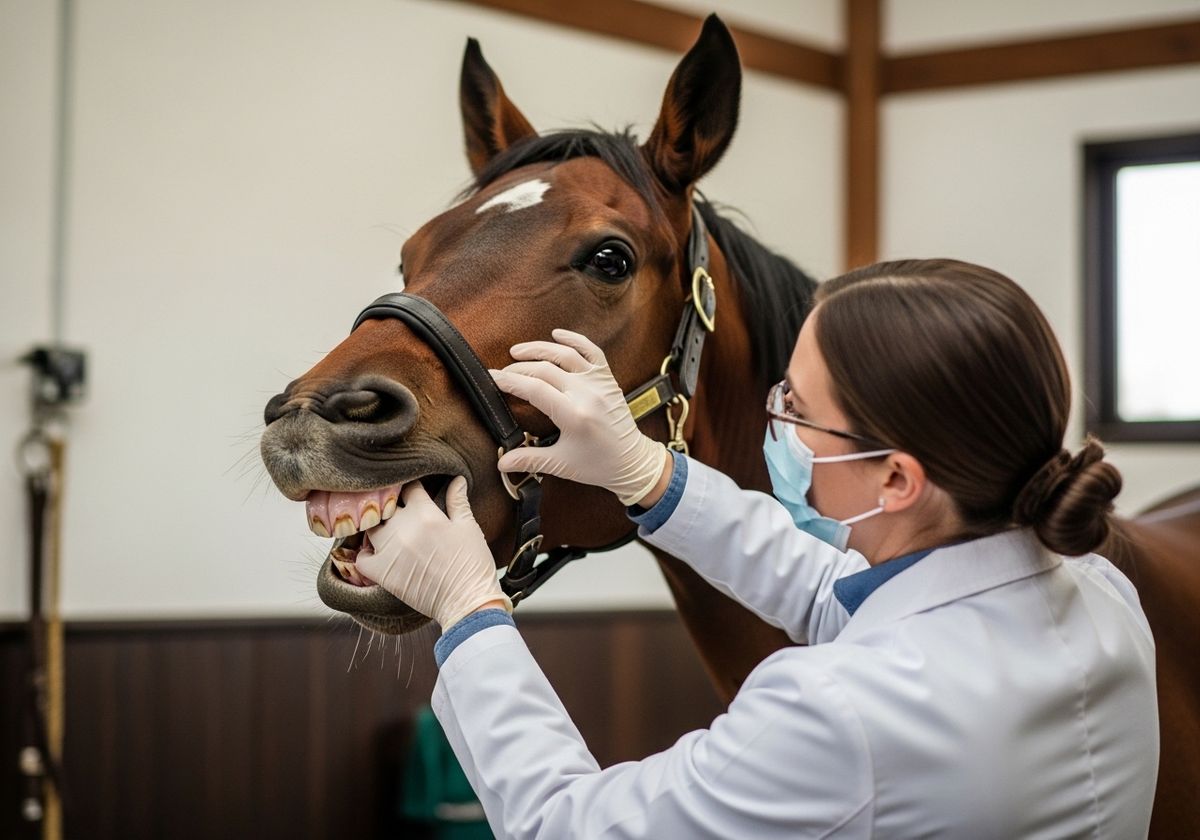
Wolf tooth extraction is a relatively simple procedure that can be performed by a qualified large animal veterinarian. Here's what you can expect during the process:
Examination: A thorough oral examination is performed to assess the presence, size, and location of wolf teeth.
Sedation: The horse is typically sedated to ensure comfort and cooperation during the procedure.
Local Anesthesia: Local anesthesia may be administered to numb the area around the wolf teeth.
Extraction: Using specialized instruments, the wolf teeth are carefully extracted from their sockets.
Post-Extraction Care: Following extraction, your veterinarian will provide instructions for post-operative care, which may include rinsing the mouth with a diluted antiseptic solution and administering pain medication as needed.

Benefits of Wolf Teeth Extraction
Extracting wolf teeth can offer numerous benefits for your horse, including:
Improved Comfort: Removal of wolf teeth eliminates a potential source of discomfort and irritation in the mouth.
Enhanced Performance: With improved comfort and bit acceptance, horses are better able to perform at their best.
Reduced Behavioral Issues: Addressing dental discomfort can help alleviate behavioral issues associated with bit resistance.
Prevention of Future Problems: Extracting wolf teeth as a preventative measure can help avoid potential dental complications down the road.

Promoting Equine Dental Health
In addition to wolf teeth extraction, regular horse dental care is essential for maintaining your horse's overall health and well-being. Schedule routine dental exams with a qualified veterinarian to identify and address any dental issues promptly. Furthermore, proper equine disease prevention strategies are vital for protecting your horse's health.
At Carter Veterinary Services, we're dedicated to providing knowledgeable, experienced, and passionate veterinary care for your equine and large animal companions. If you're concerned about wolf teeth or other dental issues affecting your horse, don't hesitate to contact us for an appointment.