Calving season is a critical time for livestock producers, often filled with anticipation but also potential challenges. One of the most serious complications that can arise is dystocia, or difficult birth, which can threaten the lives of both the cow and her calf if not addressed promptly. Recognizing the signs of trouble and knowing when to seek professional help is paramount for successful outcomes, a principle we deeply uphold at Carter Veterinary Services. This guide aims to equip you with the knowledge to identify these emergencies and understand when immediate veterinary intervention is essential.
Understanding Dystocia: What Constitutes a Difficult Birth?
Dystocia refers to any deviation from a normal, unassisted birthing process. It can manifest in various ways and stem from several factors, often categorized as maternal or fetal. Maternal causes might include an undersized pelvic canal, uterine inertia (weak contractions), or incomplete cervical dilation. Fetal causes are frequently related to the calf's size being too large for the dam, or an abnormal presentation, position, or posture of the calf within the birth canal. Recognizing these underlying issues is crucial for understanding why a birth might be stalled or complicated.
Key Warning Signs that Demand Your Attention
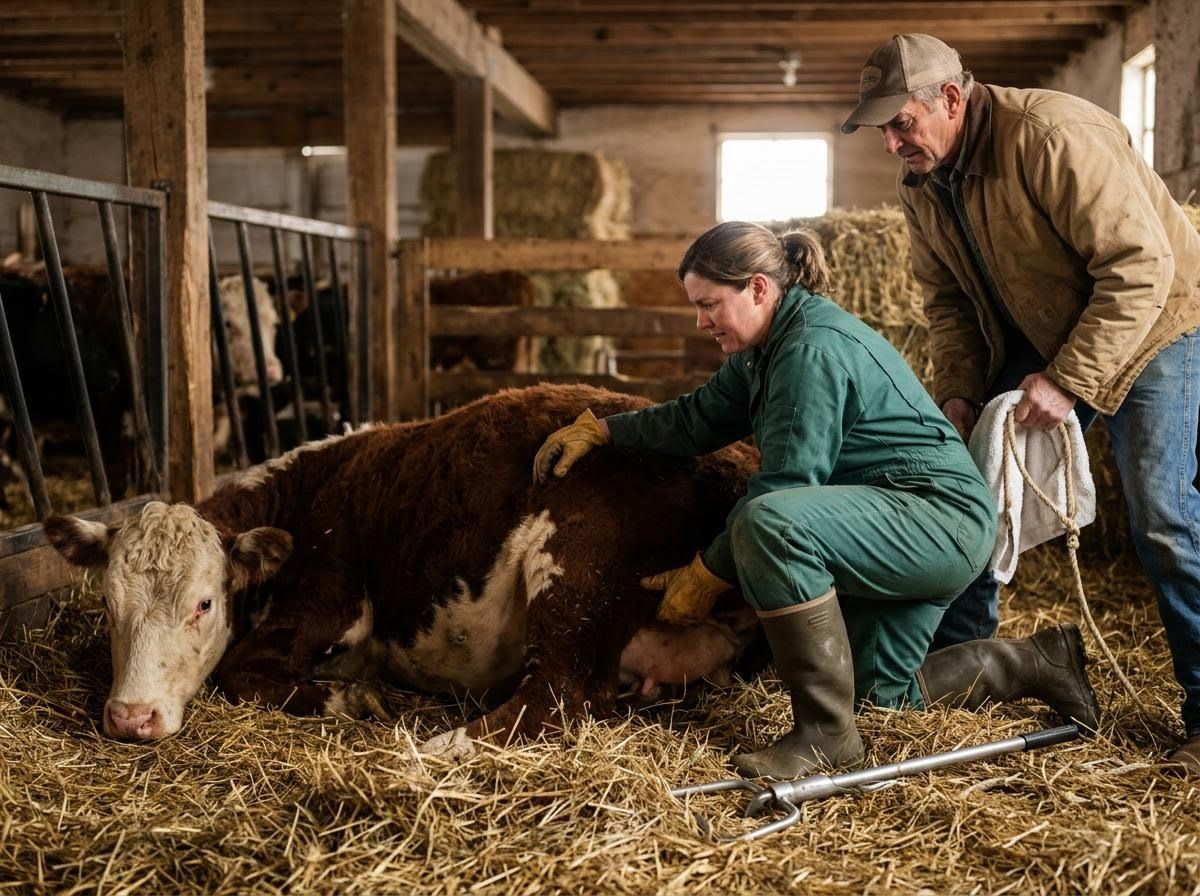
Vigilant observation during calving is your best tool for early detection. Several indicators signal that a cow may be experiencing dystocia and requires intervention. Look for prolonged labor without progress; for instance, if a cow has been actively straining for 30-60 minutes without the appearance of the calf's feet or head, or if the second stage of labor (active pushing) extends beyond 2 hours without a calf being delivered. Other critical signs include the presence of an abnormal discharge, a foul odor, or if the cow appears exhausted and stops straining altogether. Additionally, if you observe only one foot or a tail presented, this indicates a malpresentation requiring expert correction.
When Immediate Veterinary Intervention is Crucial
Timeliness is everything when dealing with calving emergencies. If you notice any of the warning signs mentioned, it's vital to contact a veterinarian without delay. Specifically, you should call if:
The cow has been straining forcefully for 30 minutes without any part of the calf appearing.
The calf's nose and two front feet are not visible within two hours of the water sac breaking.
The cow exhibits signs of severe pain, shock, or exhaustion.
You observe an abnormal presentation (e.g., only a head, only a tail, or hind legs first).
Your initial attempts at assistance (if you are experienced and qualified to do so) are unsuccessful, or you encounter resistance that cannot be easily overcome.Delaying veterinary assistance can lead to increased risk of injury or death for both the dam and calf, and can also impact the dam's future reproductive performance.
Maintaining a Proactive Approach to Calving Season
Successful calving outcomes often hinge on preparedness, keen observation, and knowing precisely when to call for professional assistance. Understanding the signs of dystocia and acting swiftly not only improves the chances of survival for both the cow and calf but also minimizes potential long-term complications. At Carter Veterinary Services, we are dedicated to supporting your herd's health and productivity. For more detailed information on managing calving season and preventing emergencies, please consider reviewing our resources on livestock reproductive health.