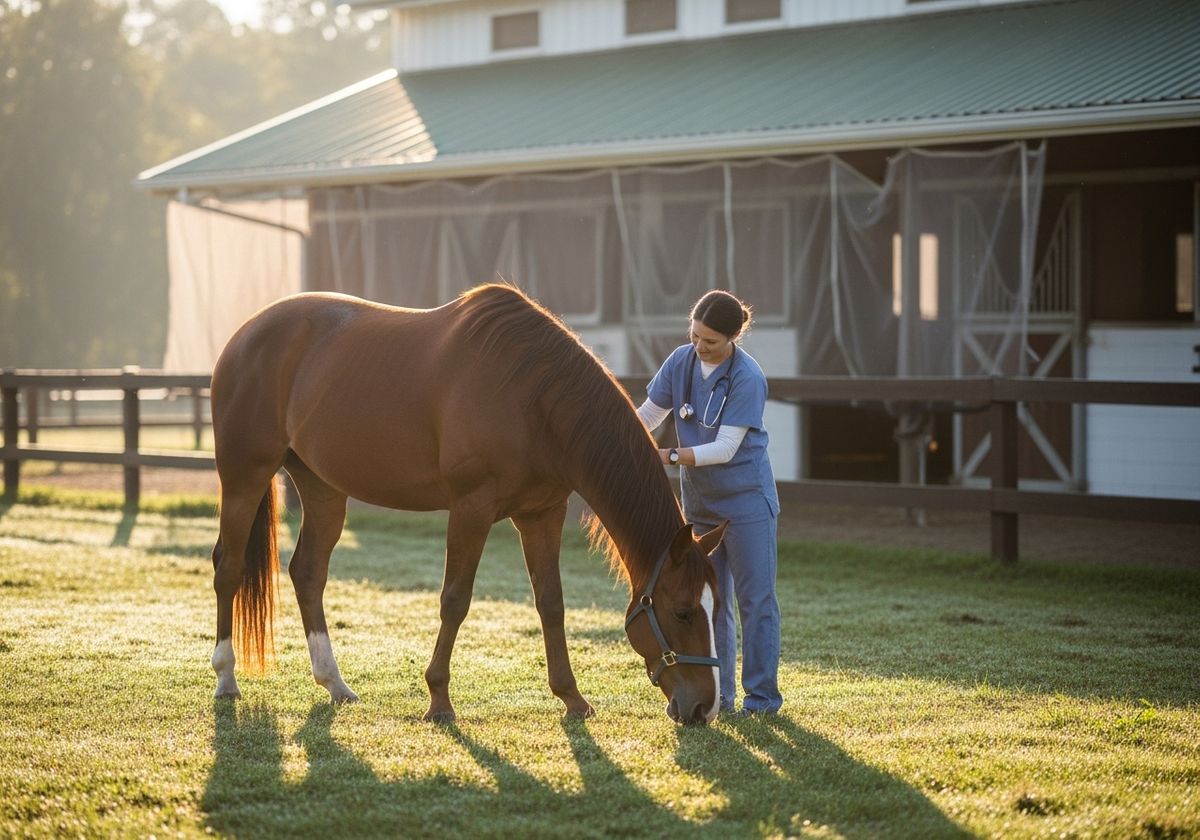
As we approach warmer weather, it's crucial for horse owners in the Lowcountry and beyond to stay informed and proactive about protecting their animals from West Nile Virus (WNV). This mosquito-borne disease can have serious, even fatal, consequences for equines. Implementing a comprehensive prevention strategy is the best way to safeguard your horse's health and well-being.
Understanding West Nile Virus
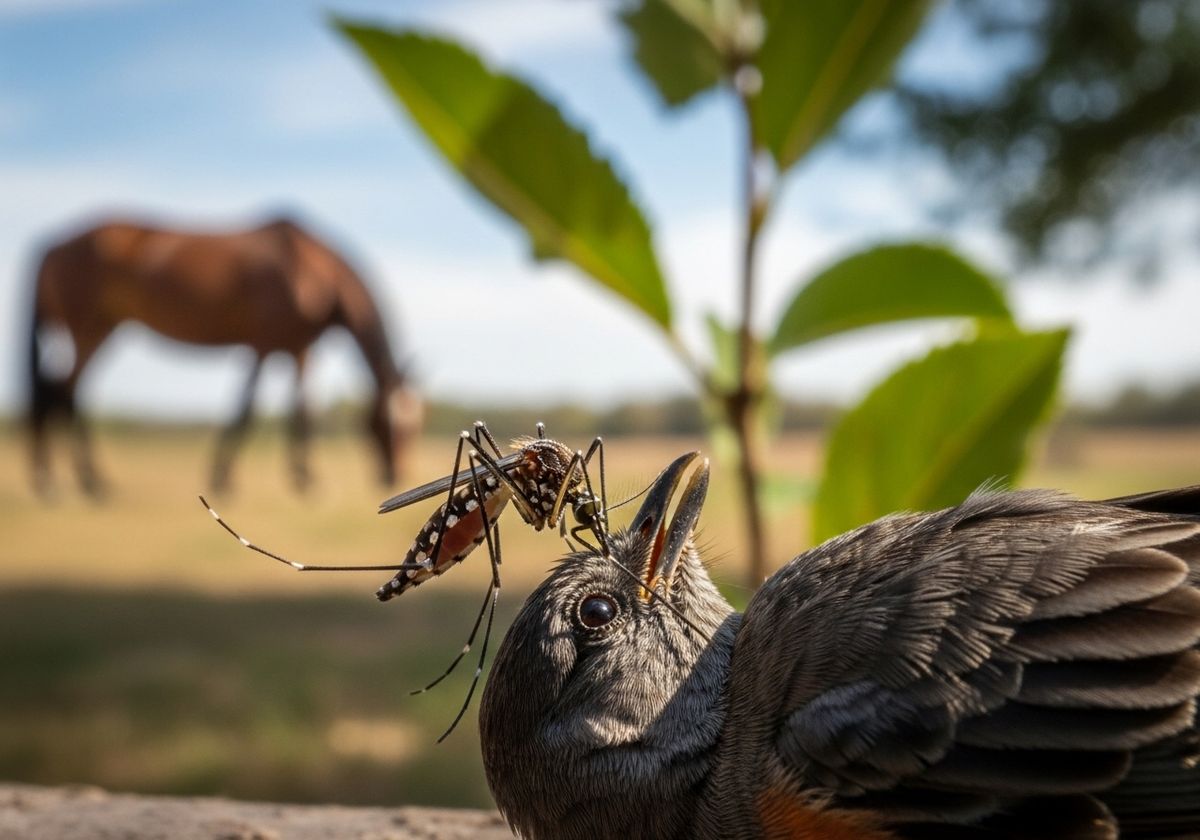
West Nile Virus is transmitted through the bite of infected mosquitoes, which acquire the virus by feeding on infected birds. Horses are considered "dead-end" hosts, meaning they can contract the virus but do not typically spread it to other animals or humans. The virus can cause inflammation of the brain and spinal cord, leading to a range of neurological symptoms.
Vaccination
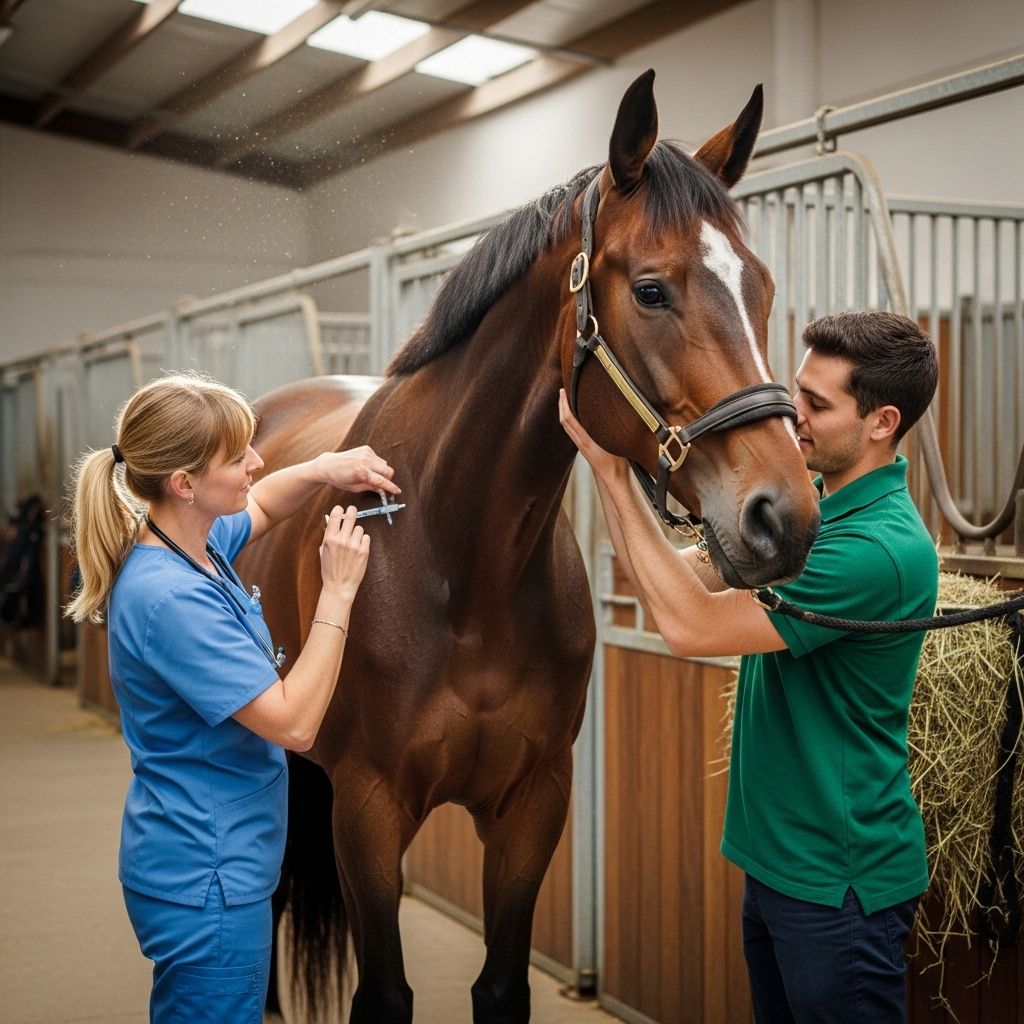
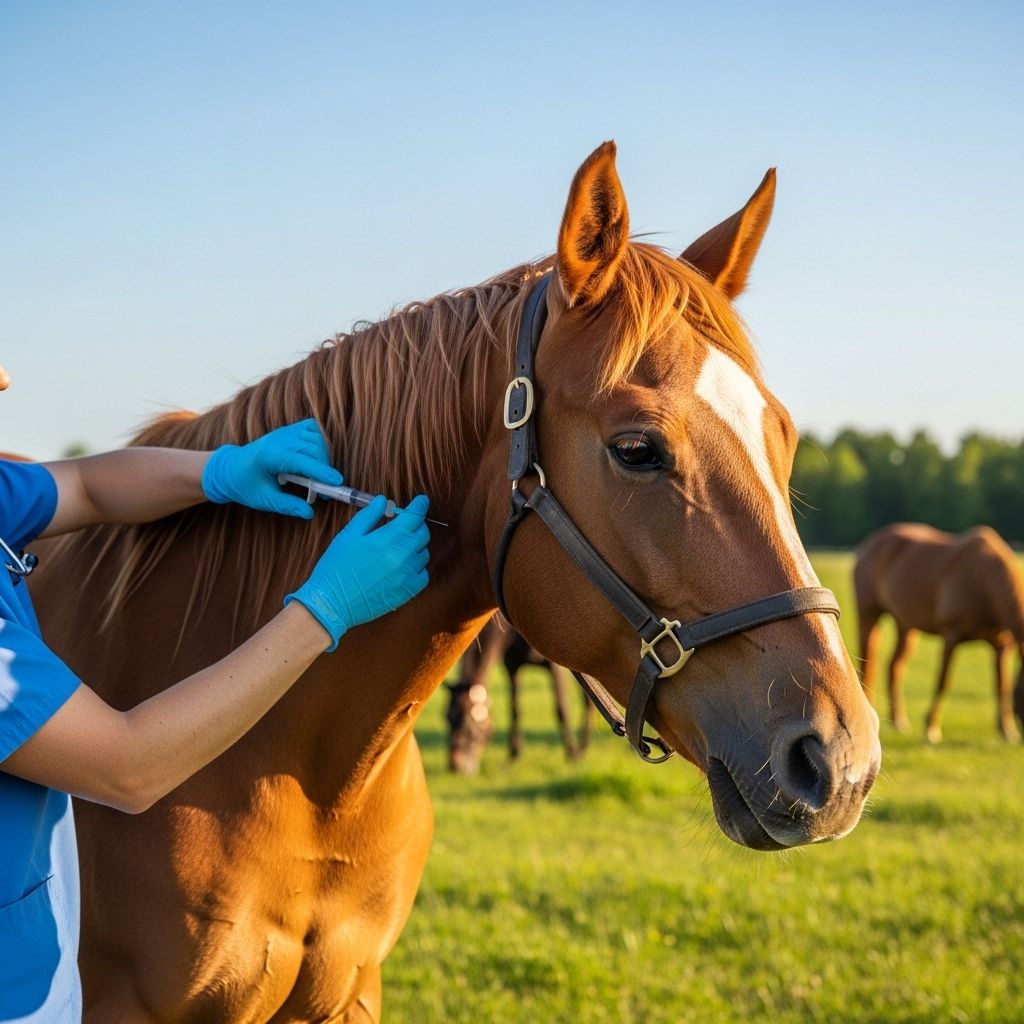
Vaccination is the cornerstone of WNV prevention. Consult with your vet in Savannah about the appropriate vaccination schedule for your horse. Generally, an initial series of vaccinations is followed by annual boosters to maintain immunity. Keep in mind that even vaccinated horses aren't 100% protected, so integrating other prevention methods is important.
Mosquito Control
Reducing mosquito populations and minimizing your horse's exposure to mosquitoes is crucial. Consider these strategies:
Eliminate Breeding Grounds: Remove standing water sources around your property, such as old tires, buckets, and clogged gutters. Mosquitoes breed in stagnant water, so eliminating these areas can significantly reduce their numbers.
Use Insecticides: Apply equine-safe insecticides to your horse's coat, following label instructions carefully. Consider using mosquito traps or foggers in and around the barn, but ensure proper ventilation and safety precautions.
Protective Gear: Use mosquito nets or screens in stables to prevent mosquitoes from entering. Fly sheets and masks can also provide a physical barrier against mosquito bites when horses are outdoors.
Timing: Limit your horse's exposure during peak mosquito activity times, which are typically dawn and dusk. If possible, keep horses indoors during these times.
Monitoring and Early Detection
Regularly observe your horse for any signs of illness, such as fever, weakness, incoordination, muscle tremors, or changes in behavior. If you notice any of these symptoms, contact your large animal veterinarian immediately. Early diagnosis and treatment can improve the chances of a positive outcome.
The Role of Your Large Animal Vet
Your large animal veterinarian plays a vital role in protecting your horse from WNV. They can provide guidance on appropriate vaccination protocols, mosquito control strategies, and early detection methods. Regular veterinary checkups are essential for maintaining your horse's overall health and well-being.
Equine Disease Prevention Through Nutrition
Optimal nutrition is key to supporting your horse's immune system and overall health. Work with your veterinarian or an equine nutritionist to develop a balanced diet that meets your horse's individual needs. A healthy diet can enhance your horse's ability to fight off infections, including WNV.
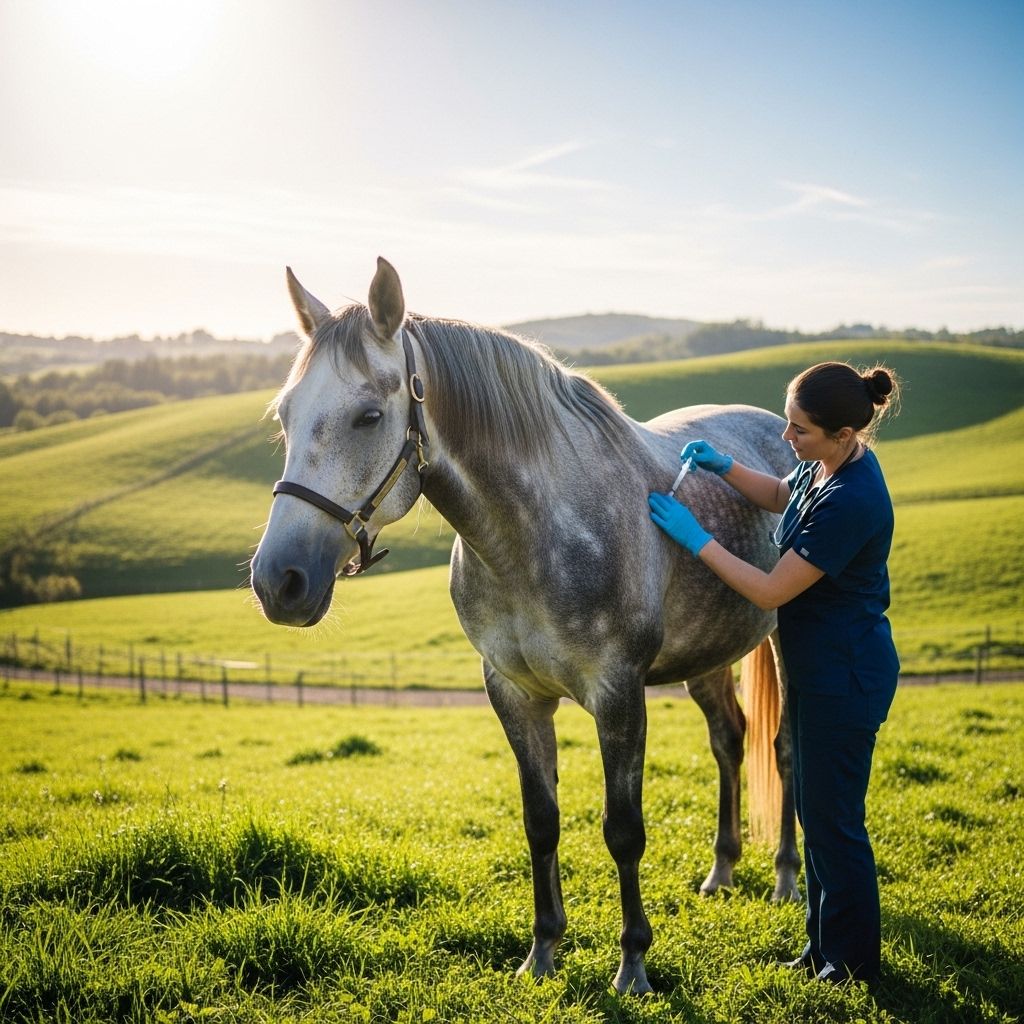
Protecting your horse from West Nile Virus requires a proactive and comprehensive approach. Vaccination, mosquito control, and vigilant monitoring are all essential components of an effective prevention plan. By working closely with your veterinarian and implementing these strategies, you can significantly reduce your horse's risk of contracting this potentially devastating disease. Remember, prevention is always better than cure, and taking these steps now can help ensure your equine companion's health and well-being. For more information on equine disease prevention and comprehensive large animal care in the Lowcountry, contact Carter Veterinary Services today.