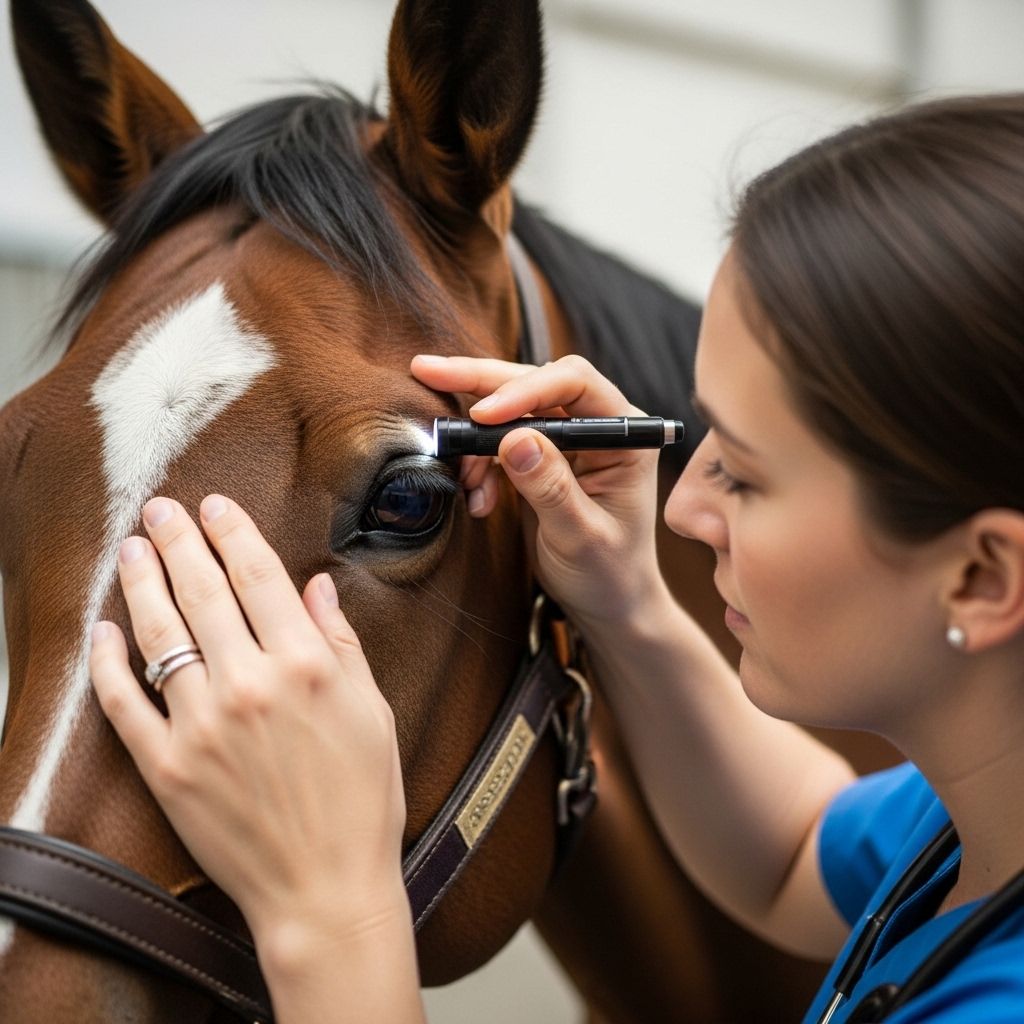
As dedicated providers of equine and large animal veterinary services in the Lowcountry, Carter Veterinary Services understands the challenges our region presents to animal health. Eye issues in horses can range from minor irritations to serious conditions that threaten vision. This guide provides valuable information about common equine eye problems and how to address them.
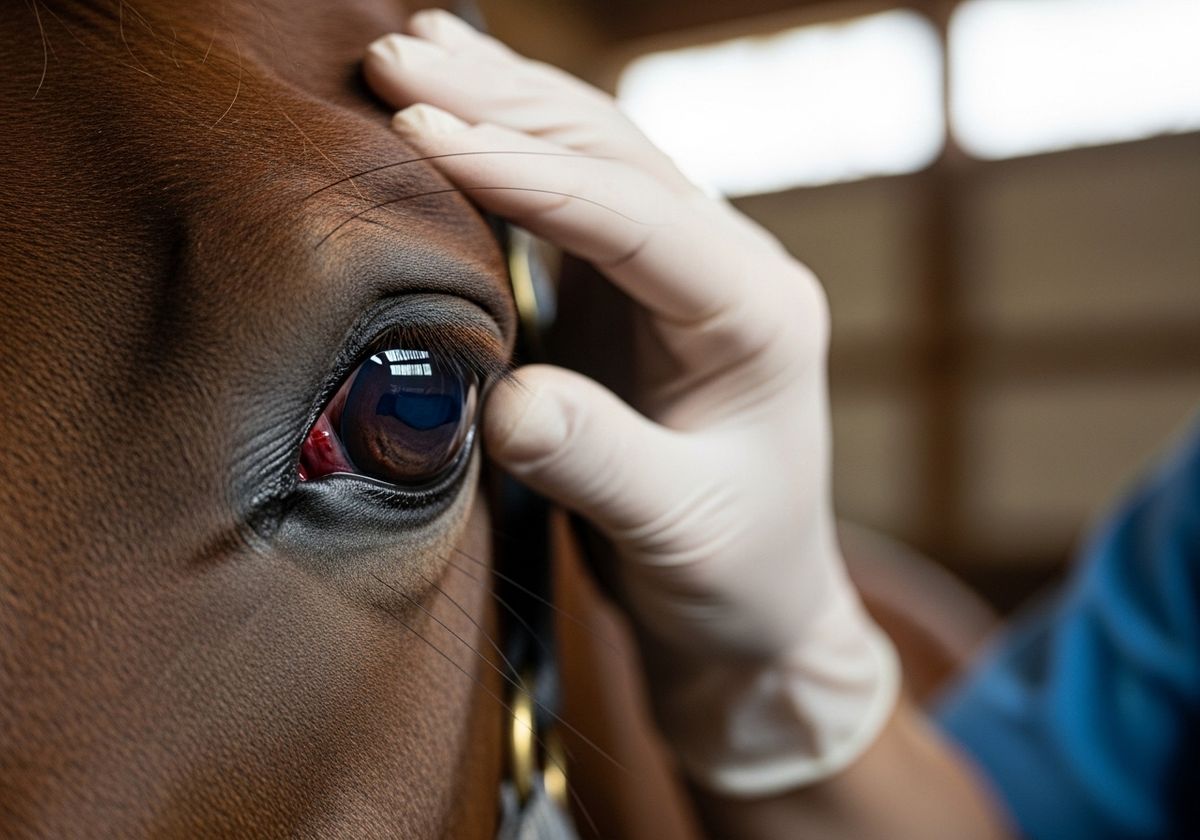
Common Equine Eye Issues in the Lowcountry
Living in the Lowcountry, horses face specific environmental challenges that can impact their eyes. These include:
Conjunctivitis (Pinkeye): Inflammation of the conjunctiva, often caused by bacteria, viruses, or allergies. Symptoms include redness, swelling, and discharge.
Corneal Ulcers: Open sores on the cornea, frequently resulting from trauma, foreign objects, or infections. These are painful and require prompt treatment to prevent complications.
Uveitis (Moon Blindness): Inflammation of the inner eye structures, which can be triggered by infections, parasites, or immune-mediated diseases. Recurrent uveitis can lead to vision loss.
Cataracts: Clouding of the lens, which impairs vision. Cataracts can be congenital or develop due to age, trauma, or other underlying conditions.
Glaucoma: Increased pressure inside the eye, damaging the optic nerve. Glaucoma can result in blindness if left untreated.
Equine Recurrent Uveitis (ERU): Also known as moon blindness, this is the most common cause of blindness in horses. It's an autoimmune disease that causes inflammation within the eye.
Prevention Strategies
Preventing eye issues is key to maintaining your horse's health and vision. Consider these tips:
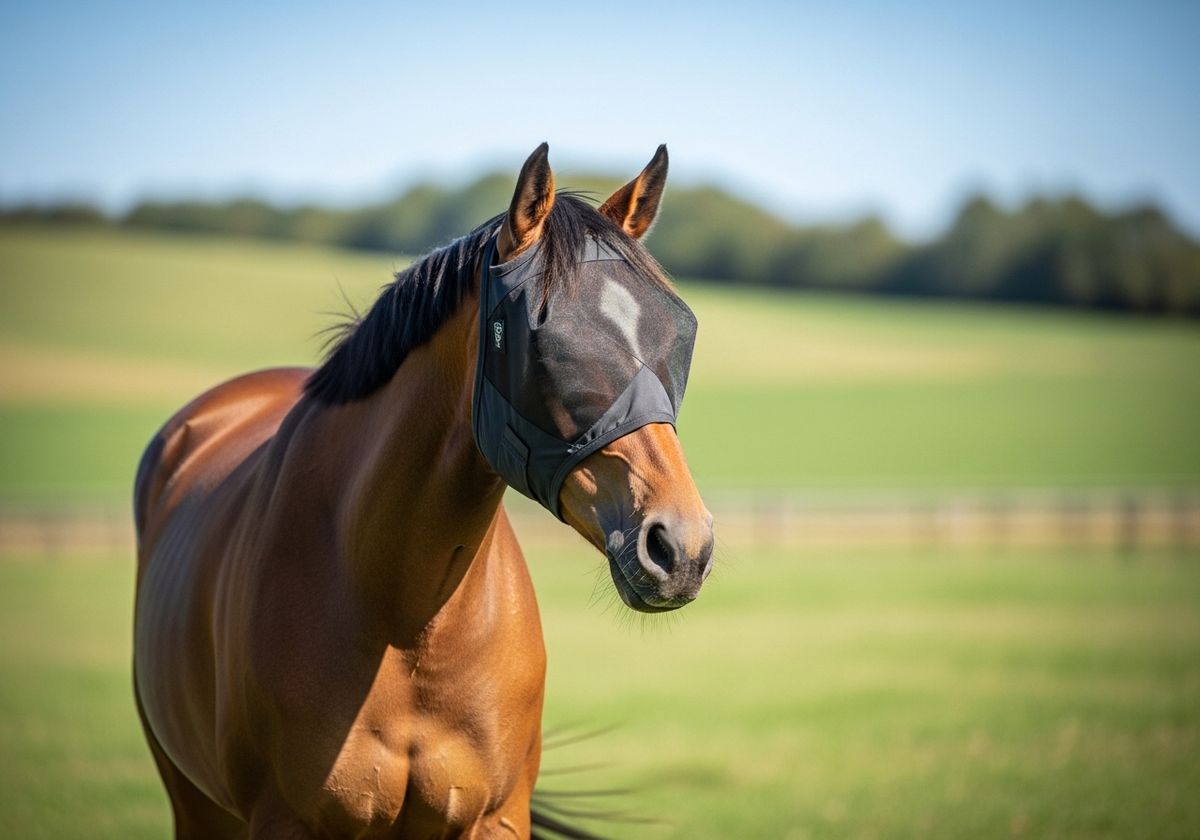
Fly Control: Implement effective fly control measures, such as fly sprays, sheets, and masks, to reduce irritation and the spread of infections.
Pasture Management: Remove debris and hazards from pastures to minimize the risk of corneal trauma.
Regular Checkups: Schedule routine veterinary exams to detect early signs of eye problems. Early intervention can significantly improve outcomes.
Proper Nutrition: Ensure your horse receives a balanced diet with adequate vitamins and minerals to support overall health and immune function.
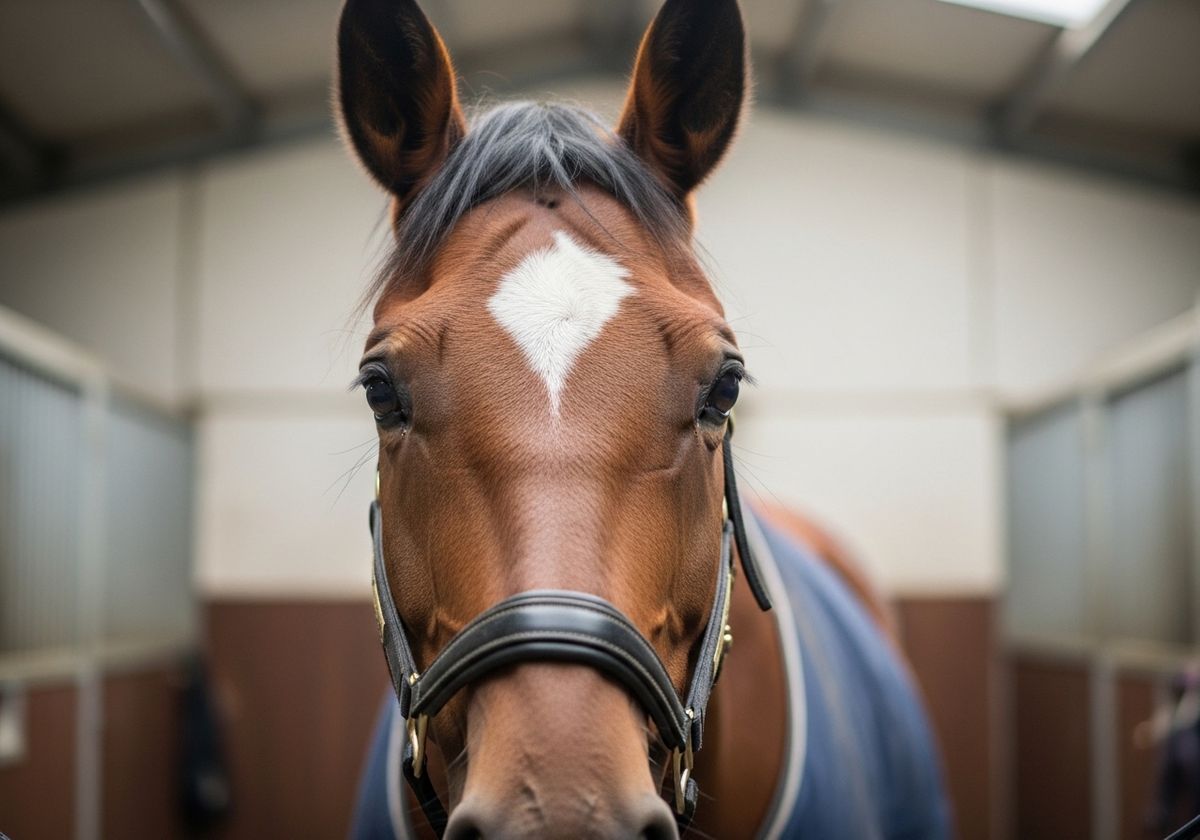
Recognizing Symptoms
Early detection of eye problems is crucial. Be vigilant and watch for these signs:
Squinting or excessive tearing
Swelling or redness around the eye
Discharge from the eye
Cloudiness or changes in eye color
Sensitivity to light
Rubbing the eye on objects
Head Shyness
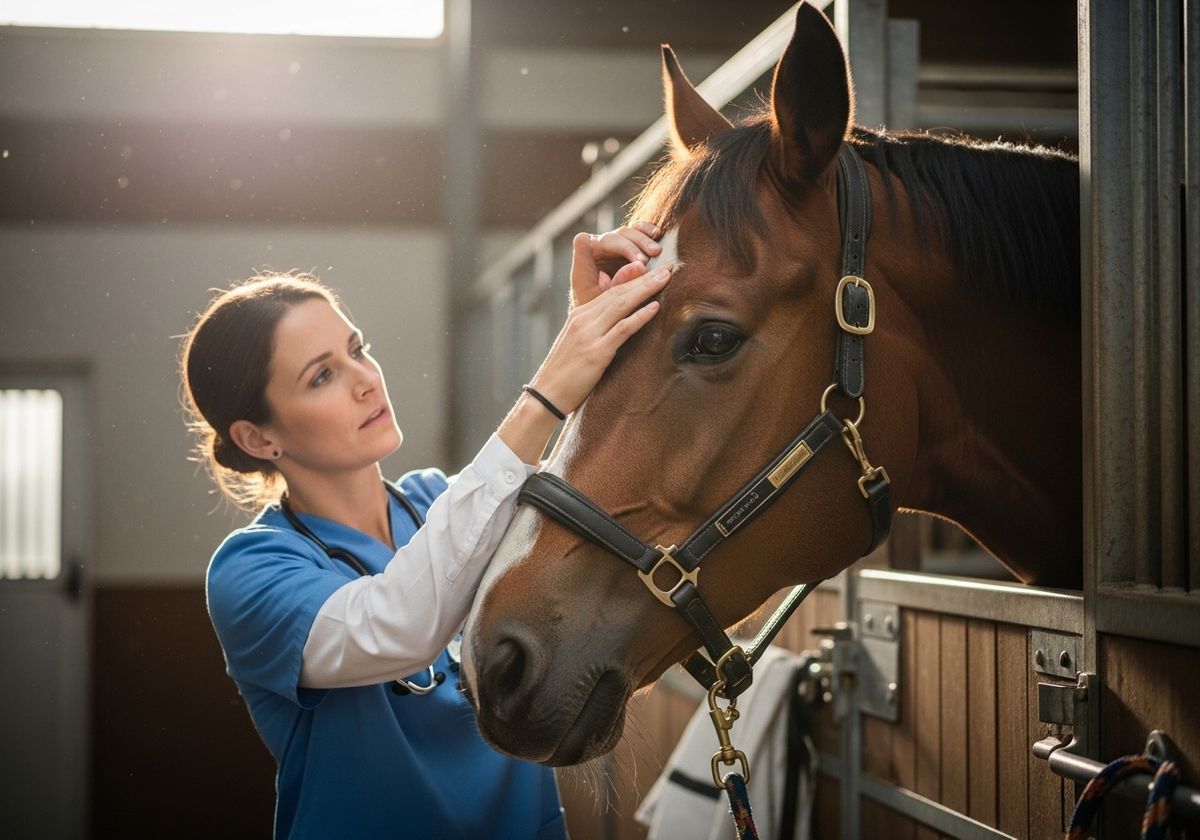
When to Call Your Equine Vet in Savannah
If you observe any of the above symptoms, contact your large animal veterinarian immediately. Prompt diagnosis and treatment are essential to prevent further damage and vision loss. Some conditions, such as corneal ulcers and uveitis, can worsen rapidly if left untreated.
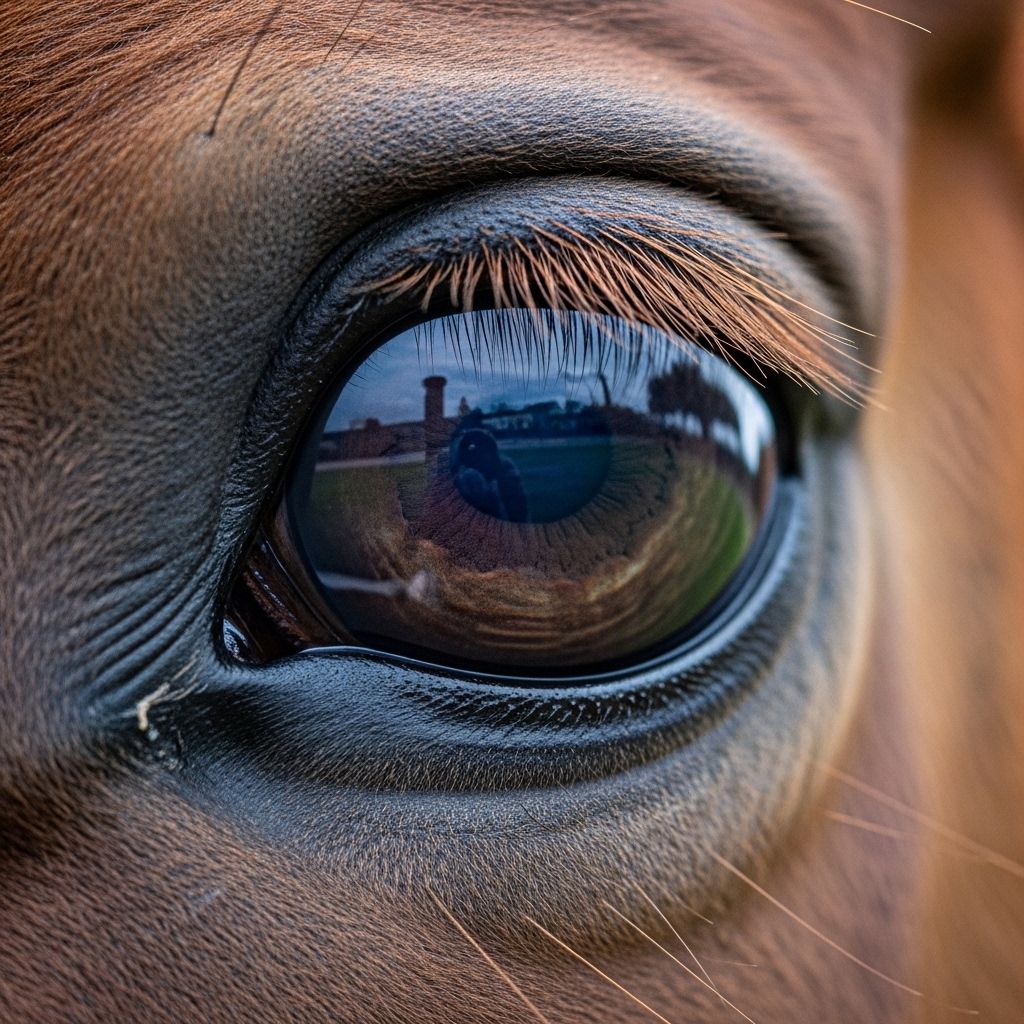
Treatment Options
Treatment for equine eye issues depends on the underlying cause and severity. Options may include:
Medications: Antibiotics, antifungals, or antiviral drugs to combat infections. Anti-inflammatory medications to reduce swelling and pain.
Topical Treatments: Eye drops or ointments to deliver medication directly to the affected area.
Surgery: In some cases, surgery may be necessary to remove cataracts, repair corneal damage, or address other structural problems.
Integrative Therapies: Complementary therapies, such as acupuncture and herbal remedies, may help manage pain and inflammation.
Taking a proactive approach to equine eye care is essential for preserving your horse's vision and quality of life. By understanding the common eye issues in the Lowcountry, implementing preventive measures, and seeking prompt veterinary attention when needed, you can help your equine companion maintain healthy eyes for years to come. Remember, Carter Veterinary Services is here to support you with knowledgeable, experienced, and passionate care. Contact us today to schedule a checkup or learn more about our comprehensive equine services, including equine disease prevention, and how we can help your animals thrive.