
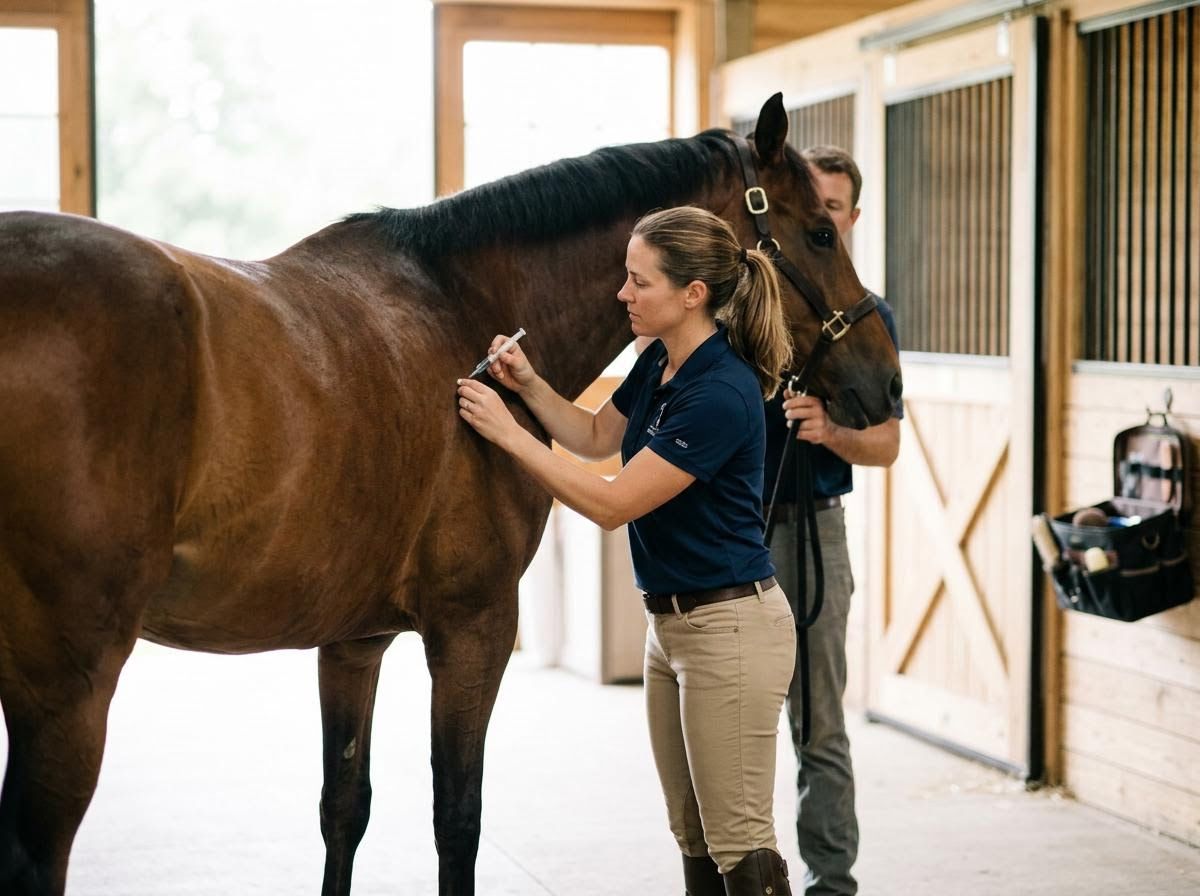
Ensuring the health and well-being of your equine companion is a top priority, and a cornerstone of preventative care is a robust vaccination schedule. Just like humans, horses are susceptible to a variety of diseases that can be severe, debilitating, or even fatal if left unprotected. At Carter Veterinary Services, we believe that understanding the "what" and "when" of equine vaccinations empowers horse owners to make informed decisions for their beloved animals' long-term health. This comprehensive guide will illuminate the essential vaccines, helping you navigate the pathway to optimal equine health.
Core Vaccinations: The Foundation of Protection
Core vaccinations are recommended for all horses, regardless of their geographic location, lifestyle, or use. These vaccines protect against diseases that are endemic to a region, are zoonotic (transmissible to humans), or pose a significant public health risk. The American Association of Equine Practitioners (AAEP) identifies five core vaccines: Tetanus, Eastern and Western Equine Encephalomyelitis (EEE/WEE), West Nile Virus (WNV), and Rabies. Tetanus, caused by a ubiquitous bacterium, can be fatal, making annual vaccination crucial. EEE/WEE and WNV are mosquito-borne diseases that affect the central nervous system, often with devastating consequences. Rabies, also invariably fatal, can be transmitted to humans and other animals, making its prevention paramount. Annual boosters are typically recommended for these vital protections.
Risk-Based Vaccinations: Tailoring Care to Individual Needs
Beyond the core vaccines, there are several risk-based, or elective, vaccinations that your horse may need depending on factors such as age, travel frequency, exposure to other horses, and regional disease prevalence. These include protection against Equine Herpesvirus (EHV, also known as Rhinopneumonitis), Equine Influenza, Strangles, Potomac Horse Fever, and Botulism. For instance, horses that frequently travel to shows, events, or boarding facilities with high horse turnover are at greater risk of exposure to respiratory diseases like EHV and Influenza, warranting regular vaccination. Similarly, horses in areas prone to Potomac Horse Fever outbreaks might require this specific vaccine. Discussing your horse's unique situation with a veterinary professional is key to developing a personalized risk-based vaccination plan.
Understanding the Equine Vaccination Schedule
Vaccination schedules are not one-size-fits-all and vary based on a horse's age and health status. Foals require a series of initial vaccinations to establish immunity, often starting at around 4-6 months of age, followed by boosters. Adult horses typically receive annual boosters for core vaccines, and often semi-annual or even quarterly boosters for some risk-based vaccines, depending on the disease challenge. Pregnant mares may receive specific vaccinations in the last trimester to transfer protective antibodies to their foals through colostrum. It's important to remember that vaccines are most effective when administered correctly and within the recommended timelines. Deviating from the schedule can compromise your horse's immunity and leave them vulnerable.
A well-planned vaccination strategy is a crucial component of holistic equine health management, safeguarding your horse against preventable diseases and contributing to their overall vitality and longevity. By understanding the core and risk-based vaccines, and adhering to a carefully developed schedule, you provide your equine companion with the best possible protection. For a comprehensive review of your horse's vaccination needs and to develop a tailored preventative health program, please contact Carter Veterinary Services to schedule a consultation with our experienced team.