
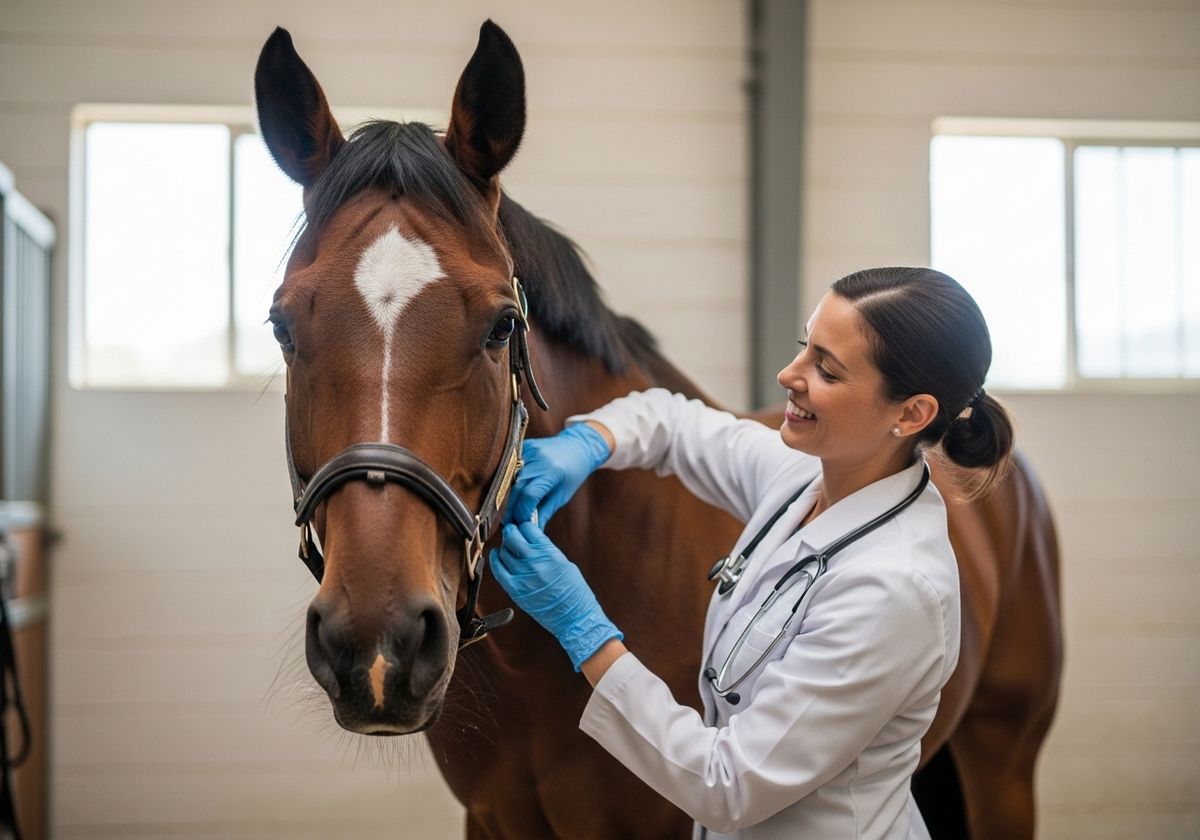
Equine influenza is a highly contagious respiratory disease that can significantly impact your horse's health and performance. If you own horses in the Lowcountry, understanding how to protect your equine companion from this virus is crucial. Let's explore effective strategies for equine disease prevention and management.
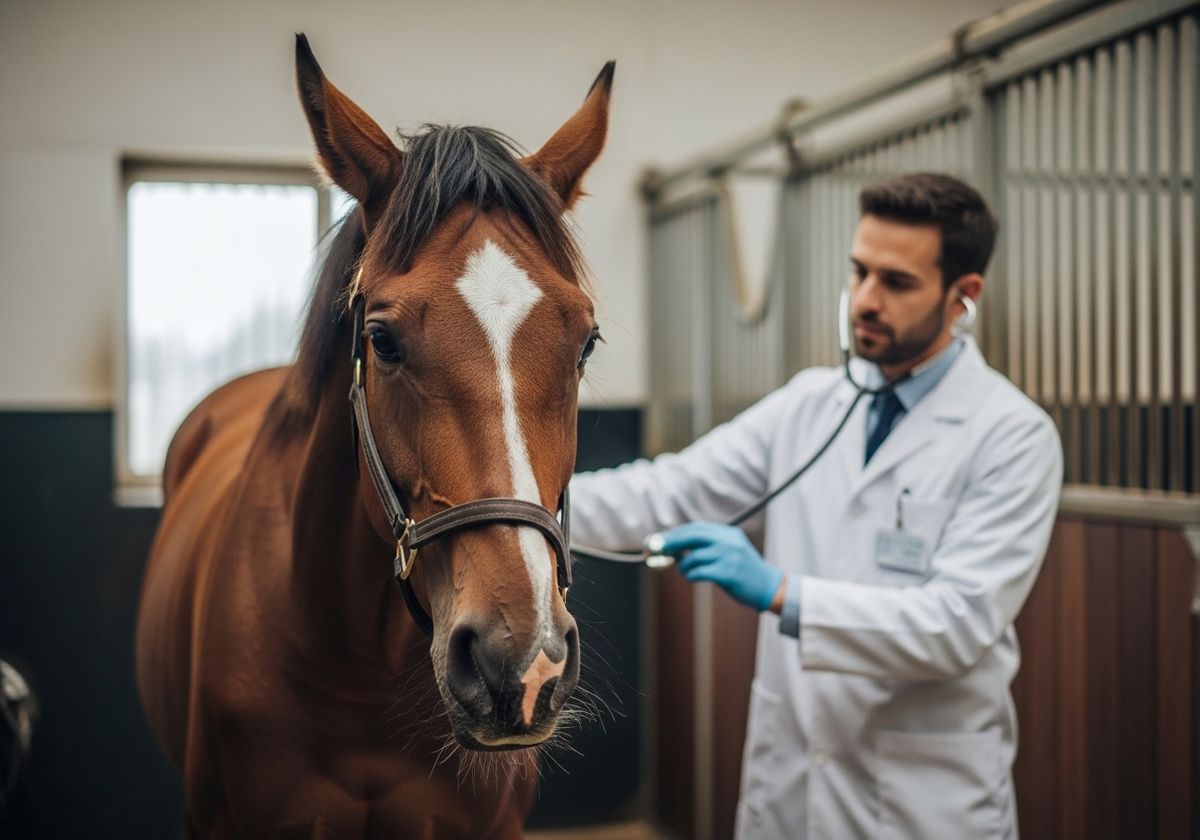
Understanding Equine Influenza
Equine influenza, commonly known as the flu, is caused by the equine influenza virus. It spreads rapidly through direct contact, airborne droplets, and contaminated surfaces. Horses of all ages are susceptible, but young horses and those with weakened immune systems are particularly vulnerable. Symptoms can include fever, coughing, nasal discharge, loss of appetite, and lethargy. In severe cases, it can lead to complications such as pneumonia.
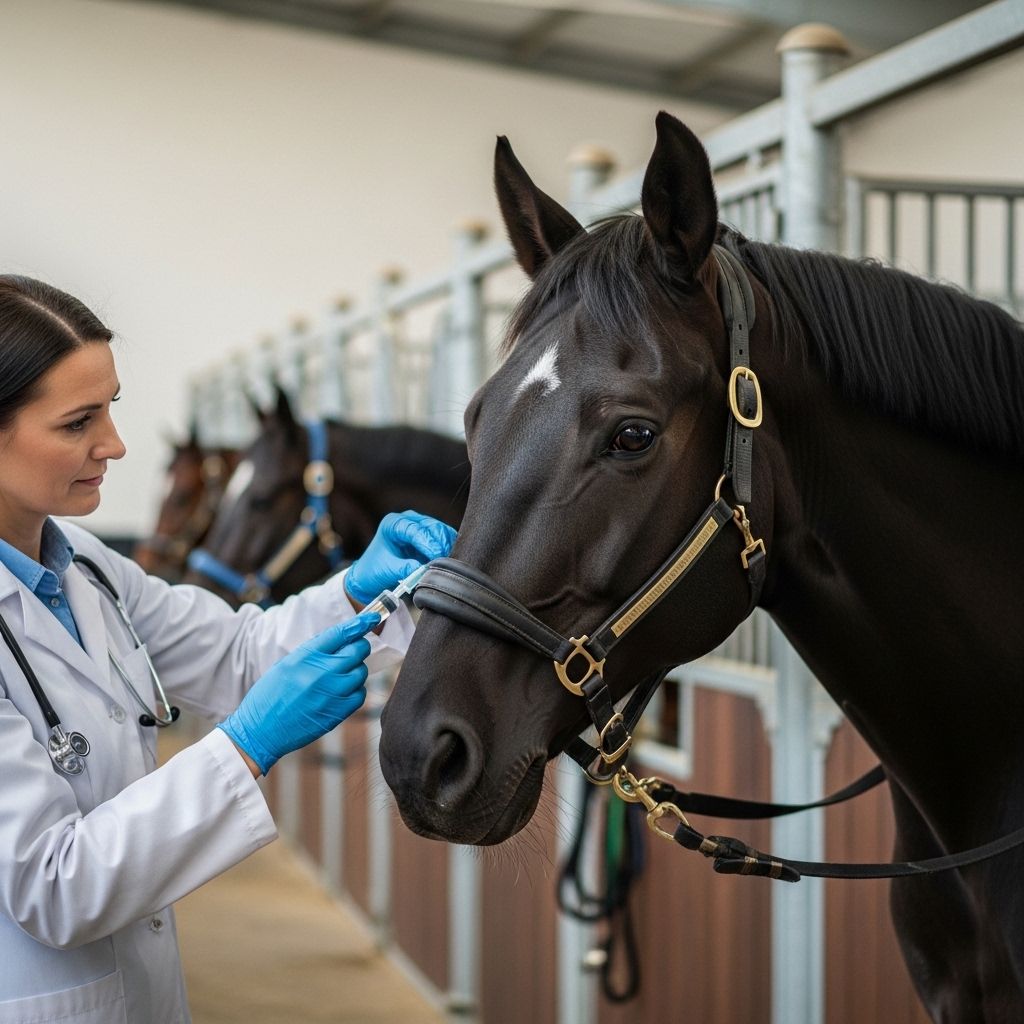
Vaccination: A Key Line of Defense
Vaccination is the most effective way to protect your horse from equine influenza. Always consult with your vet to develop a vaccination schedule tailored to your horse's individual needs and risk factors. Regular boosters are essential to maintain immunity, especially for horses that travel frequently or are exposed to other horses at shows or events.
Implementing Biosecurity Measures
Biosecurity practices play a vital role in preventing the spread of equine influenza. Here are some key measures to implement:
Quarantine: Isolate new horses arriving at your farm for at least two weeks to monitor for any signs of illness.
Hygiene: Practice good hygiene by regularly cleaning and disinfecting shared equipment, stalls, and water troughs.
Minimize Contact: Reduce direct contact between horses, especially during outbreaks.
Ventilation: Ensure proper ventilation in stables to minimize the concentration of airborne virus particles.
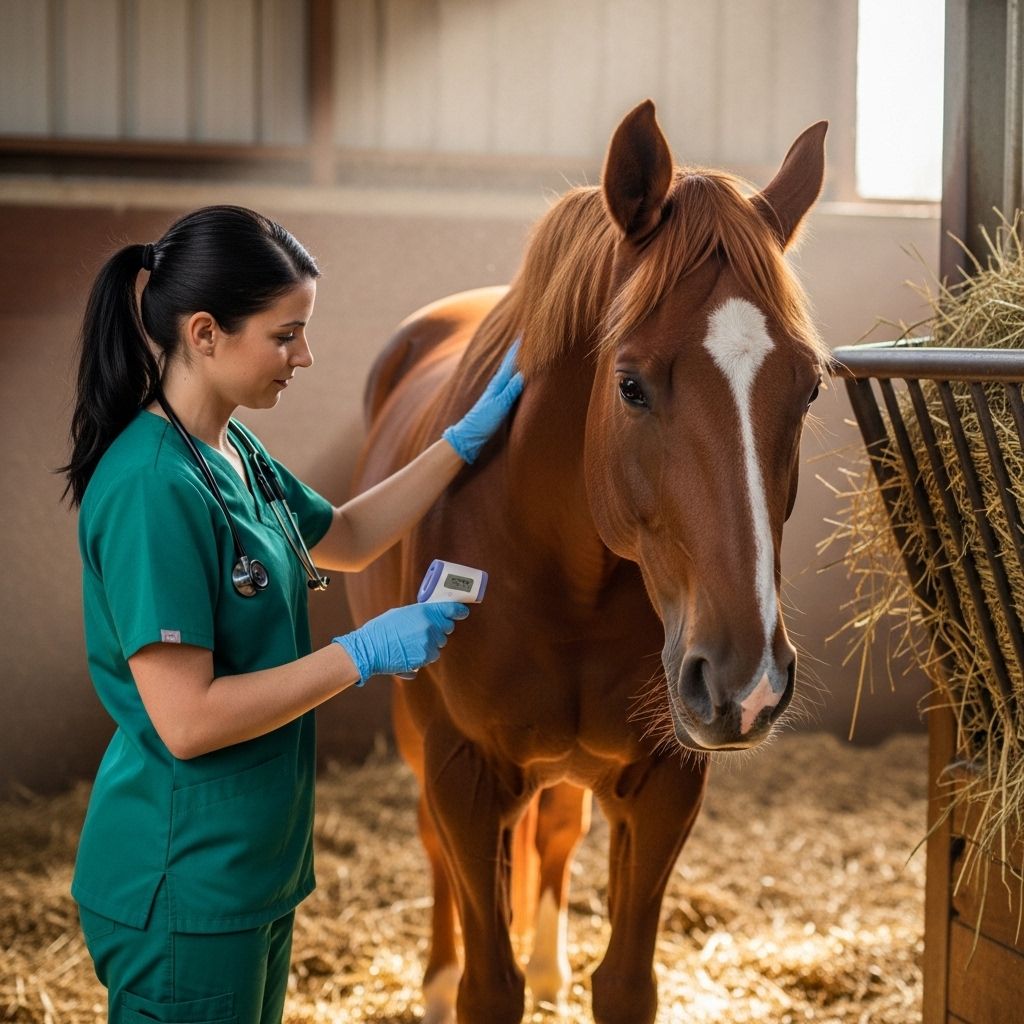
Monitoring Horse Health
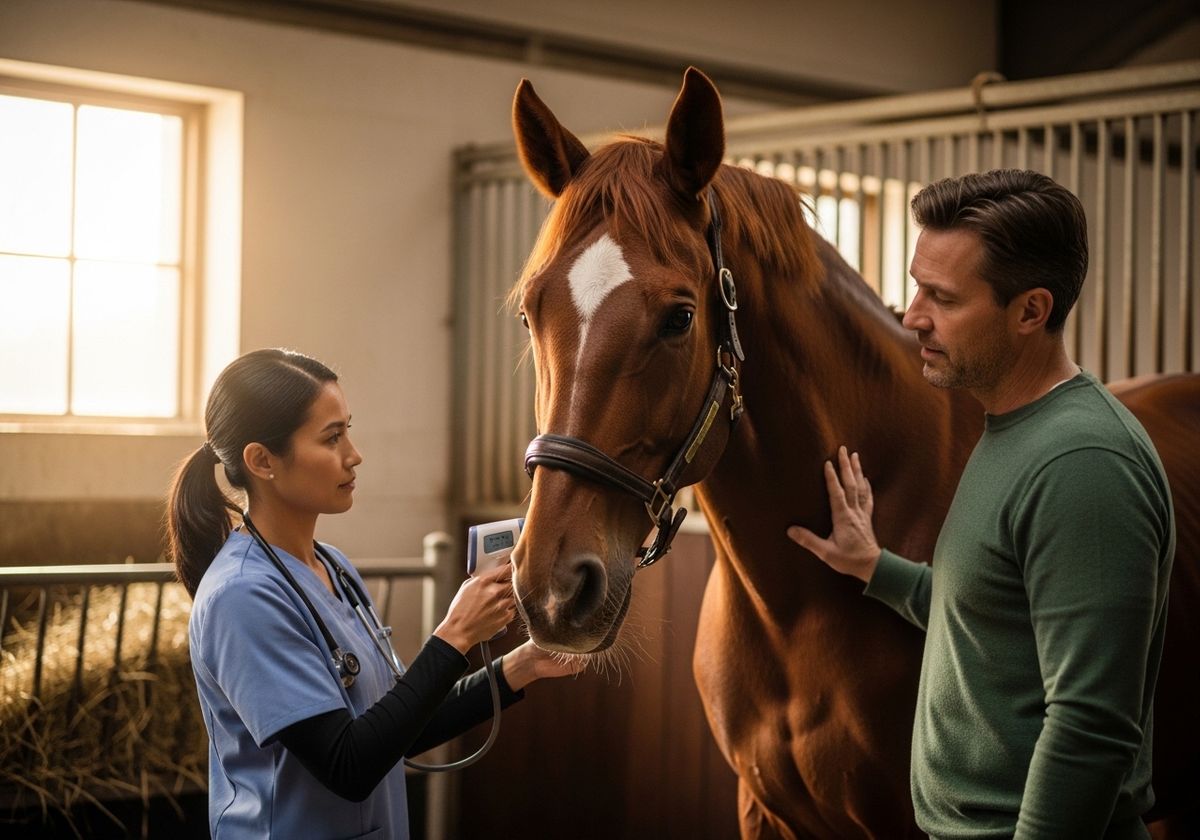
Regularly monitor your horse's health for any signs of illness. Take daily temperature readings and observe their behavior and appetite. If you suspect your horse has equine influenza, isolate them immediately and contact your large animal veterinarian for diagnosis and treatment.
By understanding the risks of equine influenza and implementing these preventive measures, you can significantly reduce your horse's risk of contracting this disease. Remember, early detection and prompt veterinary care are crucial for managing equine influenza outbreaks and minimizing their impact.
Protecting your horse's health requires a comprehensive approach that includes vaccination, biosecurity, and regular veterinary care. At Carter Veterinary Services, our knowledgeable, experienced, and passionate team is dedicated to providing exceptional care for your equine companions. Contact us today to learn more about our equine disease prevention programs and how we can help you keep your horses healthy and thriving. For routine checkups or if you have any concerns about your horse's health, please reach out to schedule an appointment. Stay informed and proactive to ensure the well-being of your beloved animals.