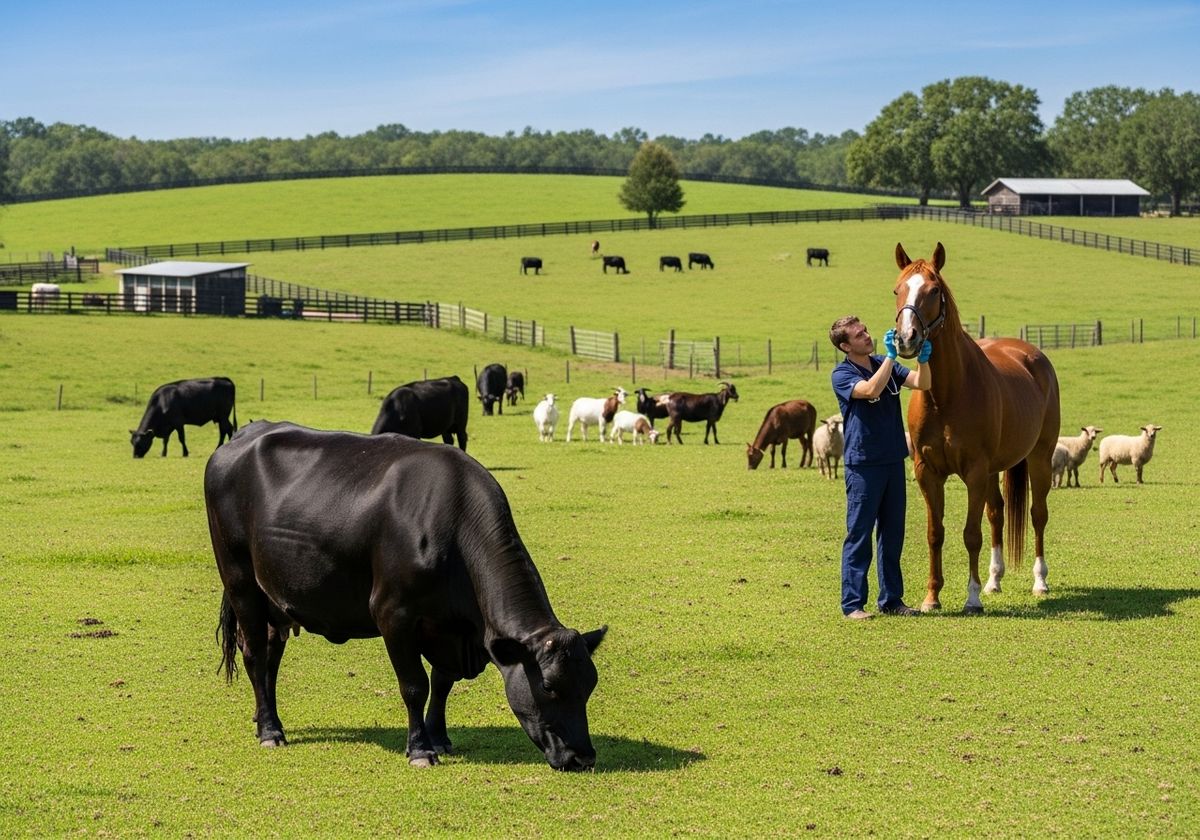
As stewards of the land and caretakers of livestock, Lowcountry farmers face different challenges in maintaining the health and well-being of their large animals. From the humid climate to the specific regional diseases, understanding these common health concerns is crucial for ensuring the productivity and longevity of your animals.
Parasite Management
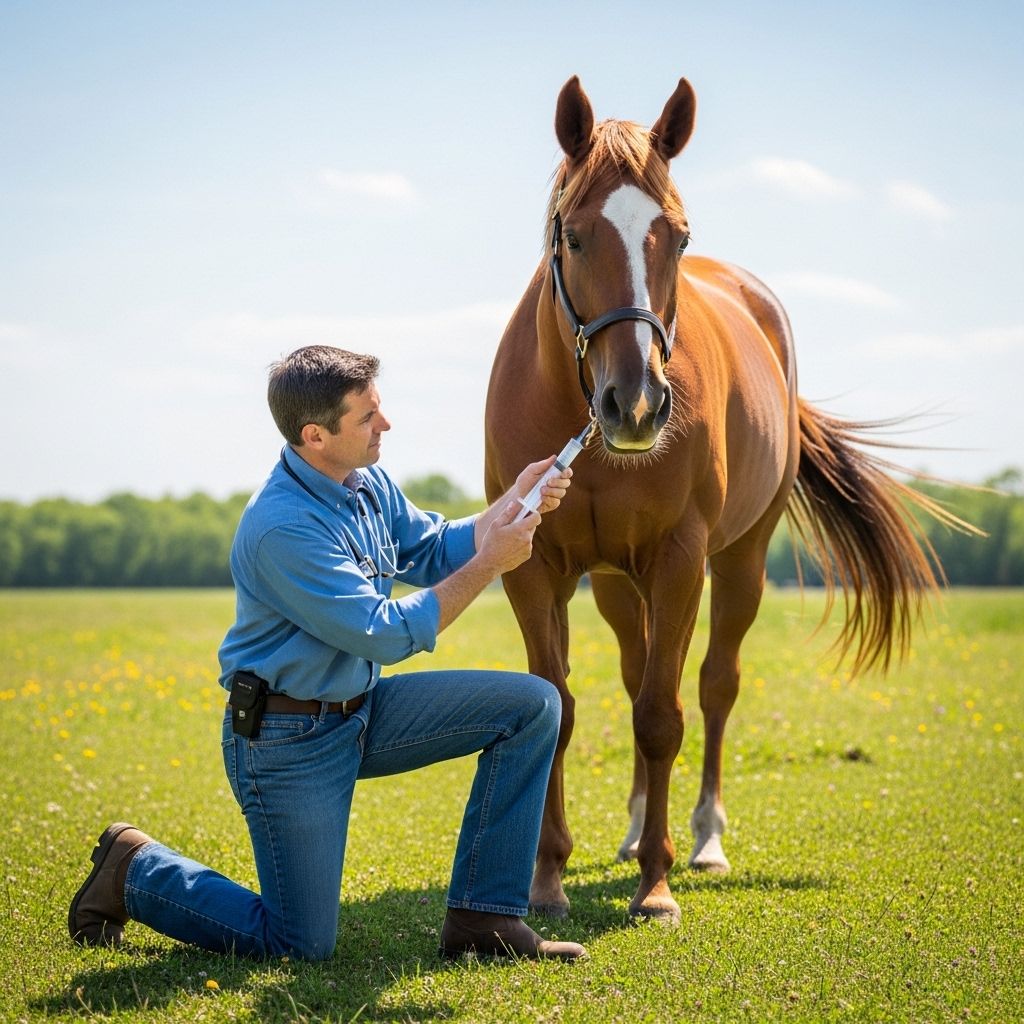
Parasites thrive in warm, moist environments, making the Lowcountry an ideal breeding ground. Internal parasites like roundworms, lungworms, and tapeworms can significantly impact the health of cattle, horses, and other livestock. These parasites can lead to decreased weight gain, poor coat condition, and reduced overall performance. Regular deworming programs, strategic grazing practices, and fecal egg counts are essential for effective parasite management.
Equine Dental Care
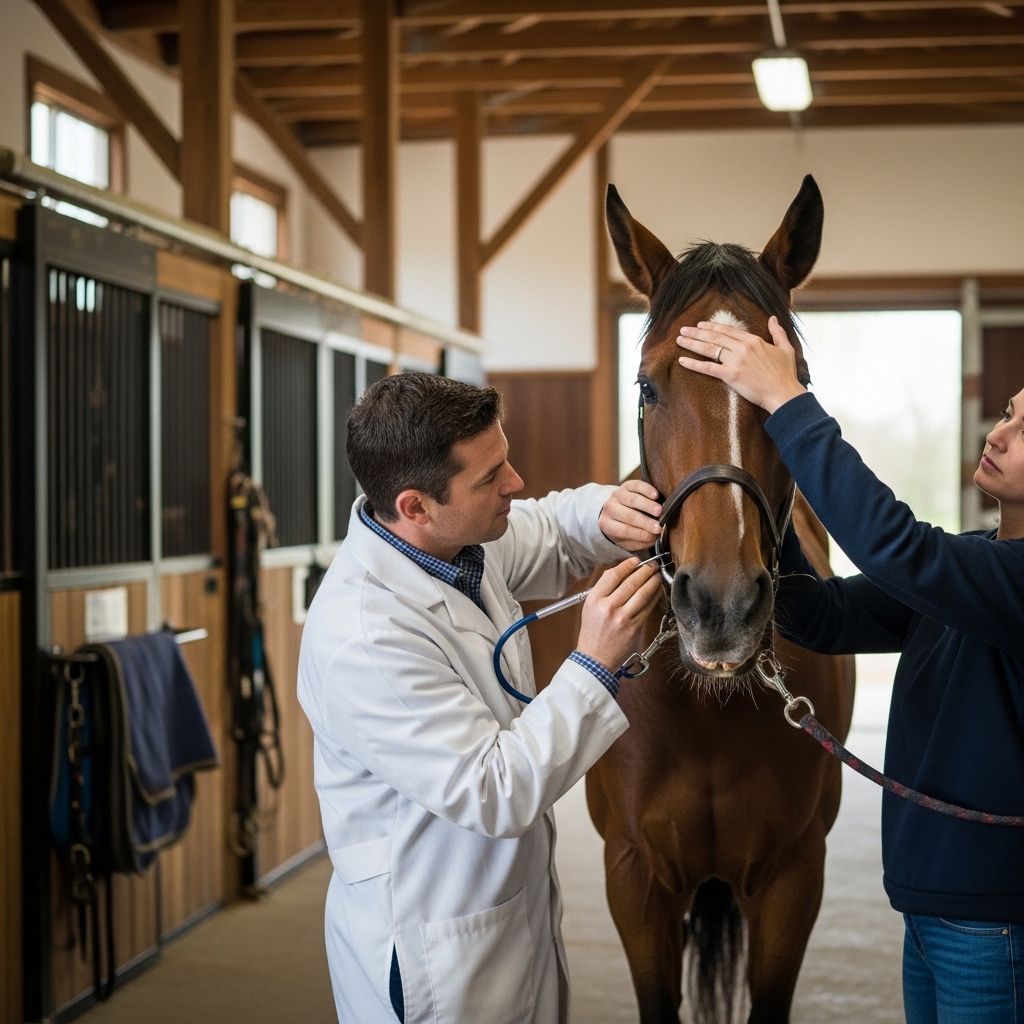
Proper dental care is crucial for horses of all ages. Issues such as sharp enamel points, uneven wear, and retained caps can cause discomfort, difficulty chewing, and even colic. Regular floating (filing down sharp points) by an experienced equine vet in Savannah ensures proper mastication, optimal nutrient absorption, and prevents more serious health problems. A thorough dental examination should be part of your horse's annual health check.
Hoof Care and Lameness
The health of an animal's hooves directly impacts its mobility and overall well-being. Lameness is a common issue in large animals, often stemming from hoof abscesses, injuries, or infections like foot rot. Regular hoof trimming, maintaining a clean environment, and prompt treatment of any signs of lameness are crucial. Consulting with a large animal veterinarian for lameness evaluations and corrective shoeing can help prevent chronic problems.
Equine Disease Prevention
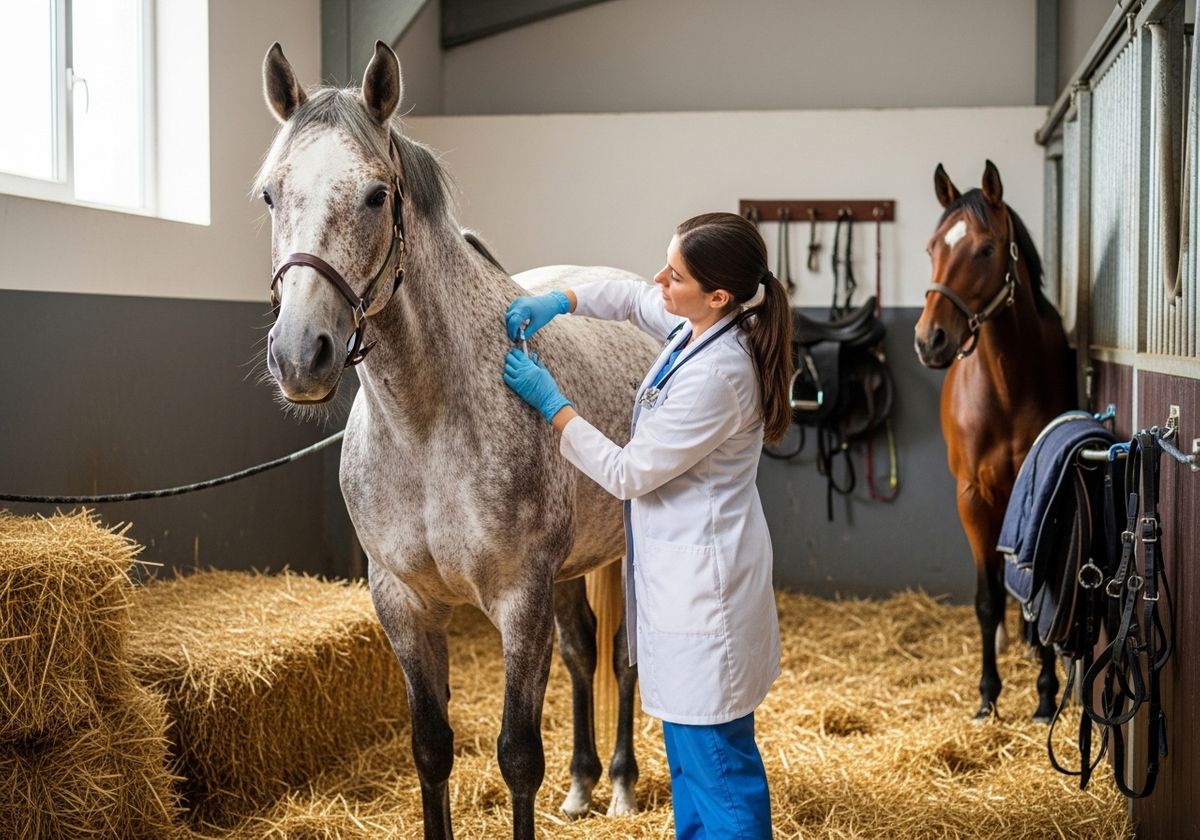
Prevention is always better than cure when it comes to equine diseases. Vaccinations against diseases like West Nile Virus, Eastern Equine Encephalitis (EEE), Western Equine Encephalitis (WEE), rabies, and tetanus are vital for protecting your horses. Regular deworming and proper biosecurity measures, such as quarantining new arrivals, also play a significant role in disease prevention.
Nutritional Imbalances
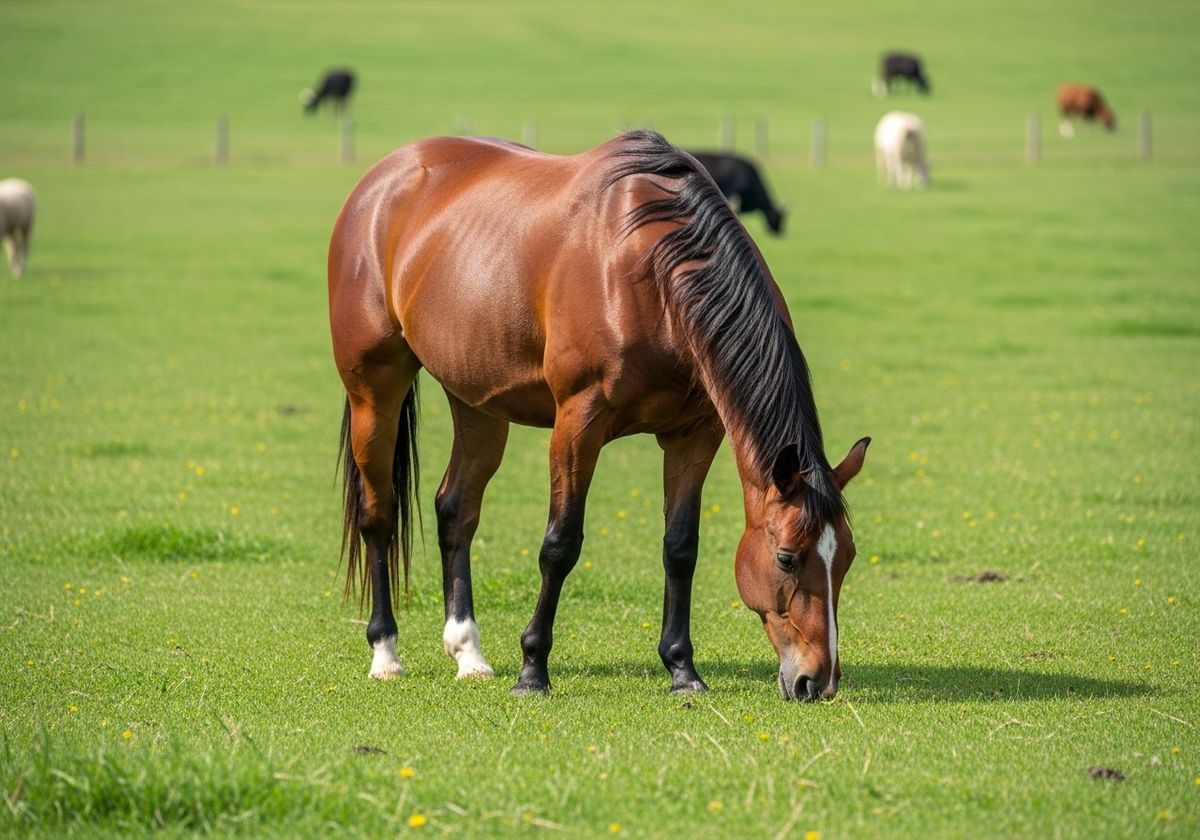
Providing a balanced diet is essential for the health and productivity of large animals. Nutritional deficiencies or imbalances can lead to a variety of health problems, including poor growth, weakened immune systems, and reproductive issues. Working with a livestock nutritionist or your Lowcountry livestock vet to formulate a diet that meets the specific needs of your animals is highly recommended.
Emergency Preparedness
Despite our best efforts, emergencies can happen. Having a plan in place for dealing with injuries, illnesses, or natural disasters is essential. Knowing how to contact your large animal veterinarian after hours, having a well-stocked first-aid kit, and having a plan for evacuating your animals in case of a tornado can make all the difference.
Addressing the common health challenges faced by Lowcountry farmers requires a proactive and comprehensive approach. From parasite management and equine dental care to hoof care, disease prevention, and nutritional balance, understanding the specific needs of your animals is paramount. At Carter Veterinary Services, our knowledgeable and passionate team is dedicated to providing exceptional veterinary services to the Lowcountry region. Contact us today to learn more about how we can help you keep your animals healthy and thriving. For more information on specific health concerns or to schedule a consultation, visit our website or give us a call.