
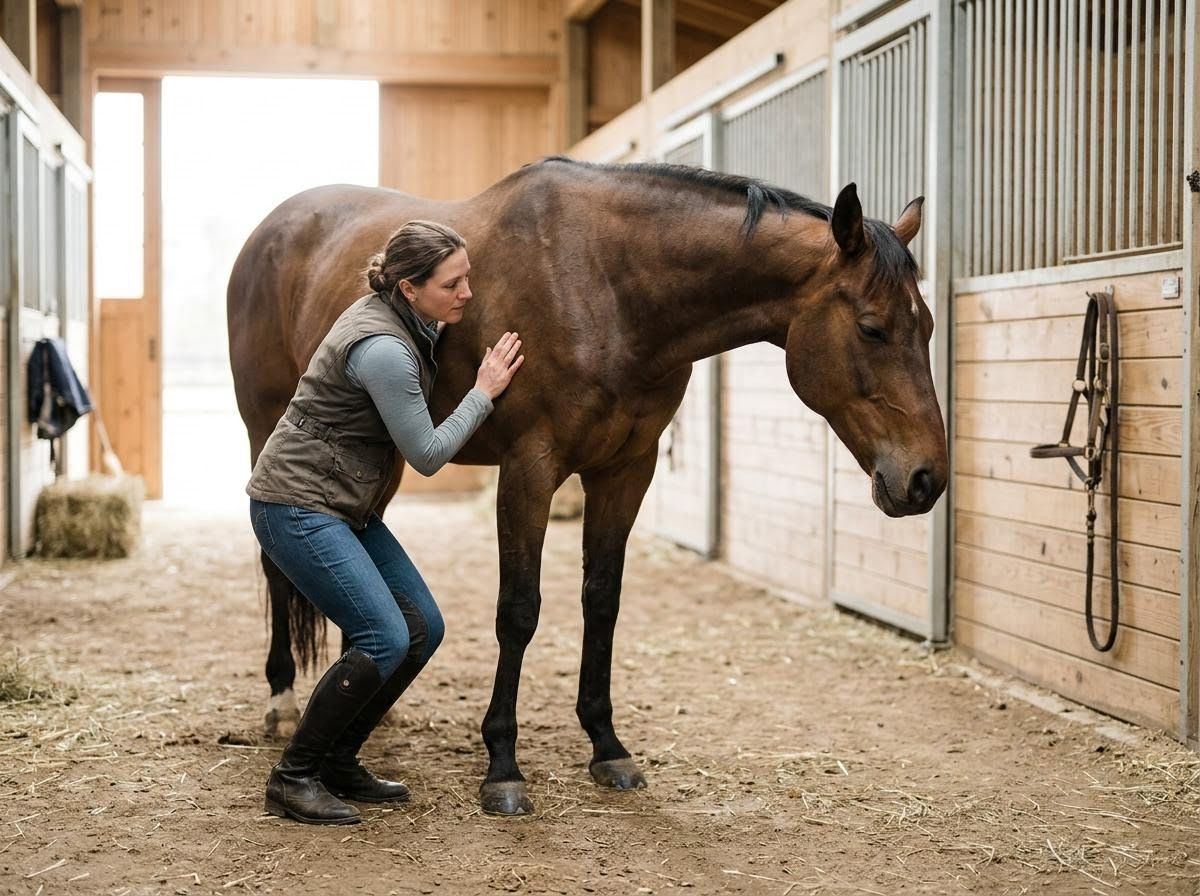
Recognizing the subtle signs that your horse may not be feeling their best is a critical skill for any horse owner. Early detection of illness can make a significant difference in treatment outcomes and overall well-being. At Carter Veterinary Services, we understand the deep bond you share with your equine companions and are committed to helping you keep them healthy. Being vigilant about changes in your horse's behavior and physical state is the first step towards timely intervention.
Observing Behavioral Shifts
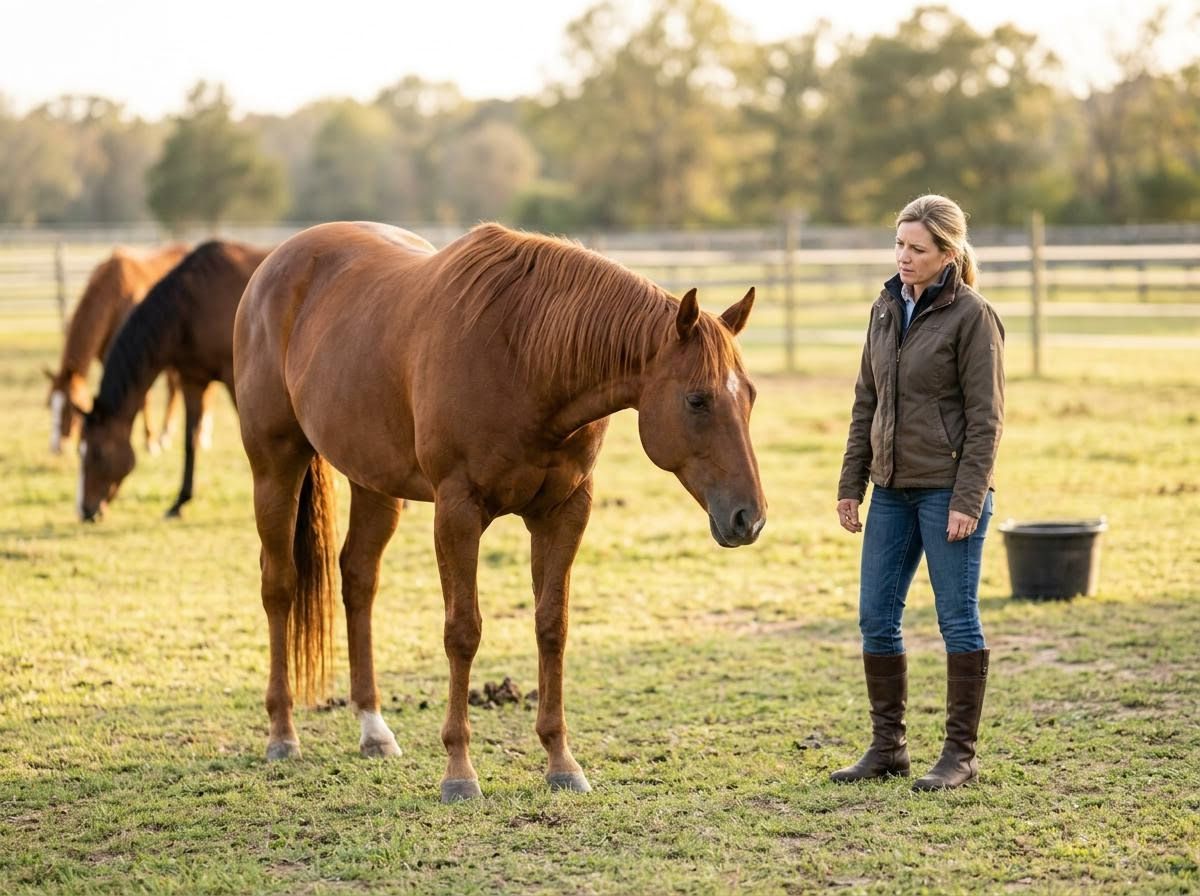
Horses are creatures of habit, and any deviation from their normal routine or temperament can be a strong indicator of underlying issues. Pay close attention to changes in their eating and drinking patterns; a sudden loss of appetite, decreased water intake, or difficulty chewing can be concerning. Watch for shifts in energy levels; a normally active horse becoming lethargic or a quiet horse suddenly restless could signal a problem. Changes in social interaction, such as isolating themselves from the herd or showing uncharacteristic aggression, also warrant investigation. Understanding these subtle cues is crucial for effective equine disease prevention.
Physical Clues and Vital Signs
Regularly monitoring your horse's physical condition is essential. Observe their coat for dullness, dryness, or excessive shedding outside of seasonal changes. Their eyes should be bright and clear, without discharge or excessive tearing. Learn to recognize their normal vital signs: temperature, pulse, and respiration. Any significant increase or decrease in these can be a red flag. Changes in manure consistency, frequency, or color, as well as altered urination patterns, can point to digestive or urinary tract issues. Additionally, an attentive owner might notice signs related to their horse's mouth, making regular equine dental care an important part of overall health.
Gait, Posture, and Lameness
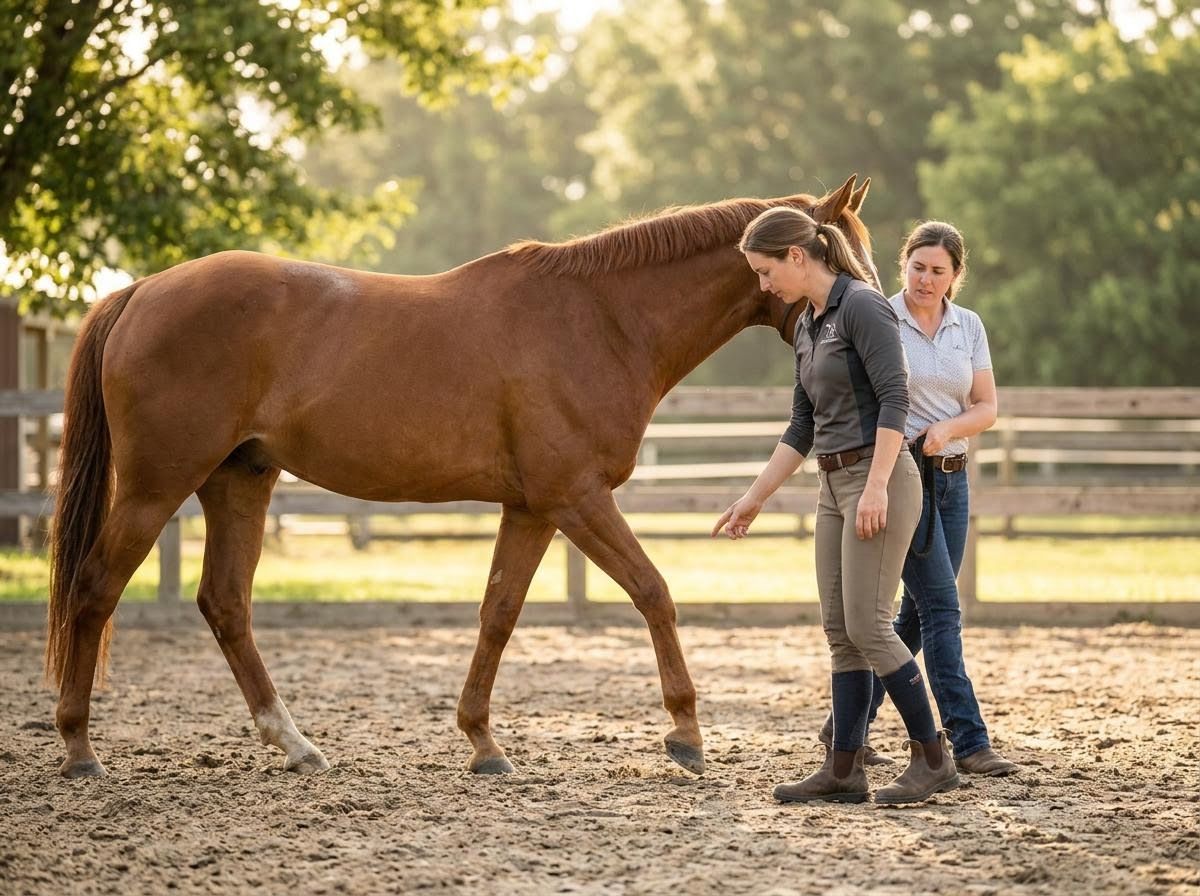
A horse's movement and posture can reveal a great deal about their health. Observe your horse walking, trotting, and standing still. Look for any unevenness in gait, stiffness, or reluctance to bear weight on a particular limb. Head bobbing, dragging toes, or unusual hoof placement can all indicate lameness. A horse standing with an unusual stance, such as constantly shifting weight, pointing a hoof, or standing in a "sawhorse" stance, might be experiencing discomfort. Early identification of these movement issues can prevent minor problems from escalating into more serious conditions requiring extensive care from a horse veterinarian.
Seeking Professional Guidance
Being attuned to your horse's daily habits and physical state empowers you to act quickly when something seems amiss. While these observations are invaluable, they are only the first step. When you notice any concerning signs, it's always best to consult with an experienced large animal vet. Our dedicated team at Carter Veterinary Services offers comprehensive equine veterinary services, and we are here to support you in ensuring your horse receives the best possible care. For more information on maintaining your horse's health, contact our team today.