
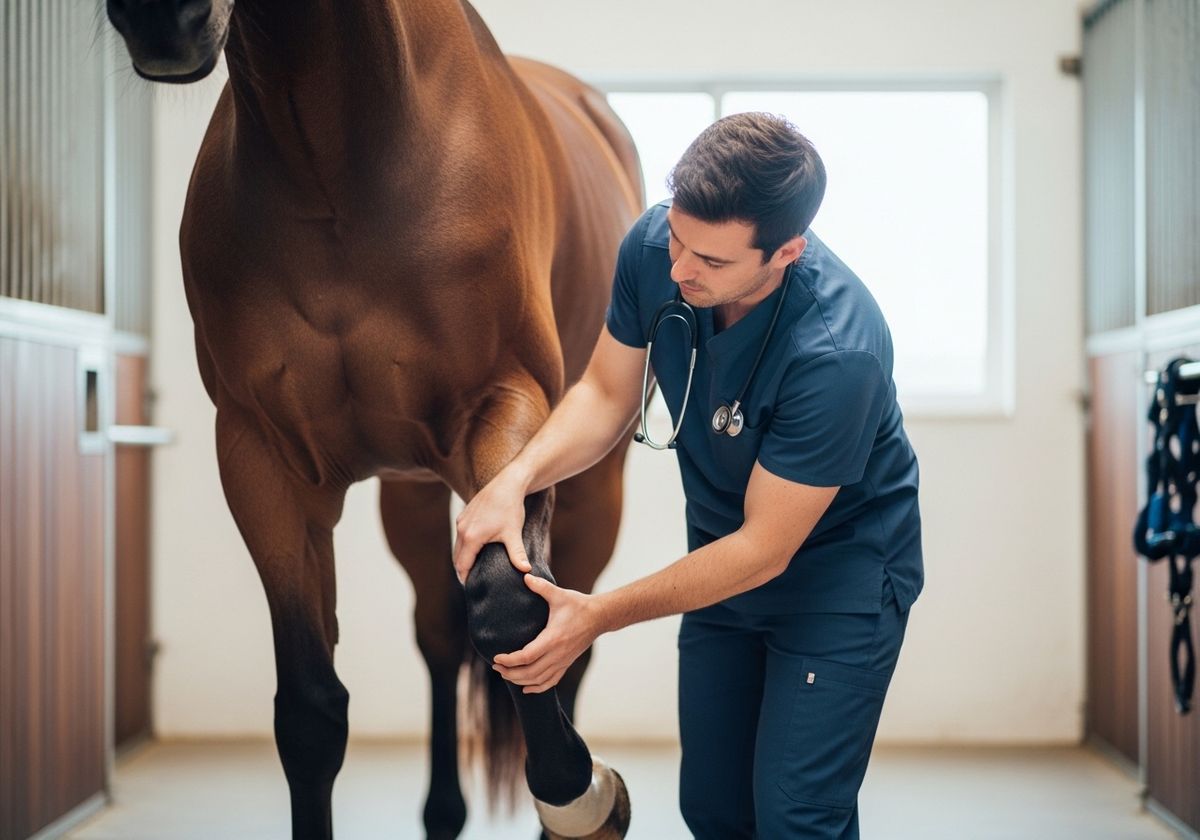
Recognizing and addressing lameness in horses early is crucial for their long-term health and well-being. A comprehensive equine lameness exam is the first step in identifying the underlying cause of discomfort and developing an effective treatment plan. As your dedicated Lowcountry livestock vet, Carter Veterinary Services understands the importance of early diagnosis and intervention in managing equine lameness.
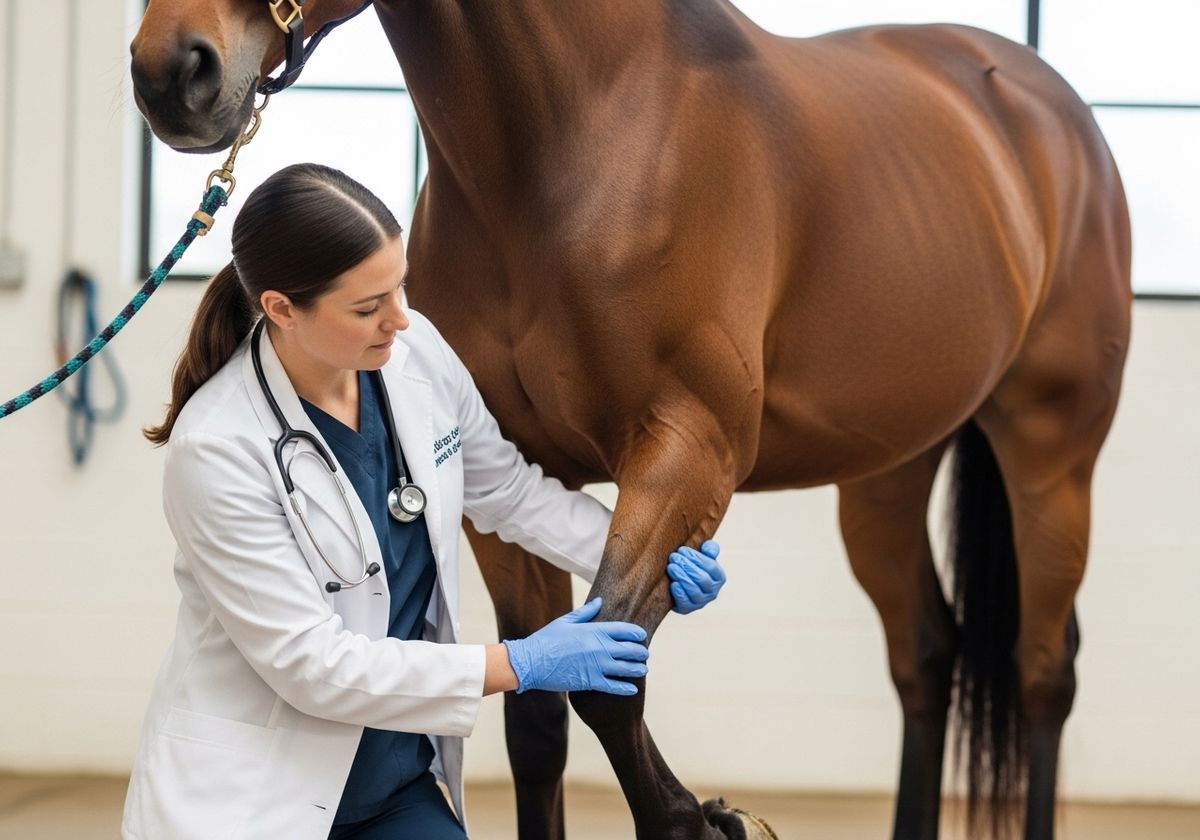
Why Early Diagnosis Matters
Early detection of lameness can prevent minor issues from escalating into chronic problems. Horses are athletes, and even subtle changes in their gait can indicate an underlying issue. Ignoring these signs can lead to compensatory issues, where the horse alters its movement to alleviate pain in one area, placing additional stress on other joints and muscles. This can create a cascade of problems, making treatment more complex and potentially limiting the horse's future performance.
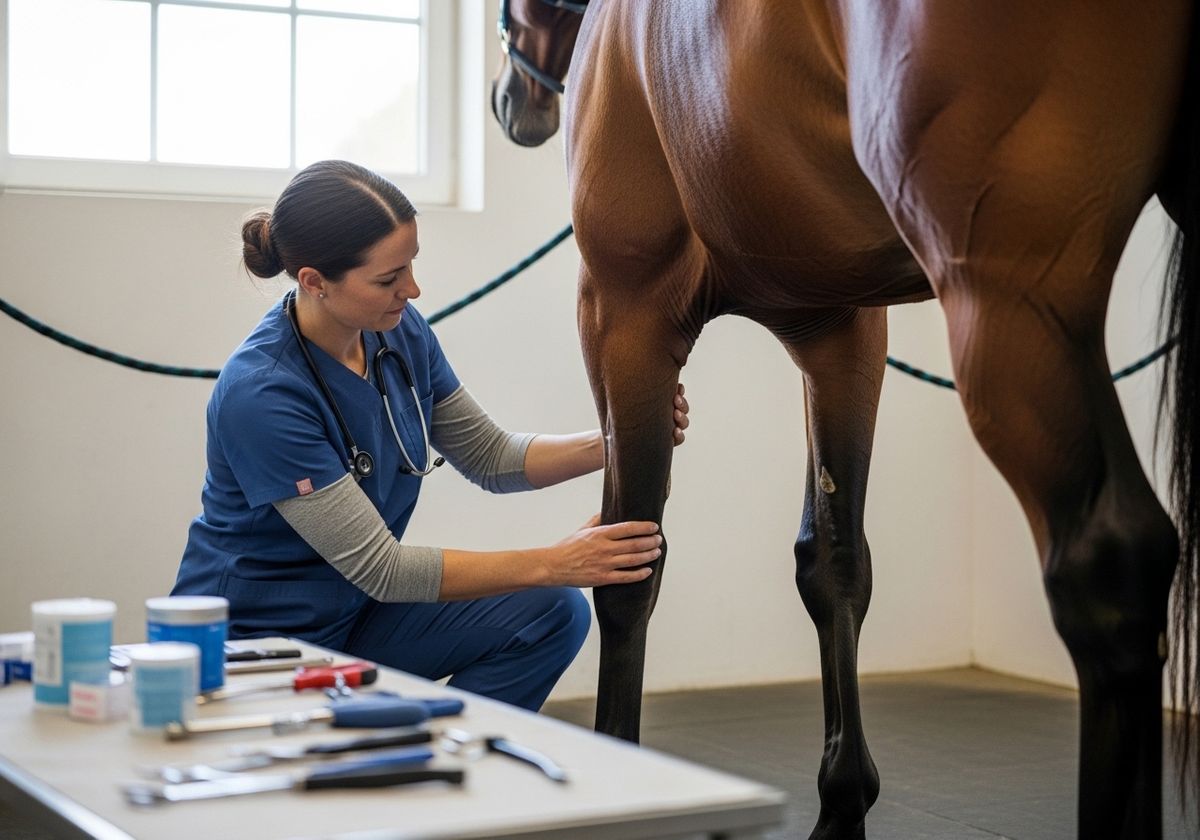
What to Expect During a Lameness Exam
A thorough lameness exam typically involves several key components:
History: Your equine vet in Savannah will start by gathering information about your horse's history, including its age, breed, discipline, and any previous injuries or health issues.
Visual Assessment: The vet will observe your horse at rest, noting its conformation, muscle development, and any obvious signs of asymmetry or swelling.
Palpation: The vet will palpate (feel) your horse's limbs, joints, and back to identify areas of pain, heat, or swelling.
Movement Evaluation: Your horse will be observed walking and trotting in a straight line, both on a hard and soft surface. The vet may also assess your horse's movement during lunging or riding.
Flexion Tests: Flexion tests involve holding a joint in a flexed position for a period of time and then immediately trotting the horse off to see if the lameness is exacerbated.
Diagnostic Imaging: Depending on the findings of the initial exam, diagnostic imaging such as X-rays, ultrasound, or MRI may be recommended to further evaluate the affected area.
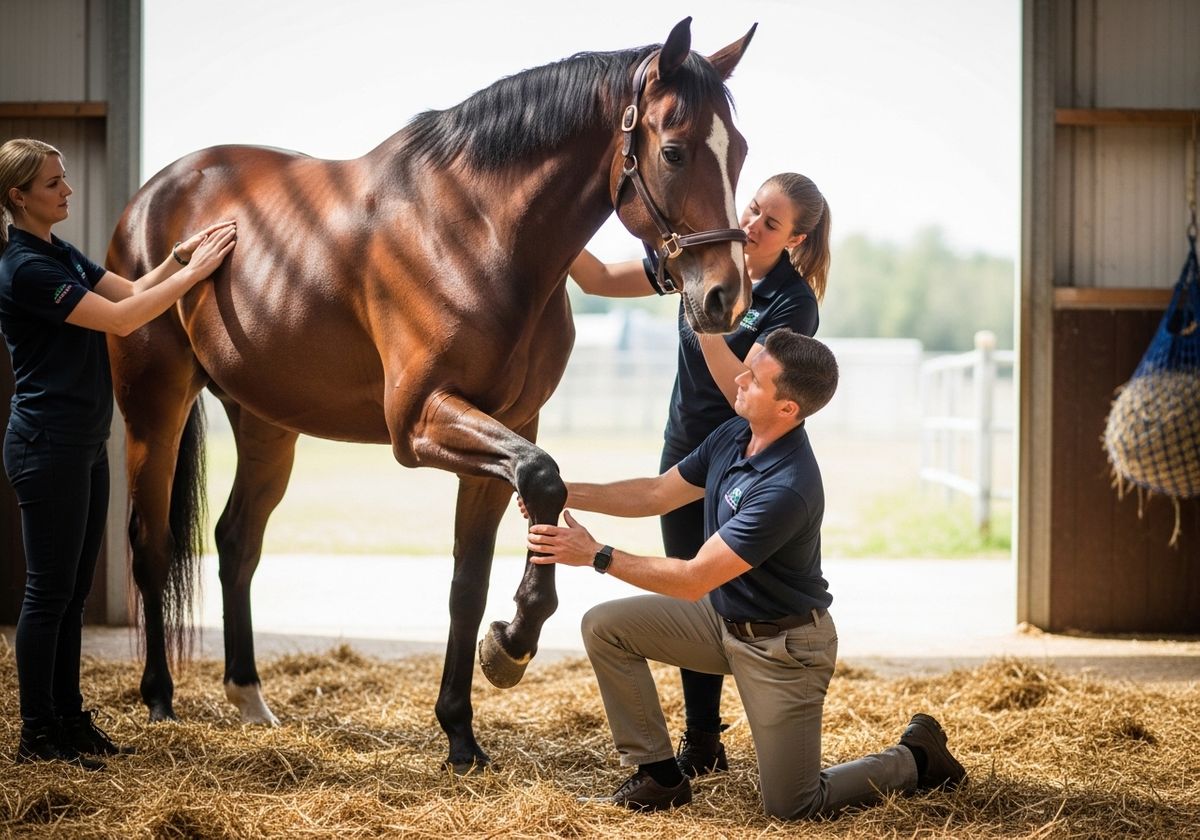
Addressing Equine Lameness
Once the cause of lameness has been identified, a tailored treatment plan can be developed. Treatment options may include:
Rest and controlled exercise
Medications (pain relievers, anti-inflammatories)
Joint injections
Physical therapy and rehabilitation
Surgery (in some cases)
Integrative therapies
Preventative Measures
While not all lameness can be prevented, there are steps you can take to minimize your horse's risk:
Maintain a healthy weight
Ensure proper hoof care and regular farrier visits
Provide appropriate conditioning for your horse's discipline
Warm up and cool-down your horse properly before and after exercise
Be observant and promptly address any signs of discomfort
Early diagnosis is key to effectively managing equine lameness and ensuring your horse's long-term soundness. As your large animal veterinarian, Carter Veterinary Services is committed to providing comprehensive lameness exams and tailored treatment plans to help your equine partner thrive. Contact us today to schedule a lameness exam or to learn more about our equine services. We are your resource for horse dental care, equine disease prevention, and overall wellness. Let Carter Veterinary Services be your partner in your animal's healthcare – because knowledgeable, experienced, and passionate care makes all the difference.