
Equine Gastric Ulcer Syndrome (EGUS) is a widespread and often debilitating condition affecting horses across all disciplines and ages, making it a significant concern for horse owners. Understanding the intricacies of EGUS – from its subtle indicators to its root causes and effective treatments – is paramount for safeguarding your equine companion's health and performance. At Carter Veterinary Services, we are committed to providing expert guidance and compassionate care to help your horse overcome such challenges. This post will explore the symptoms, underlying causes, and veterinary interventions available for EGUS.
Recognizing the Subtle and Overt Signs of EGUS
Identifying EGUS can be challenging as its symptoms vary widely and can often be mistaken for other conditions or general 'bad behavior.' Common signs may include a dull coat, weight loss, and recurrent bouts of mild colic, particularly after eating. Behaviorally, horses might exhibit irritability, reluctance to girth up, a sour attitude during training, or even an unwillingness to perform movements they previously mastered. Other indicators can be more specific, such as chronic diarrhea, teeth grinding (bruxism), excessive salivation, or a reduced appetite, especially for concentrates. Observing these changes, no matter how subtle, is the first critical step toward a diagnosis.
Unraveling the Multifaceted Causes of Gastric Ulcers
The development of EGUS is often attributed to a combination of physiological, environmental, and management factors. Physiologically, horses are designed to graze continuously, producing stomach acid constantly. When feeding patterns are inconsistent, or there's insufficient forage, stomach acid can damage the unprotected squamous lining of the stomach. High-starch diets, common in performance horses, can also increase stomach acidity. Environmental stressors such as intense training regimens, frequent travel, social hierarchy changes, or prolonged stall confinement can significantly contribute to ulcer formation. Certain medications, like non-steroidal anti-inflammatory drugs (NSAIDs), can also reduce the stomach's natural protective mechanisms, increasing ulcer risk.
Veterinary Diagnosis and Comprehensive Treatment Approaches
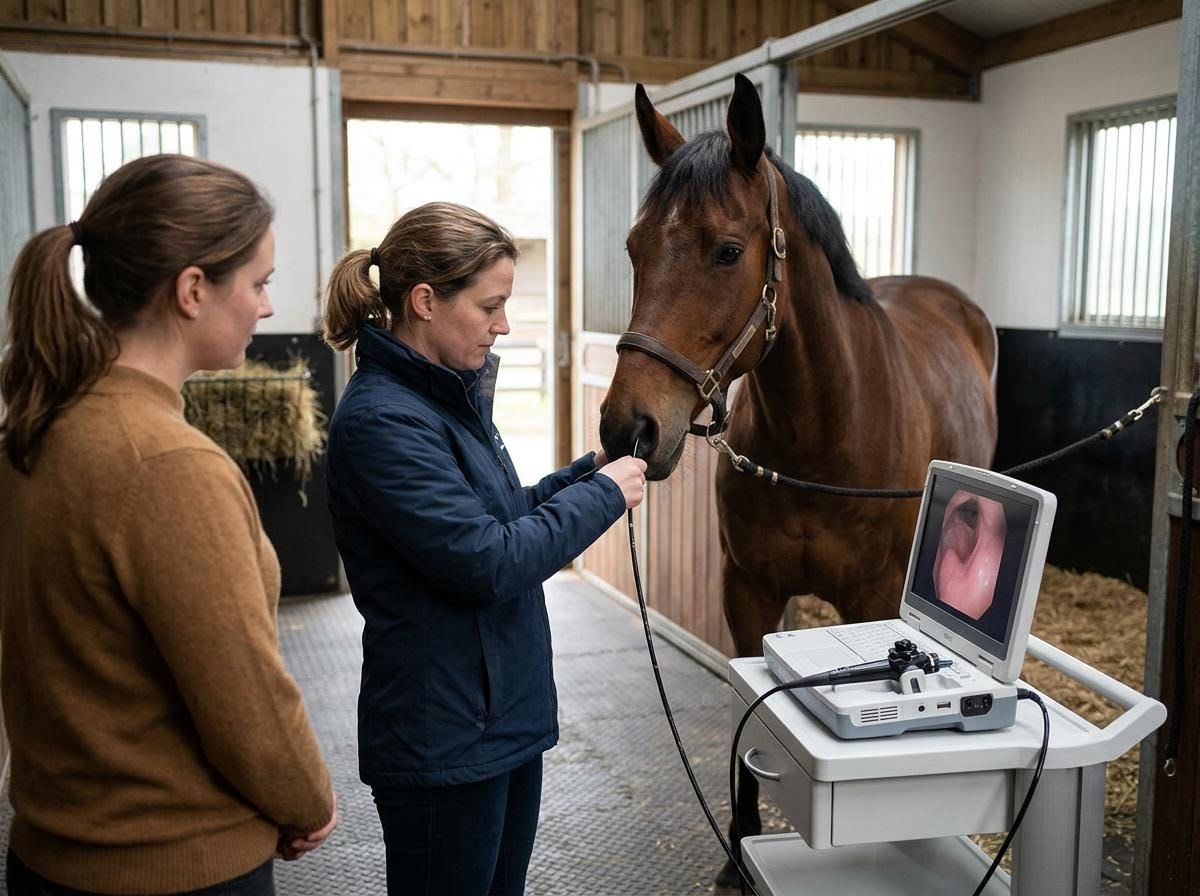
If EGUS is suspected, a definitive diagnosis is best made through gastroscopy, where a veterinarian uses an endoscope to directly visualize the stomach lining. This allows for accurate assessment of the presence, location, and severity of ulcers. Treatment typically involves a multi-pronged approach tailored to the individual horse. Medications such as proton pump inhibitors (e.g., omeprazole) are often prescribed to reduce stomach acid production, allowing ulcers to heal. Additionally, mucosal protectants may be used to create a barrier over the ulcers, and antacids can provide temporary relief. Beyond medication, management adjustments are crucial, including dietary modifications to increase forage, reduce concentrates, and ensure consistent feeding schedules, alongside strategies to minimize stress.
Supporting Your Horse's Digestive Wellness
Understanding Equine Gastric Ulcer Syndrome is essential for every horse owner, as timely intervention can significantly enhance a horse's comfort, performance, and overall quality of life. Recognizing the various symptoms, understanding the contributing risk factors, and partnering with a veterinary professional for accurate diagnosis and a comprehensive treatment plan are all vital steps in managing this prevalent condition. At Carter Veterinary Services, we are dedicated to supporting your horse's health through expert care, offering both advanced diagnostic capabilities and personalized treatment and preventative strategies. To learn more about maintaining optimal digestive health for your equine companion, please reach out to our veterinary team for a consultation.