
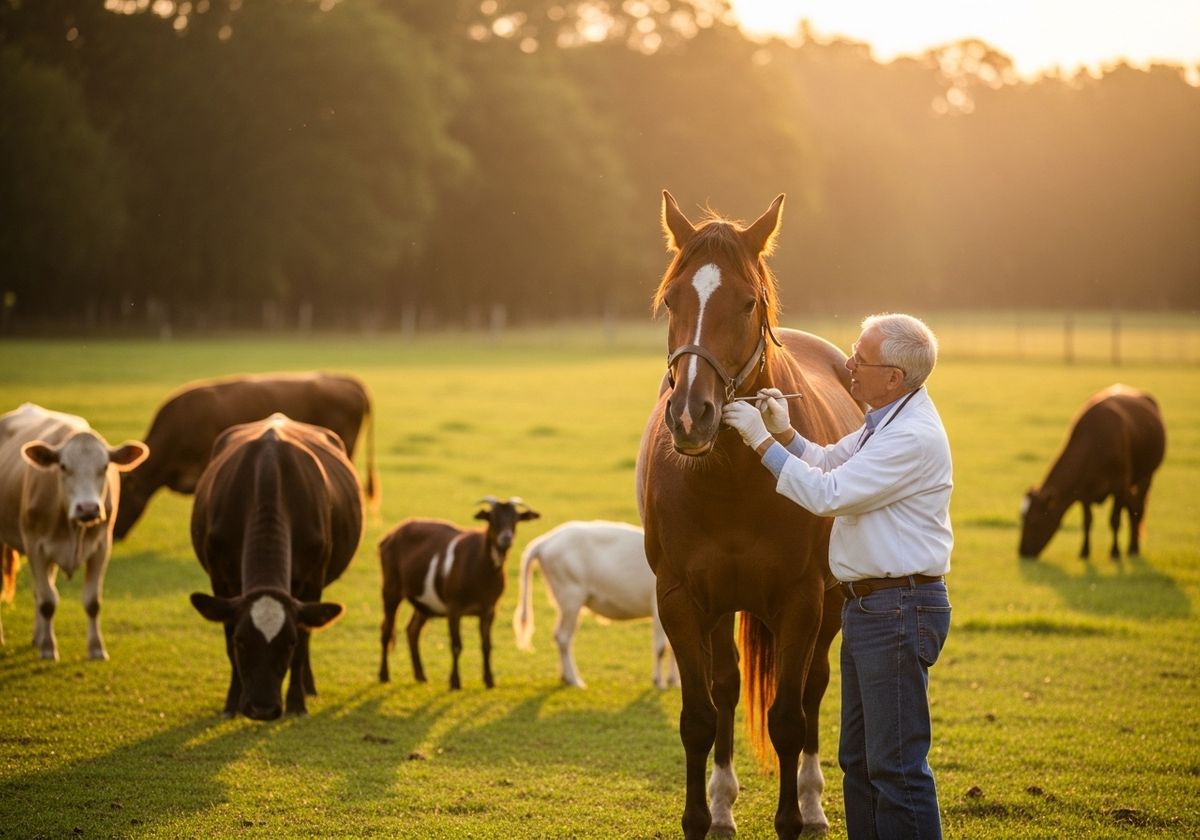
As our livestock age, their care requirements evolve. In South Carolina, where agriculture is a vital part of our heritage, understanding the specific needs of aging animals is crucial for their well-being and continued productivity. Proper management and attention can significantly enhance their quality of life, ensuring they remain comfortable and healthy in their golden years.
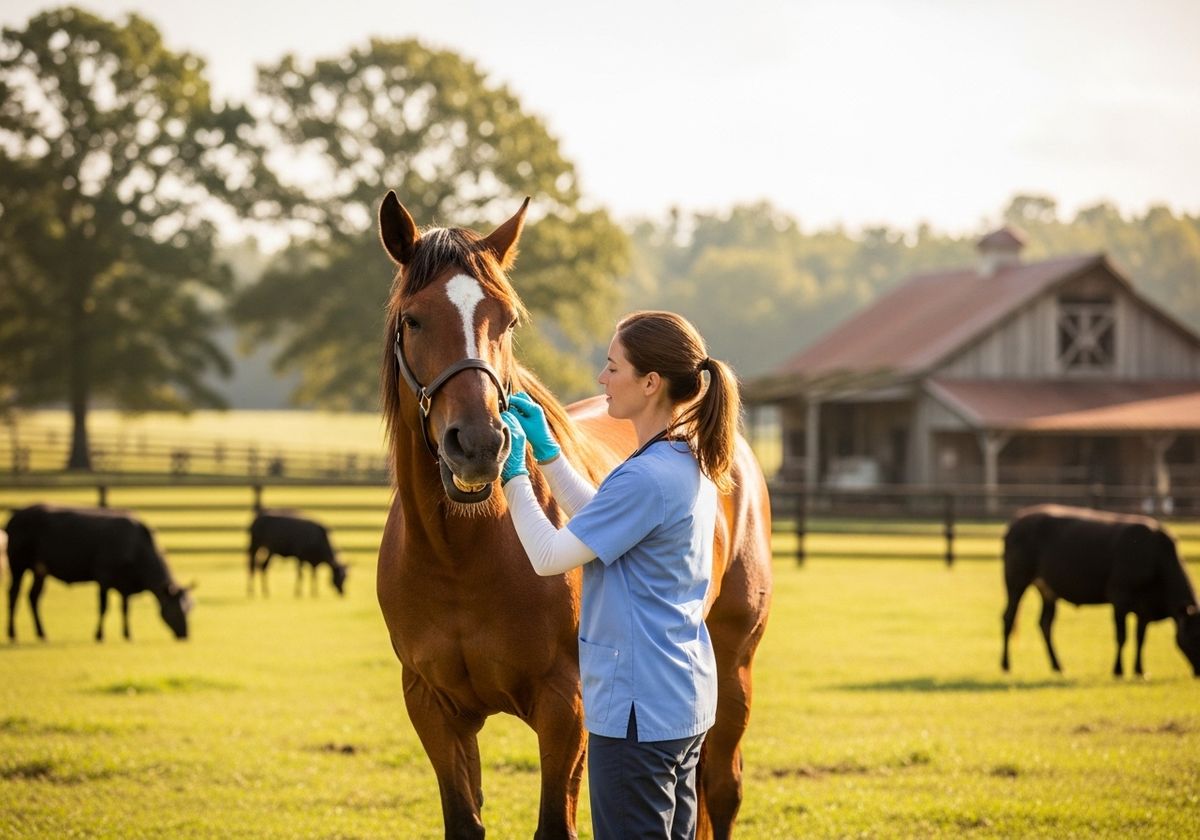
Understanding the Needs of Senior Livestock
Older animals often experience a decline in physical condition, making them more susceptible to various health issues. Key considerations include:
Nutritional Adjustments: Older animals may have difficulty digesting food and absorbing nutrients. A diet tailored to their age and condition is essential, often requiring softer feeds or supplements to maintain a healthy weight and energy level.
Joint and Mobility Support: Arthritis and other joint problems are common in older livestock. Providing comfortable bedding, minimizing stress on joints, and considering veterinary-recommended treatments can alleviate discomfort.
Dental Care: Proper dental care is crucial. Aging animals may develop dental issues that affect their ability to chew and digest food properly. Regular check-ups by an equine vet in Savannah and appropriate dental care are vital.
Disease Prevention: Older animals have weakened immune systems, making them more vulnerable to disease. Implementing a robust equine disease prevention program, including vaccinations and parasite control, is essential.
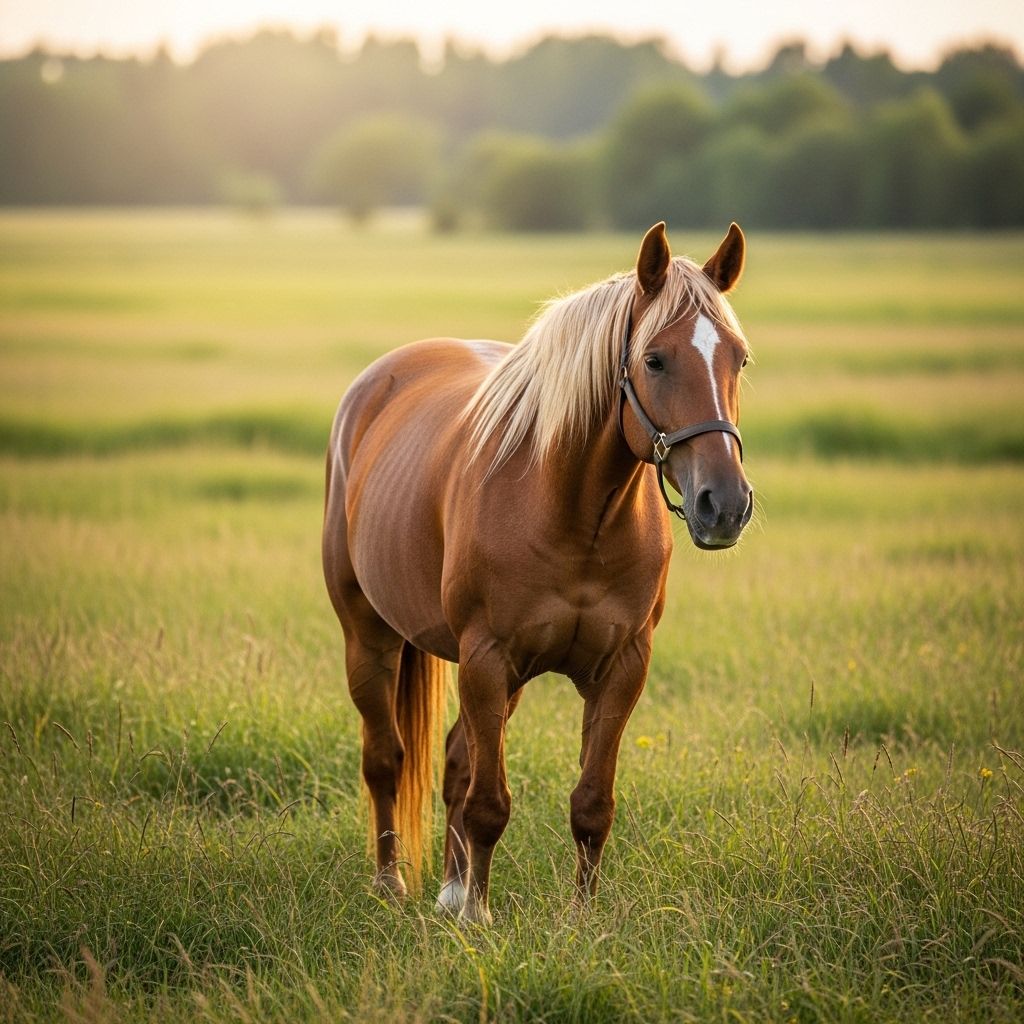
Common Health Challenges in Senior Livestock
Several health conditions are more prevalent in older livestock, requiring careful monitoring and prompt veterinary attention:
Arthritis: Joint inflammation can cause pain and stiffness, limiting mobility. Management strategies include anti-inflammatory medications, joint supplements, and physical therapy.
Dental Problems: Tooth loss, decay, and other dental issues can lead to difficulty eating and weight loss. Regular dental exams and appropriate treatment are crucial.
Metabolic Disorders: Conditions like Cushing's disease and insulin resistance can affect older animals, requiring careful management and dietary adjustments.
Respiratory Issues: Older animals may be more susceptible to respiratory infections and chronic lung conditions. Maintaining good air quality and providing appropriate treatment are essential.
Preventative Care Strategies
Proactive care is key to maintaining the health and well-being of aging livestock. Consider these strategies:
Regular Veterinary Check-ups: Routine exams by a large animal veterinarian can help detect and address health issues early on.
Vaccination and Parasite Control: Maintaining a consistent vaccination and deworming schedule is crucial for preventing disease.
Proper Nutrition: Providing a balanced diet tailored to the animal's age and condition is essential for overall health.
Comfortable Living Conditions: Ensuring adequate shelter, comfortable bedding, and protection from extreme weather can significantly improve their quality of life.
Veterinary Services in South Carolina
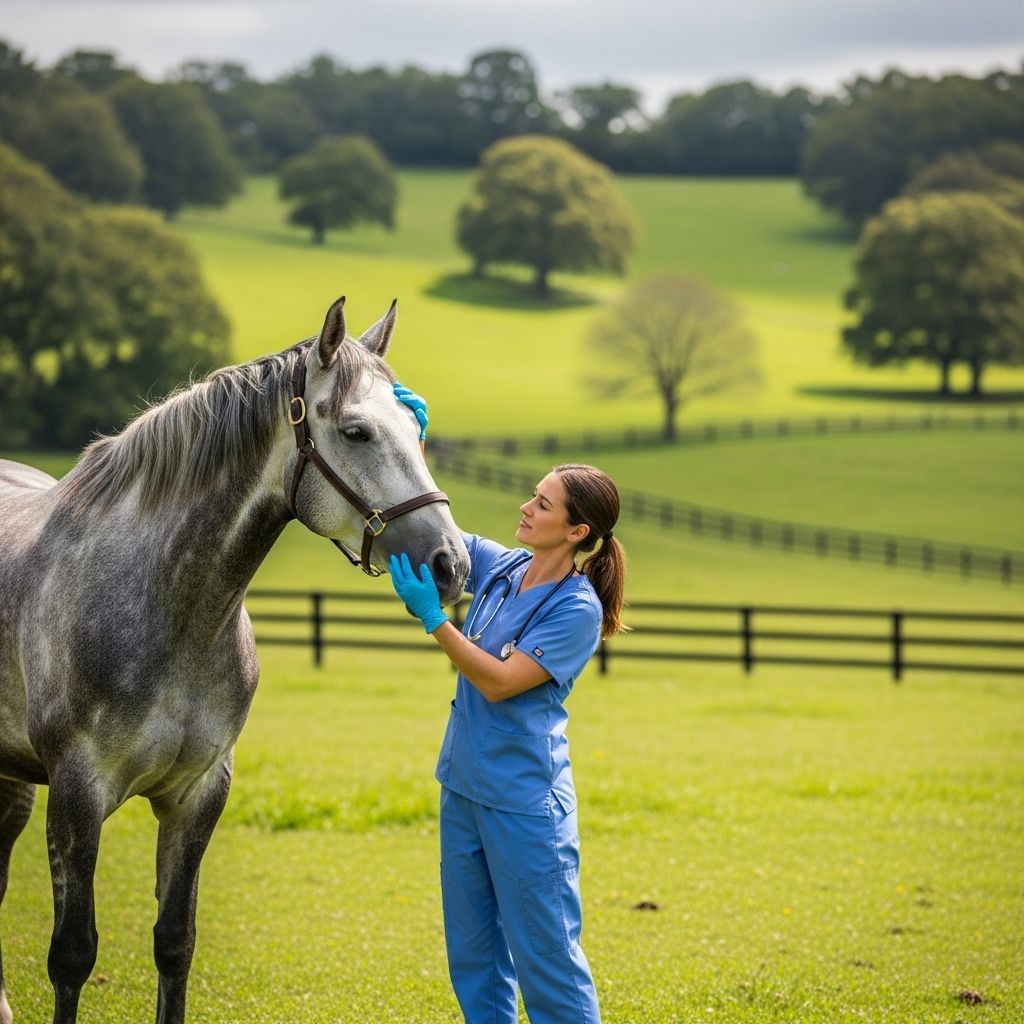
In South Carolina, access to quality veterinary care is essential for the well-being of aging livestock. Working with a knowledgeable and experienced veterinarian ensures that your animals receive the best possible care, tailored to their individual needs. From routine check-ups to advanced diagnostics and treatment, veterinary services play a vital role in maintaining the health and comfort of senior animals. For Lowcountry livestock vet services, it is important to find a provider familiar with the regional challenges and needs.
Caring for aging livestock requires a proactive and compassionate approach. By understanding their needs, addressing common health challenges, and implementing preventative care strategies, we can ensure they live out their golden years in comfort and with dignity. At Carter Veterinary Services, we're committed to providing exceptional care for your aging animals. Contact us today to learn more about our services and how we can help you provide the best possible care for your beloved companions.