At Carter Veterinary Services, we know that some aspects of horse ownership are more glamorous than others. Sheath cleaning is certainly one of the less appealing tasks, but from our perspective as equine health professionals, it's an absolutely essential part of your horse's overall well-being. Neglecting this area can lead to significant discomfort and even serious health issues for your gelding or stallion. We're here to help you understand why this procedure matters and how to approach it.
The Essential Guide to Equine Sheath Cleaning: Why It Matters and How to Help
The Essential Guide to Equine Sheath Cleaning: Why It Matters and How to Help
Understanding the 'Why' Behind Sheath Cleaning
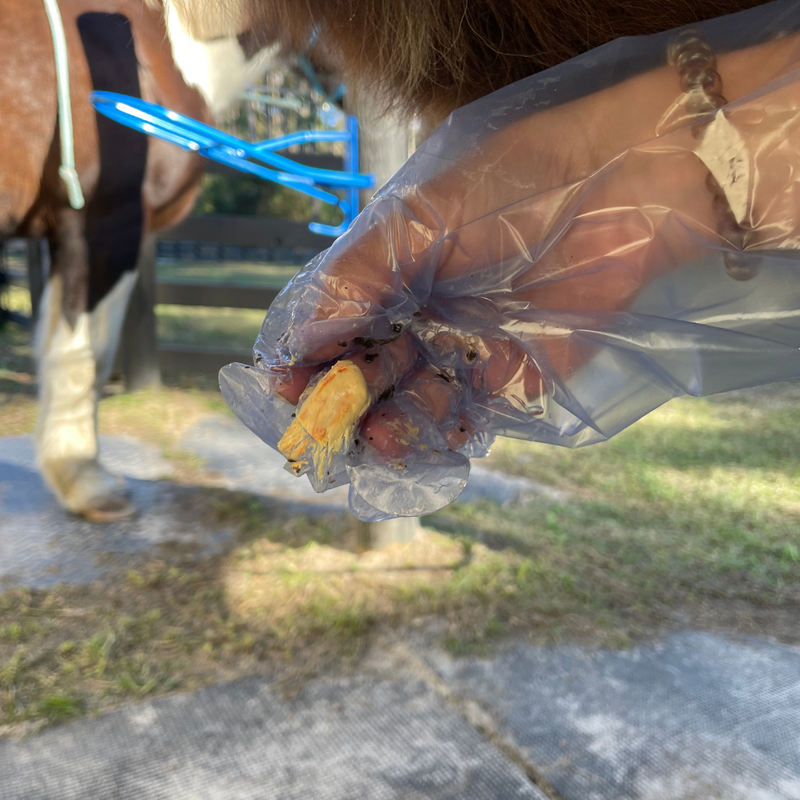
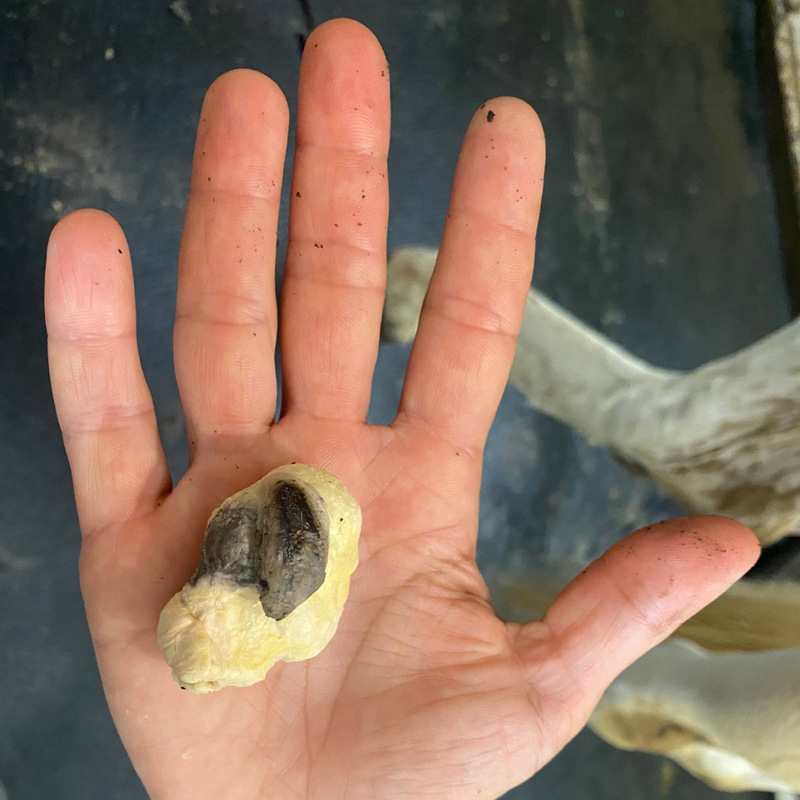
The sheath is a pocket of skin that protects the horse's penis. Over time, a waxy substance called smegma, along with dirt and debris, naturally builds up inside. If not regularly removed, this accumulation can form hard "beans" in the urethral fossa at the tip of the penis. In our experience, these beans can become large enough to interfere with urination, causing pain and potentially leading to infections or even kidney problems. Regular cleaning is not just about hygiene; it's a preventative health measure.

Recognizing the Signs of Trouble
As an owner, you are your horse's first line of defense. We always advise our clients to watch for subtle changes in behavior that might indicate sheath irritation. Common signs include excessive tail rubbing against fences or walls, a reluctance to urinate or straining while doing so, and swelling in the sheath area. You might also notice a foul odor. If you see any of these symptoms, it's time to investigate further.
The Role of Regular Maintenance
How often your horse needs a sheath cleaning can vary depending on the individual. Some horses are naturally cleaner than others. However, as a general rule of thumb, we recommend checking the sheath area at least every six months to a year. Incorporating a quick visual check into your regular grooming routine can help you catch any buildup early. For many owners, this is a task they prefer to leave to a professional, which is a perfectly valid choice.

When to Call a Professional
There are several advantages to having an equine vet perform a sheath cleaning. Many horses find the process uncomfortable and may require light sedation, which only a vet can administer. This ensures the horse's safety and allows for a much more thorough cleaning, including the removal of any "beans." A vet can also use this opportunity to check for other potential issues, such as tumors or lesions, that might otherwise go unnoticed.
Partnering for Your Horse's Health
While it may not be the most pleasant task, regular sheath cleaning is a vital component of proactive horse care. By understanding the signs of trouble and maintaining a regular schedule, you can prevent discomfort and potential health problems for your horse. Our team at Carter Veterinary Services has extensive experience with this and all other aspects of equine health. We are happy to perform sheath cleanings as part of our routine equine veterinary services. If you have any questions or would like to schedule an appointment, please don't hesitate to reach out.