
At Carter Veterinary Services, we understand that kidding and lambing season is often the most anticipated — and stressful — time of year for producers. The outcome of this season lays the foundation for your entire year's success. True preparation goes beyond just stocking your supply shelf; it involves proactively managing the health of your dams to ensure they are robust enough to deliver and nurture healthy offspring. Drawing on our extensive experience as large animal vets, we have outlined the essential steps to get your herd ready.
Preparing Your Goats and Sheep for Kidding Season
Preparing Your Goats and Sheep for Kidding Season
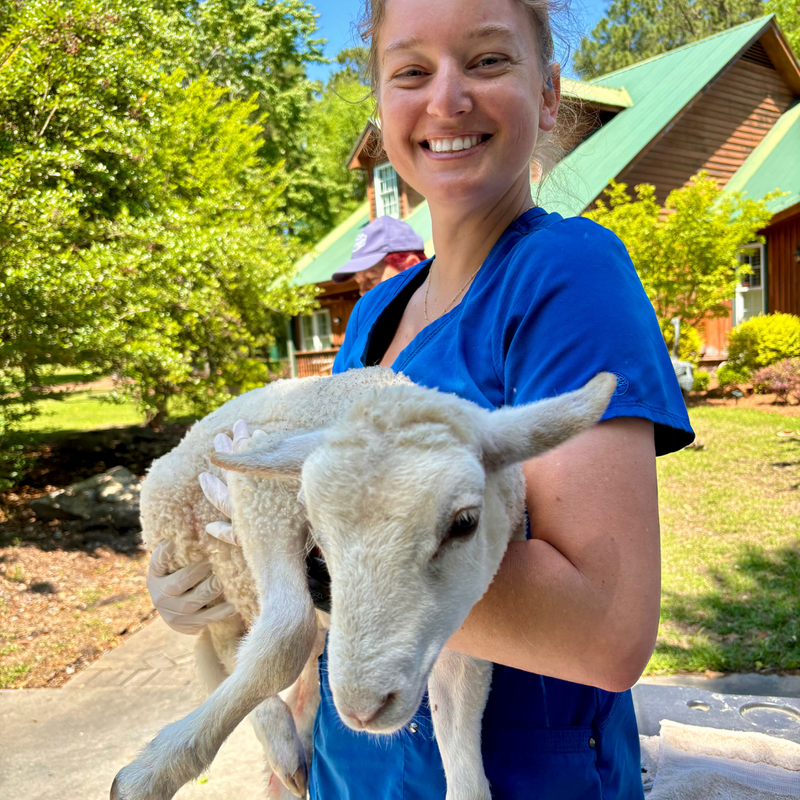
Nutritional Needs for Expecting Dams
In the last four to six weeks of pregnancy, 70% of fetal growth occurs, drastically increasing the dam's energy and protein requirements. We see too many cases of pregnancy toxemia (ketosis) caused by inadequate nutrition during this critical period. It is vital to slowly increase the nutrient density of their diet, often by introducing grain or a higher-quality hay. Monitoring body condition scores is key; you want them in good flesh, but not overly obese, as this can cause birthing difficulties.
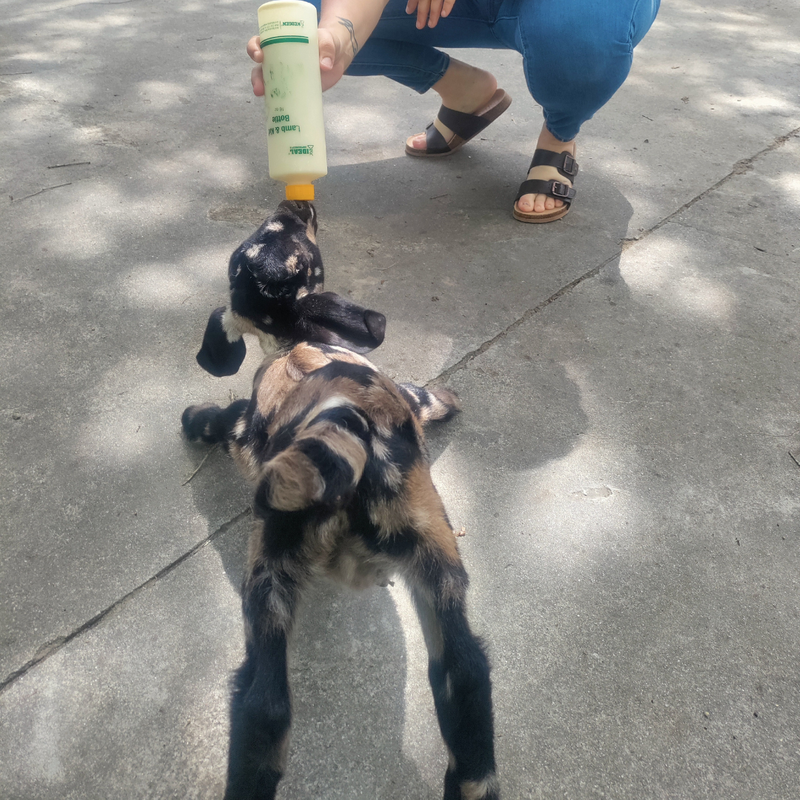
Creating a Clean, Safe Kidding Environment
Hygiene is paramount. A dirty environment is a breeding ground for bacteria that can cause navel ill, joint ill, and scours in newborns. We recommend having dedicated "jugs" or kidding pens that are draft-free, dry, and heavily bedded with fresh straw. Prior to the season, clean and disinfect the area thoroughly. Having your kidding kit ready — with iodine for navels, clean towels, and a heat lamp — will save you precious time when a delivery starts.
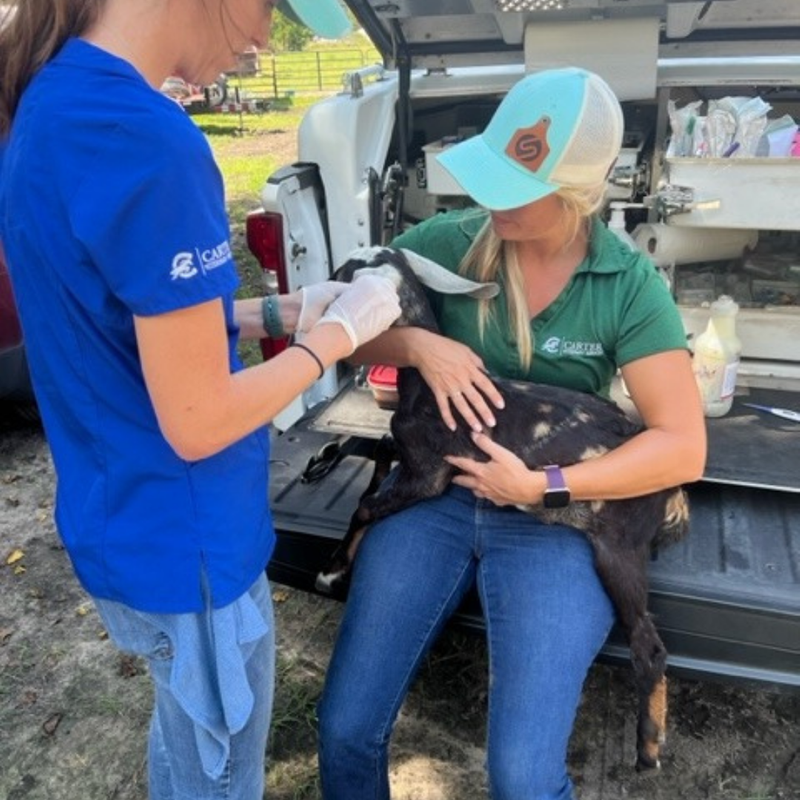
Essential Health Checks and Vaccinations
Don't skip pre-kidding health maintenance. Deworming is often necessary due to the peri-parturient egg rise, a temporary loss of immunity to parasites around birthing. Most importantly, we strongly advise vaccinating dams with CD&T (Clostridium perfringens types C & D and Tetanus) about 4 weeks before their due date. This provides passive immunity to the kids and lambs through the colostrum, protecting them during their most vulnerable first weeks of life.
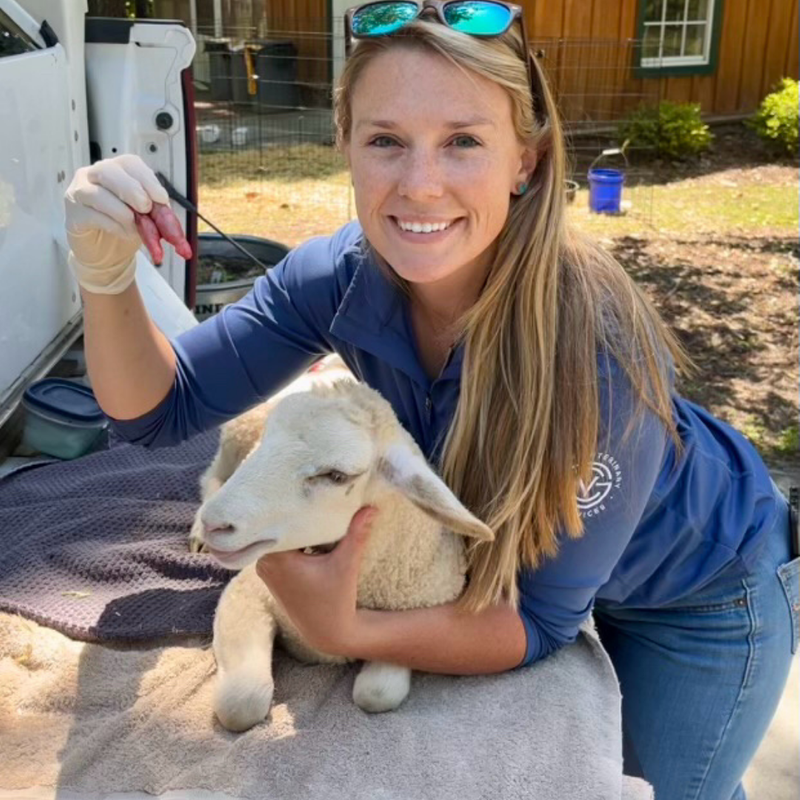
Recognizing the Signs of Labor
Knowing what's normal is the best way to identify what's not. In the days leading up to birth, you'll see the udder fill ("bagging up") and the vulva swell. Early labor (Stage 1) involves restlessness, pawing at bedding, and nesting behavior, which can last for hours. Stage 2 is active labor, where you'll see abdominal contractions and the water bag appear. If a dam has been actively pushing for 30-45 minutes without progress, or if you see malpresentation (like only a tail), it's time to intervene or call for professional help.
Setting Your Herd Up for Success
By focusing on nutrition, a clean environment, preventative health measures, and knowing the signs of labor, you can significantly improve the outcomes of your kidding season. Carter Veterinary Services is here to support you every step of the way, from pre-kidding consultations to emergency services. Let's work together to make this a successful and productive season for your herd.