
As the beautiful spring weather arrives in Southeast Georgia and South Carolina, it unfortunately brings a wave of environmental allergens that can quickly challenge your horse's health. At Carter Veterinary Services, we want to remind local owners that respiratory distress in horses is never normal and should always be addressed promptly. Our beloved equine companions are especially prone to intense allergies and equine asthma during this specific time of year. Understanding the environmental triggers and knowing exactly what to watch for can make a massive difference in your horse's comfort and performance throughout the spring.
Addressing Equine Respiratory Distress This Spring
Addressing Equine Respiratory Distress This Spring
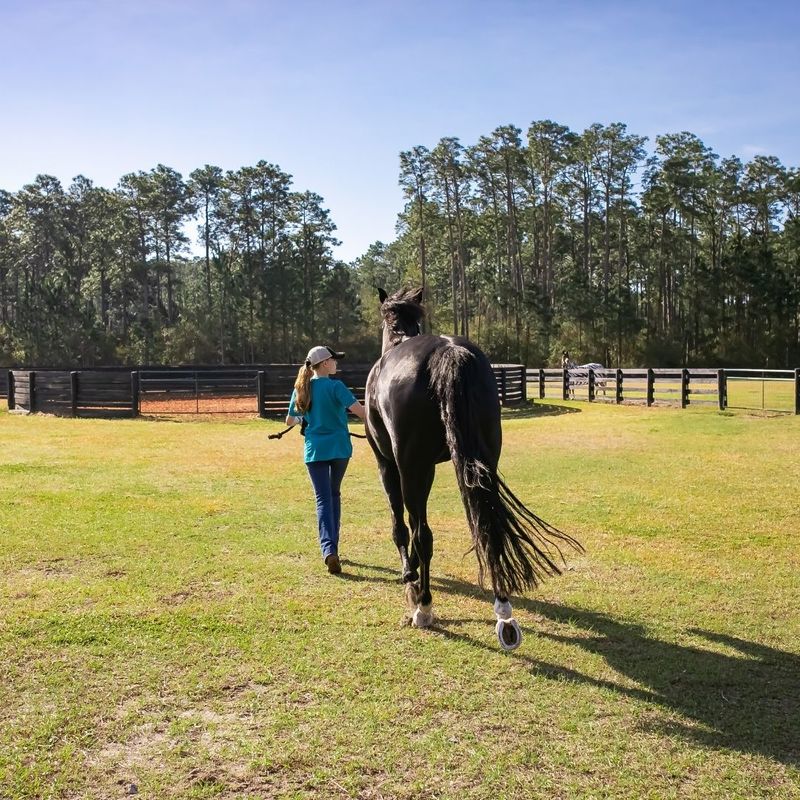
Pollen from Spring Grasses and Trees
The Lowcountry spring is famous for its incredibly heavy pollen counts, which act as a major irritant for sensitive horses. As local grasses and native trees begin to bloom, inhaling these microscopic particles can trigger severe allergic reactions and deep inflammation in the airways. If your horse seems to struggle more on high-pollen days, it is a strong indicator that seasonal environmental allergies are at play.
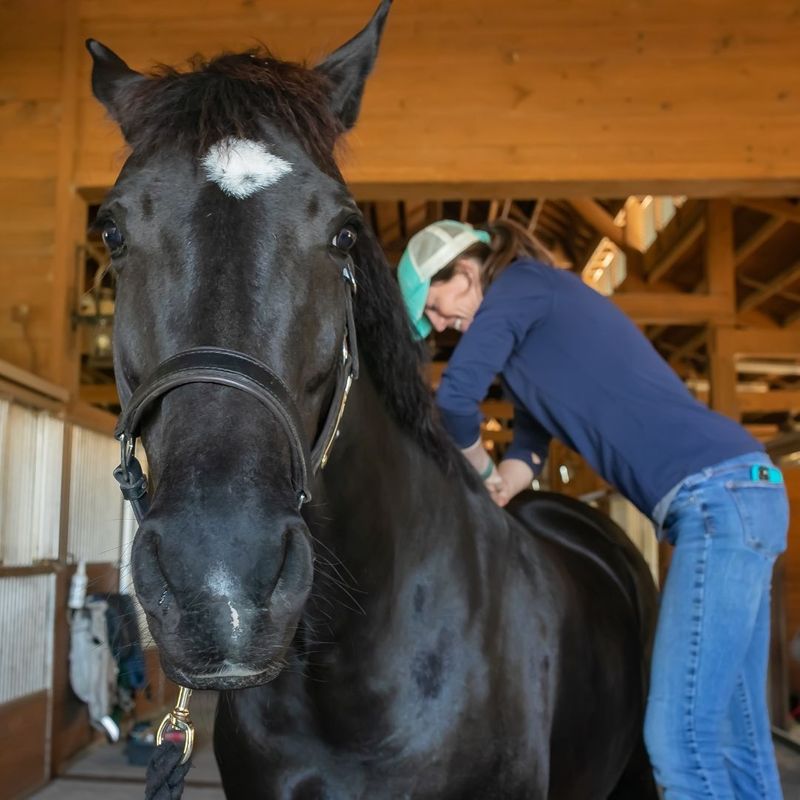
The Hidden Danger of Dusty Hay and Bedding
Even within the safety of the stable, your horse can be exposed to significant breathing triggers. Dusty hay or dry bedding releases fine particulate matter and hidden mold spores directly into the air, which can quickly exacerbate respiratory distress when inhaled daily. Ensuring excellent barn ventilation and regularly soaking or steaming your hay can drastically reduce these indoor allergens and promote much healthier breathing.
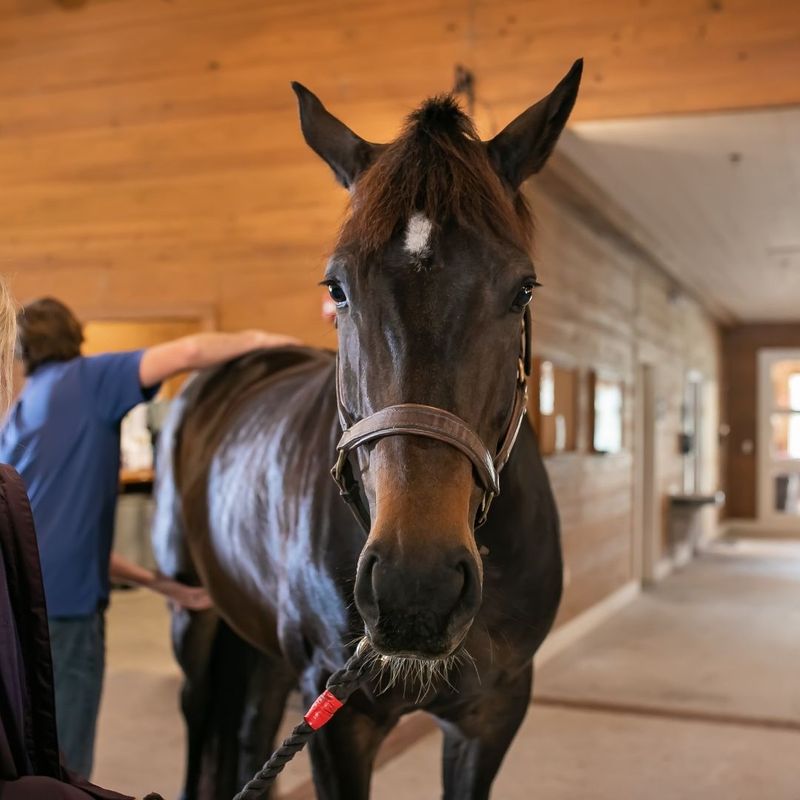
Humid Conditions and Airway Inflammation
Our classic Southern humidity doesn't just make the afternoon air feel heavy; it can actually worsen existing breathing issues. High humidity physically traps allergens closer to the ground and promotes the rapid growth of mold and mildew, creating an environment that easily triggers chronic airway inflammation. Managing your horse's turnout and stable environment during these sticky, damp periods is crucial for their long-term health.
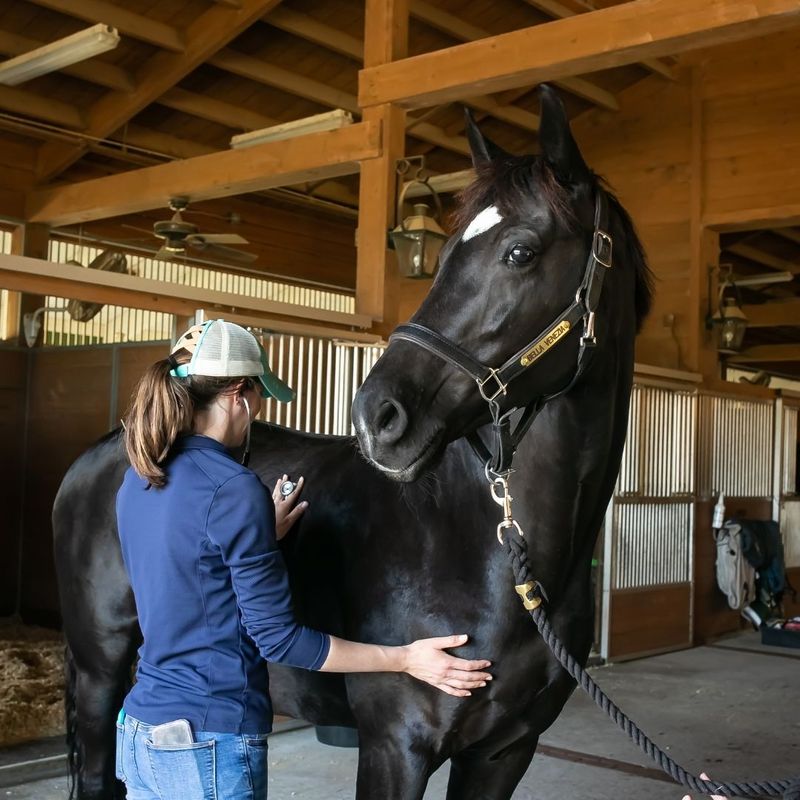
Recognizing the Early Warning Signs
Early detection is your absolute best tool for managing these complex seasonal challenges effectively. Watch closely for frequent coughing, noticeable nasal discharge, sudden exercise intolerance, or any signs of labored breathing. If you notice any of these symptoms, it is essential to act quickly. Proper management—including environmental adjustments, expert veterinary care, and targeted daily medication—can quickly restore your horse's comfort.
If your horse is showing any warning signs of respiratory distress this season, do not ignore the symptoms or wait for them to pass. Early, proactive intervention helps your horse breathe easily and enjoy the spring weather safely alongside you. Contact Carter Veterinary Services today for a complete respiratory evaluation, and let our dedicated veterinary team develop a customized care plan!